








Shopping for a seat cushion usually starts the same way: a product photo, a few bold claims about comfort, and a five-star rating. What you rarely see is any mention of what happens after the cushion arrives — how your body actually adjusts to it, what it can’t do for you, and where the limits of “comfort” really are.
That’s not because sellers are hiding a defect. It’s because none of it sells as well as “instant relief.” A cushion that requires a few days to feel right, or one that’s honest about needing you to still get up and move, doesn’t make for a punchy product photo.
So here are five things about seat cushions that rarely make it into a sales pitch — not because they’re secret, but because they slow down the sale.
1. A Cushion Isn’t a Substitute for Movement

It’s tempting to think that once you’ve added the right cushion, the problem of sitting is solved. But no cushion, no matter how well-designed, changes the fact that your body isn’t built to stay in one position for hours on end. Research from Columbia University has found that breaking up sitting time with just a few minutes of movement roughly every 30 minutes meaningfully reduces the strain that comes with prolonged sitting — something a cushion alone can’t do, no matter how supportive it is.
That’s not a detail most product listings mention, for an obvious reason: “add a short walk to your routine” doesn’t sell as well as “sit in comfort all day.” A good cushion reduces pressure and improves posture while you’re seated — but it works best as one part of a routine that still includes standing up, stretching, and shifting position throughout the day.
2. An Ergonomic Cushion Isn’t a Medical Device

Words like “ergonomic,” “orthopedic,” and “therapeutic” show up on seat cushion listings constantly, and it’s easy to read them as a stamp of medical approval. They aren’t. A seat cushion is a comfort and support product, not a certified treatment for a diagnosed condition — the same way a supportive mattress or a good office chair isn’t a medical device, even though both can genuinely help how you feel.
For most people dealing with everyday stiffness or fatigue from sitting, that distinction doesn’t matter much day to day. But if you’re managing a diagnosed condition — post-surgical recovery, chronic pain, a spinal issue, or anything similar — a cushion should be something you use alongside your doctor’s guidance, not instead of it. Sellers rarely spell this out, mostly because “talk to your doctor first” isn’t the kind of line that moves a sale — but it’s the more honest way to set expectations before you buy.
3. Your Body Needs Time to Adjust to a New Sitting Position
When a new cushion changes how your weight is distributed and how you sit, your body doesn’t adapt instantly. Muscles, joints, and posture habits that have settled into one pattern over months or years take a little time to recalibrate to a new one — so it’s common to notice a slightly unfamiliar feeling, or even mild new soreness, during the first few days of use. This adjustment period is a normal part of changing how you sit, not a sign that the cushion is wrong for you.
Sellers rarely mention this because it complicates the “instant comfort” promise most listings lean on. But a cushion that’s actually doing its job — correcting posture, taking pressure off the tailbone, encouraging better alignment — is by definition changing something your body has grown used to, even if that old habit wasn’t a healthy one. Give it a week or two of regular use before deciding whether it’s working, rather than judging it after a single sitting.
4. No Cushion Can Fix Poor Sitting Habits on Its Own
A cushion can support better posture, but it can’t override the choices you make while sitting on it. Habits like sitting cross-legged, leaning heavily to one side, perching on the edge of the seat, or slouching forward toward a screen will undercut even the best-designed cushion. The cushion creates the conditions for good posture — it doesn’t enforce it.
This is another detail that rarely makes it into a sales pitch, since “results depend partly on how you sit” is a harder sell than “instant relief.” In practice, a cushion works best when it’s paired with basic postural awareness: feet flat, weight centered, back supported. Without that, even a well-designed cushion is just cushioning a bad habit rather than correcting it.
5. Back Pain Relief From a Cushion Has Realistic Limits
Back pain is rarely caused by one thing. It’s usually a mix of posture, muscle strength, activity level, sleep quality, and sometimes an underlying condition — which means no single product, cushion included, is going to resolve it on its own. A good seat cushion can meaningfully reduce pressure and improve alignment while you sit, but it addresses one contributing factor, not the whole picture.
This is probably the least surprising thing on this list once it’s said out loud — but it’s also the detail marketing language works hardest to blur, since “one factor among several” doesn’t sell as well as “the solution to your back pain.” A cushion is a genuinely useful tool for anyone who sits for long stretches. Treating it as part of a broader approach — one that might also include movement, stretching, and attention to overall posture — is what makes it actually effective, rather than expecting it to do more than any single product reasonably can.
The Bottom Line
None of the five things above are secrets in the dramatic sense — they’re just details that rarely make it into a product photo or a sales pitch, because they complicate the promise of instant comfort. A good seat cushion genuinely helps: it redistributes pressure, supports better posture, and makes long hours of sitting more bearable. But it works best when you go in with realistic expectations — knowing it’s one part of a routine, not a fix for everything at once.
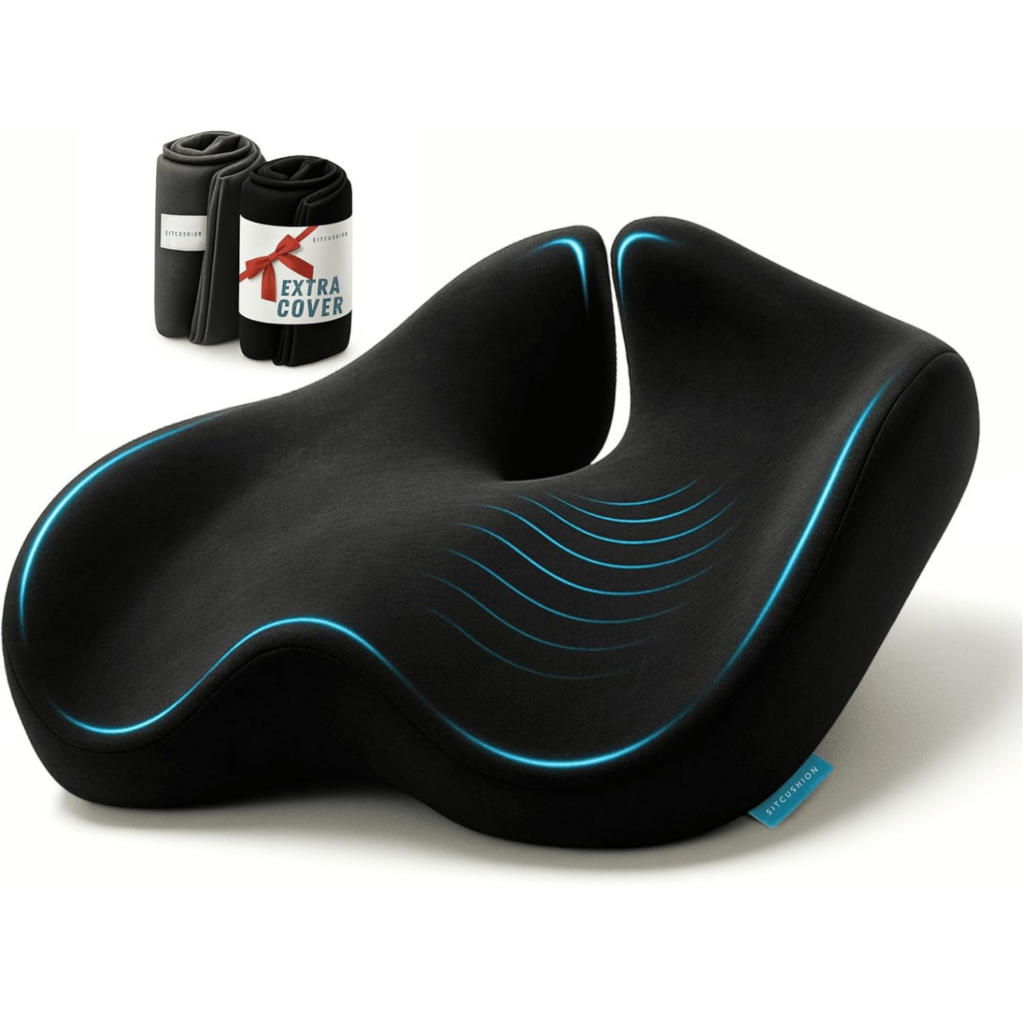
If you’re ready to look for a cushion with that in mind, our seat cushion lineup is built around the same principles covered in this article — proper cutout design, supportive memory foam, and sizing meant for long, everyday use. Every cushion comes with a lifetime money-back guarantee, so there’s no risk in trying one to see how it works for you.
For more on getting the most out of your cushion once you have one, our Knowledge Center has practical tips on setup and everyday use.
Frequently Asked Questions
Do seat cushions actually work?
For many people, yes — though results vary by the cause of the pain. A randomized controlled trial on occupational drivers with chronic low back pain found that a supportive seat cushion produced measurable improvement in pain scores and disability measures compared to a standard flat cushion. Seat cushions tend to help most with pressure-related discomfort — tailbone pain, hip pressure, and posture-related stiffness from prolonged sitting. They’re not guaranteed to resolve pain with other underlying causes, which is part of why realistic expectations matter (see point 5 above).
How long does it take to get used to a new seat cushion?
Most people notice the cushion feeling normal within one to two weeks of regular use. During that window, the foam is settling into its shape and your body is adjusting to a new sitting position — both of which take a few days to a couple of weeks, similar to breaking in a new mattress or supportive shoe. If something still feels distinctly wrong after two full weeks of consistent use, that’s a better signal to reassess than judging it after the first sitting.
Can a seat cushion fix bad posture on its own?
No — it supports better posture, but it can’t enforce it. A cushion creates the right conditions (pressure relief, pelvic alignment, a cutout that keeps weight off the tailbone), but habits like leaning to one side, sitting on the edge of the seat, or slouching toward a screen will still work against it. The cushion and basic postural awareness work together; neither does the job alone.
Is it safe to use a seat cushion all day, every day?
Generally yes, but it’s not a substitute for movement. Even with a supportive cushion, staying in one position for hours still limits circulation and puts sustained load on the same muscles and joints. The most effective approach is using the cushion continuously while still standing or shifting position roughly every 30 to 60 minutes — which research on prolonged sitting has linked to meaningfully lower strain from sedentary time.
Can I use a seat cushion if I have a medical condition like sciatica or a herniated disc?
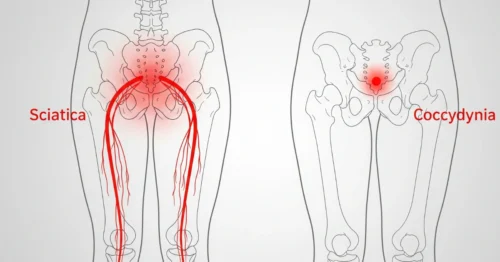
Many people with these conditions do use seat cushions, and some report meaningful relief from reduced pressure on the affected area. That said, a seat cushion is a comfort and support product, not a treatment for a diagnosed condition — so if you have sciatica, a herniated disc, or a similar diagnosis, it’s worth using a cushion as a complement to your doctor’s or physical therapist’s guidance rather than as a replacement for it.
How often should I get up from sitting, even if I’m using a cushion?
Roughly every 30 to 60 minutes. Research from Columbia University found that breaking up sitting time this often — even with just a few minutes of walking or standing — meaningfully reduces the health risks associated with prolonged, uninterrupted sitting. A cushion makes the sitting itself more comfortable, but it doesn’t remove the need for that regular movement.