

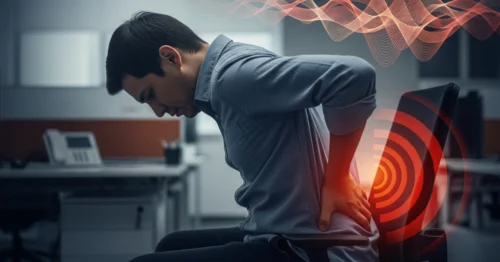




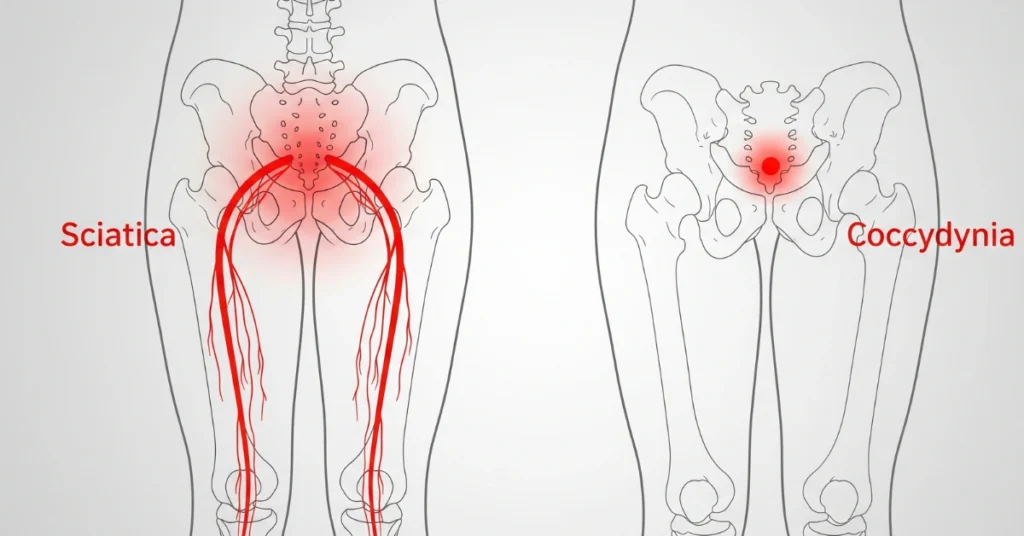
Sitting is one of the most common things that makes sciatica flare up. According to Mayo Clinic, the pain can get worse when you sit for a long time, and the cause is usually a pinched nerve root in the lower spine, not the chair itself. A cushion can’t fix that cause, but the right seat cushion for sciatica can take pressure off the sore areas and make sitting easier while you recover. In this guide, you’ll see which features matter, whether a donut pillow helps, and how to choose a cushion for your office chair, car or recliner.
What Is the Best Seat Cushion for Sciatica?
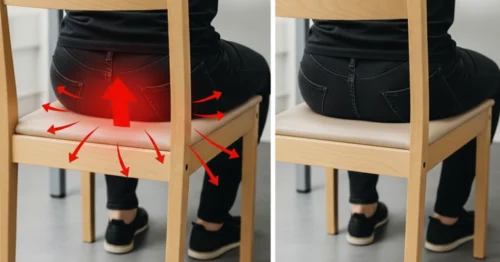
The best seat cushion for sciatica is a firm memory foam cushion with a U-shaped cutout at the back, enough width and thickness to support your hips without bottoming out, and a non-slip base so it stays in place. It spreads your weight more evenly and keeps pressure off the tailbone, which can make long stretches of sitting more comfortable. It will not treat the cause of sciatica.
What to look for in a quick checklist:
- High-density memory foam that holds its shape under your body weight
- U-shaped coccyx cutout to keep pressure off the tailbone
- Enough width and thickness so your hips and thighs rest fully on the cushion
- Non-slip base so it doesn’t slide on your chair or car seat
- Breathable, removable cover that you can wash
This guide is general information, not medical advice. If your sciatica comes with leg weakness or changes in bladder or bowel control, see a doctor right away.
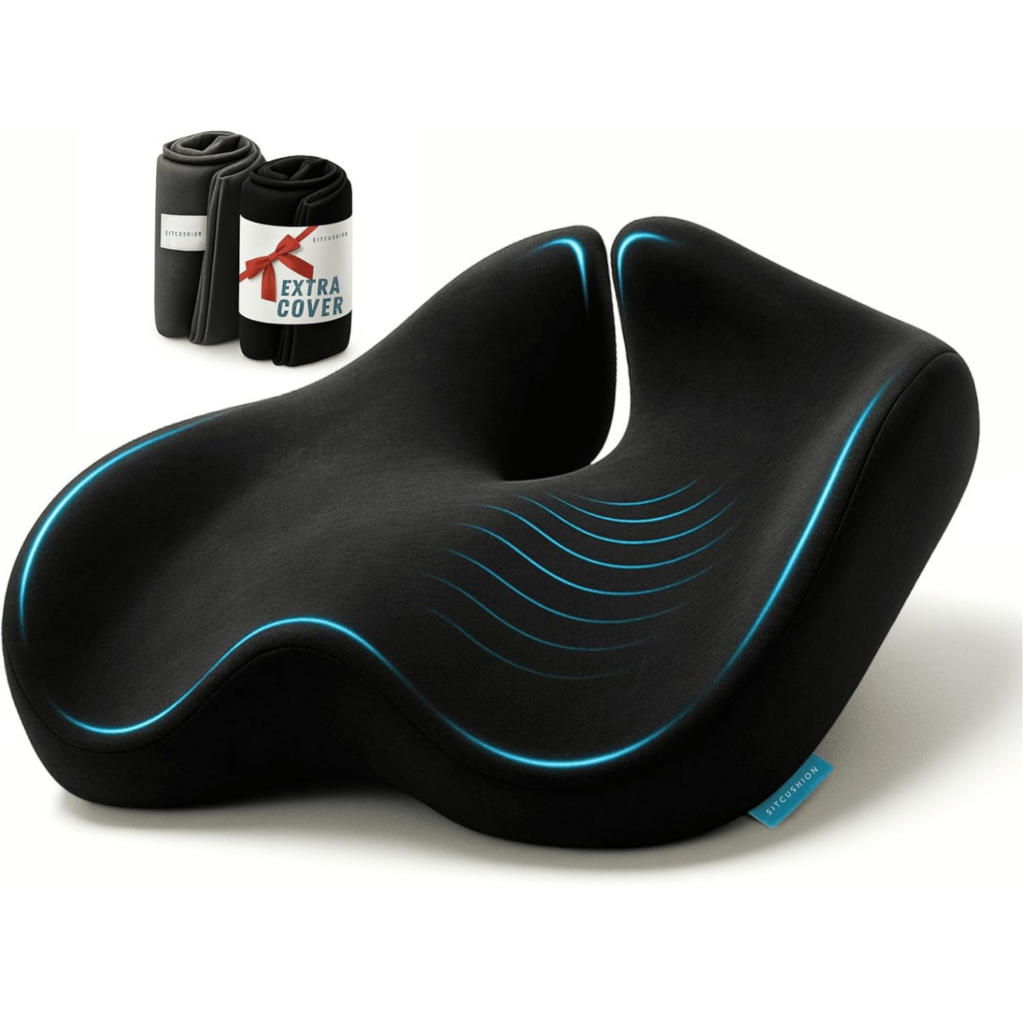
Our top pick for desk and office chairs is the Sitcushion Office Seat Cushion. It combines charcoal-infused memory foam with a U-shaped cutout, a 17.5″ x 20″ x 5″ size, a non-slip base, a carrying handle and a removable, machine-washable cover. It also comes with a lifetime money-back guarantee.
Our Pick for Office Chairs
Sitcushion Office Seat Cushion
U-shaped cutout, charcoal-infused memory foam, non-slip base and a washable cover. Lifetime money-back guarantee.
What Is the Difference Between Sciatica and Tailbone Pain?
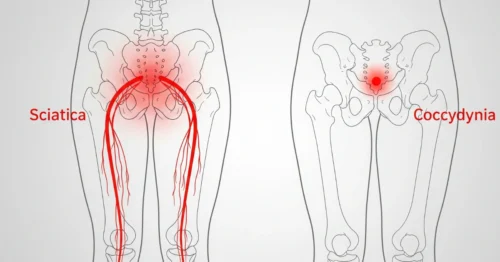
Sciatica is nerve pain that travels from the lower back through the buttock and down the leg, usually on one side. Tailbone pain (coccydynia) is pain at the very bottom of the spine that gets worse when you sit. The two can overlap, but they have different causes, and that is why the same cushion does not help both equally.
How to Tell Them Apart
Here is a quick comparison of the two conditions.
| Sciatica | Tailbone Pain (Coccydynia) | |
|---|---|---|
| Where it hurts | Lower back, buttock and down the back of the leg, usually on one side | The very bottom of the spine, in the middle |
| What it feels like | A mild ache to sharp, burning or electric-shock pain, sometimes with tingling or numbness | A dull ache or sharp pain right at the tailbone |
| Common causes | A herniated disc or bone spur pressing on a nerve root in the lower spine | A fall, repeated strain or childbirth, and sometimes no clear cause |
| When sitting hurts most | After sitting for a long time, and when you cough or sneeze | When leaning back while seated and when standing up from a chair |
| What to look for in a cushion | Firm, even support under the hips and thighs that does not flatten out | A cutout that keeps pressure off the tailbone |
A simple self-check can help. Point with one finger to the spot that hurts the most. According to StatPearls, tailbone pain sits lower and closer to the middle than most low back pain, and more central than buttock pain from the sacroiliac joint or the piriformis muscle. This is only a rough guide, not a diagnosis. If your pain is mostly on the side of the buttock, our guide to sacroiliac joint pain and sitting posture may fit better.
Can You Have Both?
Yes. Many people feel sciatica and tailbone pain at the same time, and a problem in the lower spine can sometimes show up as tailbone pain too. If your pain spreads down the leg or comes with numbness, treat it as possible sciatica, even when the tailbone also hurts.
Why the Difference Matters for Your Cushion
A cushion made only for the tailbone is not always the best match for sciatica. With sciatica, you want even, firm support that spreads weight across your hips and thighs and does not bottom out. With tailbone pain, the U-shaped cutout is the key feature, because it keeps pressure off the bone itself. A good seat cushion for sciatica and tailbone pain combines both: a firm, supportive base and a cutout at the back. If your pain is mainly in the tailbone, our guide to easing tailbone pain also covers steps beyond cushions.
See a doctor soon if your pain comes with leg weakness, numbness in the groin area, or changes in bladder or bowel control.
Why Does Sitting Make Sciatica Worse?
Sitting puts more load on the discs in your lower back than standing does, according to Harvard Health. If a herniated disc or another spinal change is already irritating a nerve root, that extra load can make sciatica pain feel worse. A hard or flat seat can add to the problem by concentrating pressure under your hips and thighs.
Extra Load on the Lower Back
The cause of sciatica sits in the spine, not in the chair. Still, when you sit, your weight rests on the lower back and pelvis, and slouching or rounding your lower back often increases that strain. For many people, this is why the pain builds up the longer they stay seated.
Pressure Under the Hips and Thighs
On a hard office chair, car seat or dining chair, most of your weight lands on a small area under the sit bones and the back of your thighs. For someone with sciatica, this area is often already sensitive, so a flat, firm surface can make sitting feel worse.
Long Periods Without Moving
Staying in one position adds up. Mayo Clinic notes that sciatica pain can get worse after sitting for a long time. Short breaks to stand and walk are one of the simplest ways to ease the strain, with or without a cushion.
What a Cushion Can and Cannot Do
A good seat cushion can spread your weight over a larger area, reduce pressure on sore spots and make longer stretches of sitting more comfortable. A U-shaped cutout also keeps pressure off the tailbone, which matters if you have tailbone pain as well. What a cushion cannot do is treat the cause of sciatica, such as a disc problem. Mayo Clinic says mild sciatica usually goes away over time, and advises calling your primary care professional if self-care measures do not ease your symptoms.
What Features Should a Seat Cushion for Sciatica Have?

Not every cushion helps with sciatica. Soft, thin or poorly shaped cushions can feel nice for a few minutes and then stop doing their job. These are the features that matter most, and what to check before you buy.
High-Density Memory Foam That Does Not Bottom Out
Support is the first thing to look for. A good memory foam seat cushion should contour to your body and still hold you up through a full workday. A simple test is to sit on it for a few minutes. If you can feel the hard chair through the foam, the cushion is too thin or too soft and will not spread pressure well.
Firm but Contoured Support
Too soft, and you sink into the chair. Too hard, and weight concentrates under your sit bones. For sciatica, firm foam that gently shapes to your body usually works best. You will also see the word orthopedic on many cushions. It describes a design aimed at support and pressure relief, not a medical certification, so judge a cushion by its shape, foam and size.
U-Shaped Cutout at the Back
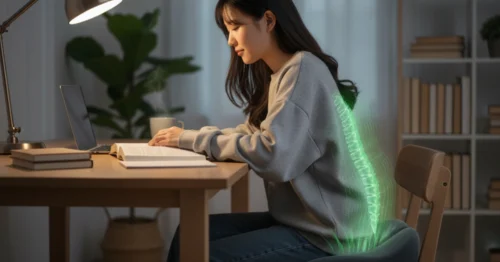
A U-shaped coccyx cutout removes foam from under the tailbone so it is not carrying your weight. If your sciatica comes with tailbone discomfort, this is a very useful feature. For sciatica alone, it still helps you sit a little further forward on your hips and thighs, which is where a cushion should carry your weight.
The Right Width and Thickness
Your hips and thighs should rest fully on the cushion, with no edge hanging off the chair. A wider cushion also gives your thighs more support. Keep in mind that a thicker cushion raises your seat height, so adjust your chair until your feet rest flat on the floor and your knees are at about a right angle. The Sitcushion Office Seat Cushion measures 17.5″ x 20″ x 5″ for this reason: it gives a generous seating area without making the chair feel unstable.
A Non-Slip Base
A cushion that slides forces you to keep adjusting your posture, which defeats the purpose. A non-slip base keeps the cutout and the support exactly where you need them, on an office chair, a car seat or a dining chair.
Breathable, Washable Cover and Heat Control
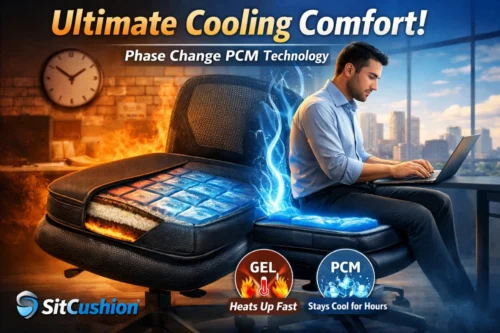
If you sit for hours, heat and sweat become part of the problem. Look for a breathable cover that is removable and machine washable. If you tend to run warm, our comparison of PCM and gel cushions shows which cooling materials actually make a difference.
Sciatica Pillow or Seat Cushion
Many people search for a sciatica pillow for sitting or a sciatic nerve pillow. In most cases they mean a seat cushion for a chair, car seat or sofa, not a sleeping pillow. A seat cushion with a cutout and firm foam is the type designed for sitting.
How the Sitcushion Office Seat Cushion Fits These Features
The Sitcushion Office Seat Cushion is built around these points: charcoal-infused memory foam, a U-shaped cutout, a non-slip base, a removable machine-washable cover and a built-in carrying handle for moving it between your office, car and home.
Does a Donut Pillow Help Sciatica?
Sometimes, but it is usually not the best first choice. A donut pillow lifts pressure from the center of the seat, which can help with tailbone pain, hemorrhoids, and recovery after surgery or childbirth. Sciatica is different. The pain starts in the lower spine and often runs through the buttock and thigh, so firm, even support under your hips and thighs matters more than a hole in the middle.
When a Donut Cushion Makes Sense
A donut cushion is a good fit when sciatica comes together with pain in the center of the seat area. Common examples are postpartum recovery, hemorrhoids and post-surgery healing. In those cases, the opening takes pressure off the sensitive spot, and the cushion can still make sitting more comfortable overall.
Our Women Donut Cushion has a V-shaped design made for pregnancy and postpartum comfort. Our Men Donut Cushion uses firm memory foam and is made for post-surgery and hemorrhoid relief.
When a U-Shaped Cushion Is the Better Choice
If your sciatica flares up during long hours at a desk, a U-shaped cushion is usually the better match. The cutout is open at the back, so it keeps pressure off the tailbone while your hips and thighs stay fully supported on firm foam. A closed ring, by contrast, puts a full edge of foam around the opening, and how well that works depends heavily on the fit and on where your pain is.
A Simple Rule of Thumb
- Sciatica with long hours at a desk or in a car: choose a U-shaped cushion such as the Office Seat Cushion.
- Sciatica with hemorrhoids, post-surgery pain or postpartum discomfort: a donut cushion may be more comfortable.
- Not sure what is causing your pain: ask your doctor before choosing a cushion.
For a wider comparison of cushion types, including wedge and gel options, read our guide to the best seat cushions for pain relief.
If Your Pain Is Centered Under You
Sitcushion Donut Cushions
Made for postpartum, post-surgery and hemorrhoid comfort.
How to Use a Seat Cushion for Sciatica
A cushion works best when it is placed and used correctly. These tips apply to any seat cushion for sciatica, including the Sitcushion Office Seat Cushion.
How to Position the Cushion
Place the cushion on a firm, flat seat with the U-shaped cutout toward the back of the chair. Sit all the way back so your hips and thighs rest fully on the foam and your lower back is against the chair. If you are perched on the front edge, the cushion cannot spread your weight the way it is designed to.
Do Not Treat It as a Reason to Stay Seated
A cushion makes sitting more comfortable, but it does not change the fact that staying in one position for too long can make sciatica worse. The NHS advises against sitting or lying down for long periods, and says that moving, even if it hurts, is not harmful and can help you recover faster. Use your cushion to make the time you do sit more comfortable, and change position often.
Using It on a Sofa, Recliner or in the Car
Foam cushions work best on a firm base. On a very soft sofa or a deep recliner, the foam can sink and tilt, so test the cushion on a firmer seat first. For driving, a car-specific cushion is a better fit. Our Car Seat Cushion has an angled wedge profile and a non-slip rubber base.
Give It a Few Days
Memory foam can feel firm at first. Give your body a few days to adjust before deciding whether a cushion works for you, and use it on the seats where you spend the most time, such as your desk chair.
When to See a Doctor
A cushion is one tool, not a treatment. Keep following any advice from your doctor or physical therapist, and see a doctor if your pain does not improve with self-care. Go to the emergency room right away if you have any of these symptoms:
- Weakness or numbness in both legs that is severe or getting worse
- Numbness around the genitals or anus
- Changes in bladder or bowel control
Frequently Asked Questions
What is the best seat cushion for sciatica?
The best seat cushion for sciatica is a firm memory foam cushion with a U-shaped cutout, enough width to support your hips and thighs, and a non-slip base. For desk and office chairs, the Sitcushion Office Seat Cushion is designed around these features. The best choice also depends on where you sit most and where your pain is.
Can a seat cushion help with sciatica pain?
It can help you sit more comfortably. A good cushion spreads your weight over a larger area and reduces pressure on sore spots. It does not treat the cause of sciatica, which is usually a herniated disc or bone spur pressing on a nerve root, so it works best together with movement and the advice of your doctor.
Does a donut pillow help sciatica?
Sometimes, but it is usually not the first choice. A donut pillow takes pressure off the center of the seat, which can help with hemorrhoids, tailbone pain, and recovery after surgery or childbirth. For sciatica caused by a spinal problem, firm and even support under the hips and thighs is usually more useful than a hole in the middle.
Is a sciatica pillow for sitting the same as a seat cushion?
In most cases, yes. When people search for a sciatica pillow for sitting or a sciatic nerve pillow, they usually mean a seat cushion for a chair, car seat or sofa. A sleeping pillow is a different product made for lying down, not for supporting your hips while you sit.
What is the best cushion for sciatica in an office chair?
Look for a firm memory foam cushion with a U-shaped cutout, a non-slip base, and a size that fits your chair seat. Check the cushion’s width and depth against your chair, and remember that a thicker cushion raises your seat height. Adjust your chair so your feet stay flat on the floor.
Can I use a sciatica cushion in a recliner or on a sofa?
Yes, but soft surfaces can let the foam sink and tilt, so a firm base works better. Leaning far back can also put more pressure on the tailbone. Try the cushion on a firmer seat first, and use it in a recliner only if it stays stable and comfortable.
Can a seat cushion help with sciatica and hip or buttock pain?
It may reduce pressure under your hips and buttocks, which can make sitting more comfortable. Hip and buttock pain does not always come from sciatica, though. Problems such as the sacroiliac joint or the piriformis muscle can feel similar, so read our guide to sacroiliac joint pain and sitting posture and see a doctor if the pain continues.
What cushion is best if I have both sciatica and tailbone pain?
Choose a cushion that combines firm, even support under the hips and thighs with a U-shaped cutout that keeps pressure off the tailbone. That combination covers both problems better than a cushion built for only one of them.
How do I choose the right size and firmness?
The cushion should be wide enough for your hips and thighs to rest fully on it, without hanging off the chair. It should be firm enough that you cannot feel the hard seat through the foam. The Sitcushion Office Seat Cushion measures 17.5″ x 20″ x 5″ and comes with a lifetime money-back guarantee, so you can test it on your own chair.
Choosing the Best Seat Cushion for Sciatica
Sciatica can make every hour at your desk, in your car or on the couch harder than it should be. A cushion will not treat the cause of the pain, but the best seat cushion for sciatica can take pressure off sore spots and make sitting more comfortable while you recover.
To choose well, remember these points:
- Look for firm memory foam that does not flatten under your body weight.
- Choose a U-shaped cutout if your pain also reaches the tailbone.
- Pick a size that supports your hips and thighs, with a non-slip base that keeps it in place.
- Consider a donut cushion only if your sciatica comes with hemorrhoids, post-surgery or postpartum discomfort.
- Change position often, and see a doctor if your pain does not improve or if you notice any warning signs.
If you spend most of your day at a desk, the Sitcushion Office Seat Cushion is built around these features, and every Sitcushion product comes with a lifetime money-back guarantee. You can also find it on Amazon, or visit our Knowledge Center for more guides on sitting comfortably with back, hip and tailbone pain.