


If your lower back pain shows up on just one side — left or right — you’re not alone, and the cause is often more specific than general back pain. One-sided lower back pain can stem from muscle strain, joint issues, nerve compression, or in some cases, an internal organ. In this guide, we break down what’s likely causing pain on the left or right side of your lower back, and the treatment options that actually help.
Spinal Structure
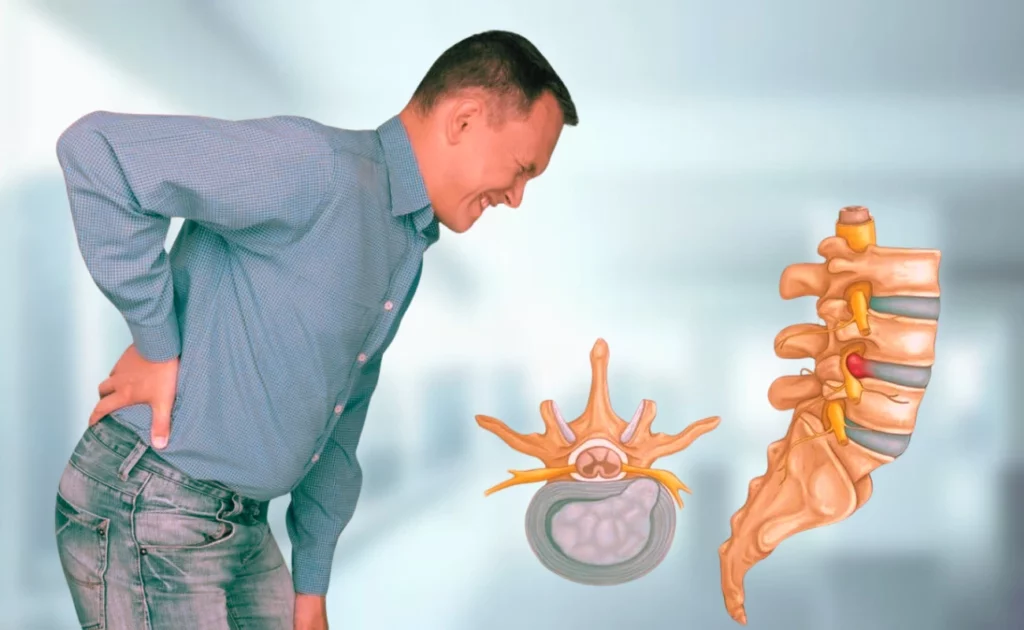
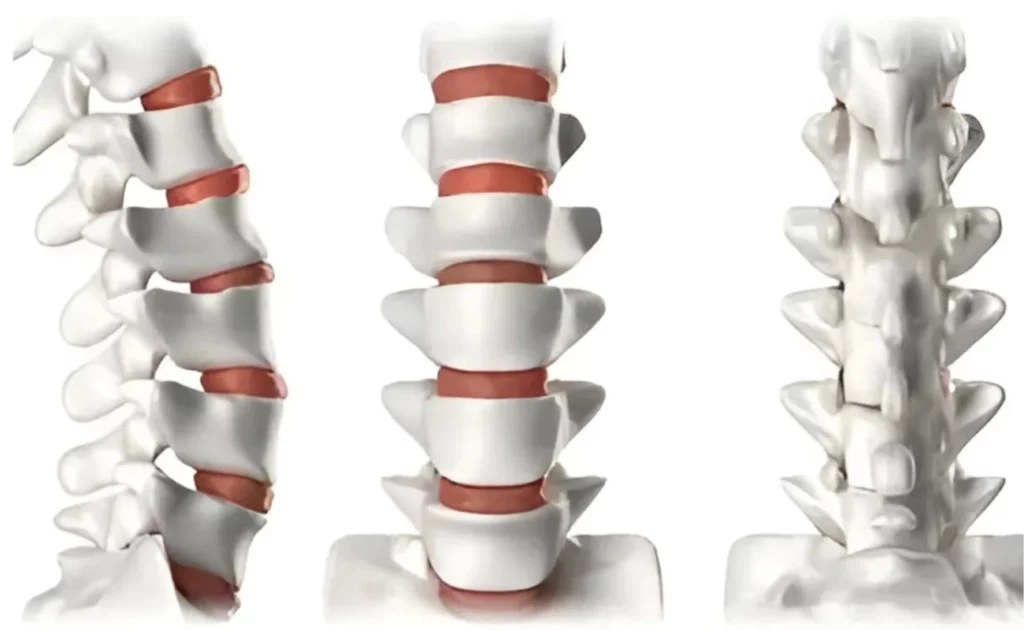
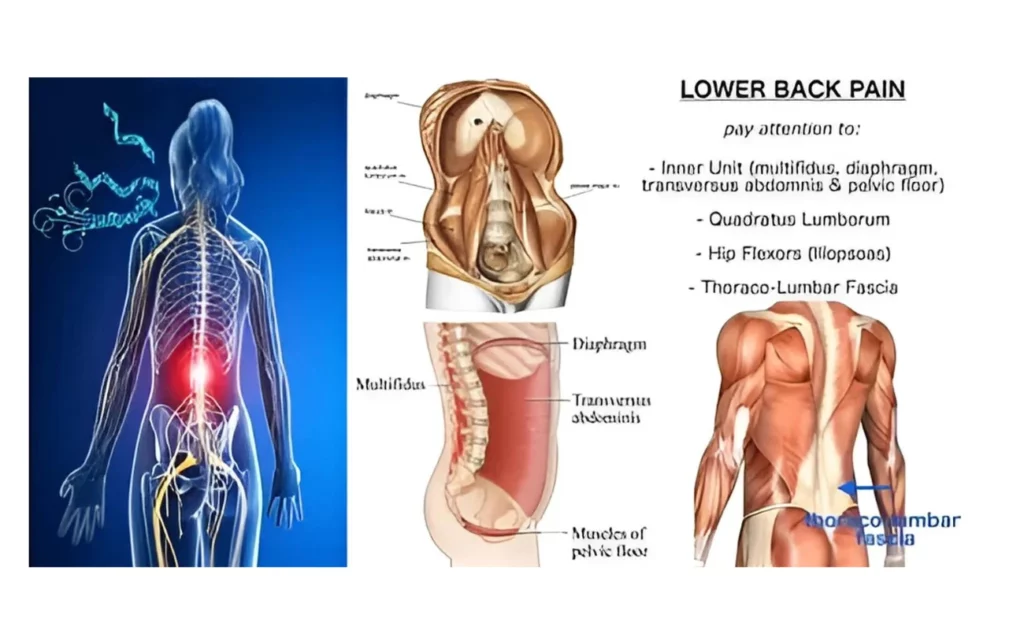
The spine is composed of several vertebrae, with discs located between each vertebra acting as shock absorbers. Each disc has a tough outer layer and a gel-like inner substance called the nucleus. Each vertebra has two joints behind the discs, known as facet joints. These joints, along with the spine, are stabilized by ligaments and muscles, including:
- Two iliopsoas muscles, which run along both sides of the spine
- Two erector spinae muscles, extending along the length of the spine
- Several short paraspinal muscles located between the vertebrae
Additionally, abdominal muscles, which stretch from below the rib cage to the pelvis, help maintain spinal stability. The gluteal muscles also play a role in stabilizing the spine.
The spinal cord is housed within the spine, and spinal nerves connect through the spaces between the vertebrae to nerves throughout the body. If the spine is injured, spinal nerve roots may become compressed, leading to pain.
The lower spine is flexible, allowing for rotation, twisting, and bending, while providing the strength needed for standing, walking, and lifting. Thus, the lower spine plays a critical role in almost all daily activities. Lower back pain can limit these activities and negatively affect quality of life.
Because the spine’s muscles and joints are arranged in mirrored pairs on the left and right, an injury, strain, or imbalance affecting just one side can lead to pain that’s felt more on that side of your lower back.
Source: Cleveland Clinic – Spine: Anatomy, Function, Parts, Segments & Disorders
Types of Lower Back Pain
Lower back pain on either the left or right side can generally be classified into three types: localized pain, radiating pain, and referred pain.
✔️ Localized Pain
This is the most common type of lower back pain and occurs in a specific spot in the lower back. It is usually caused by minor injuries to the disc, joint inflammation, or sometimes muscle strain or sprain.
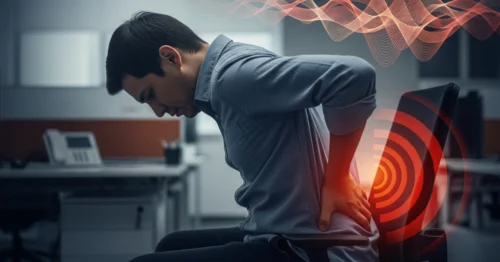
Localized pain can be constant or intermittent, and sudden pain may arise from injury. It may be alleviated or worsened by changes in body position, and pressing on the affected area can often trigger the pain. Muscle spasms can affect either side, but symptoms are often felt more intensely on one side depending on which specific muscles are strained.
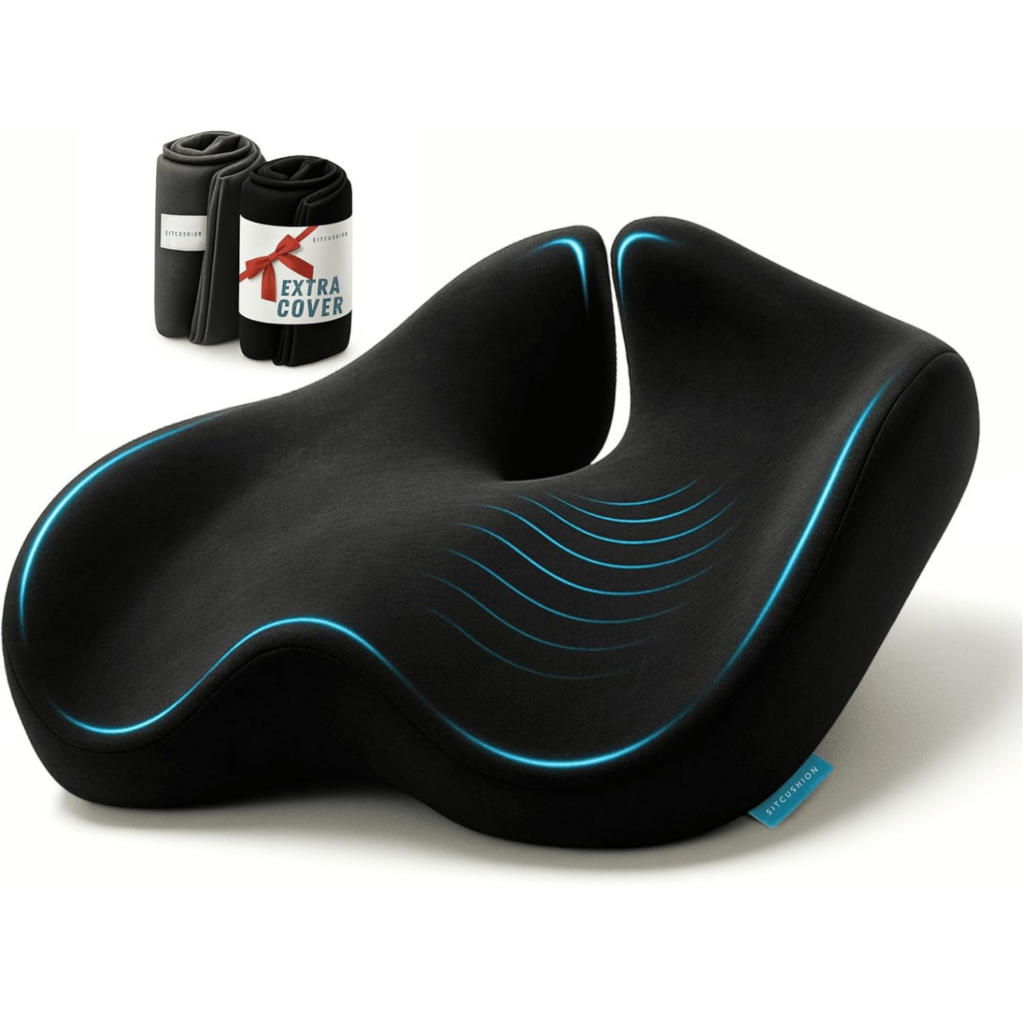
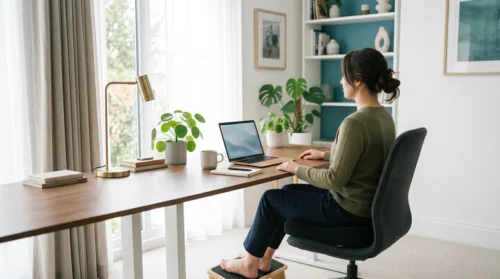
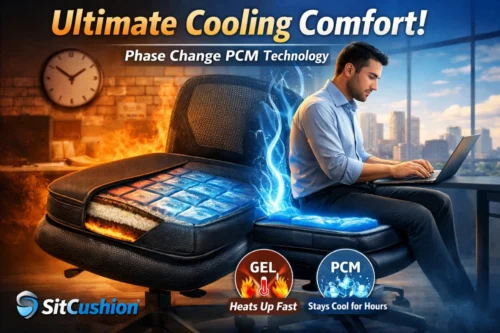
If you experience discomfort from muscle spasms or sitting for extended periods, using a quality seat cushion can provide relief. Check out our Seat Cushion designed to reduce pressure on your lower back and improve posture.
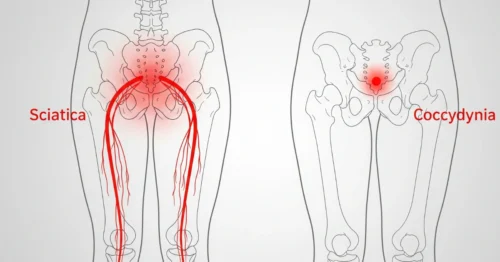
For specific techniques to relieve tailbone discomfort, check out 8 Expert-Approved Techniques to Ease Tailbone Pain.
✔️ Radiating Pain
This pain extends from the lower back down to the leg. It can range from mild to severe and usually occurs on one side of the body, often affecting the back of the leg and possibly radiating further down to the lower leg or knee.
Radiating pain is often a sign of nerve root compression, which can result from conditions such as a herniated disc, sciatica, arthritis, or spinal stenosis. Actions like coughing, sneezing, or bending while keeping the leg straight can exacerbate the pain. In cases where nerve root compression is present, symptoms such as muscle weakness, tingling, or even loss of sensation in the leg may occur. In rare cases, individuals might experience incontinence.
Because sciatica and nerve compression typically affect one nerve root at a time, radiating pain is almost always felt on just one side — left or right — rather than both.
✔️ Referred Pain
This type of pain is felt in a location different from the site of injury or irritation. For instance, a kidney stone often causes sharp, one-sided pain in the lower back or flank, even though the underlying issue isn’t in the spine at all. Referred pain in the lower back caused by internal organs is often deep and severe, making it difficult to pinpoint the exact location of the pain. Typically, movement does not worsen referred pain.
These types of pain can overlap, and it is important to identify the source to choose the correct treatment method.
To explore more about lower back pain, including expert advice on managing each type, check out our Knowledge Center for comprehensive articles.
What Causes Lower Back Pain?
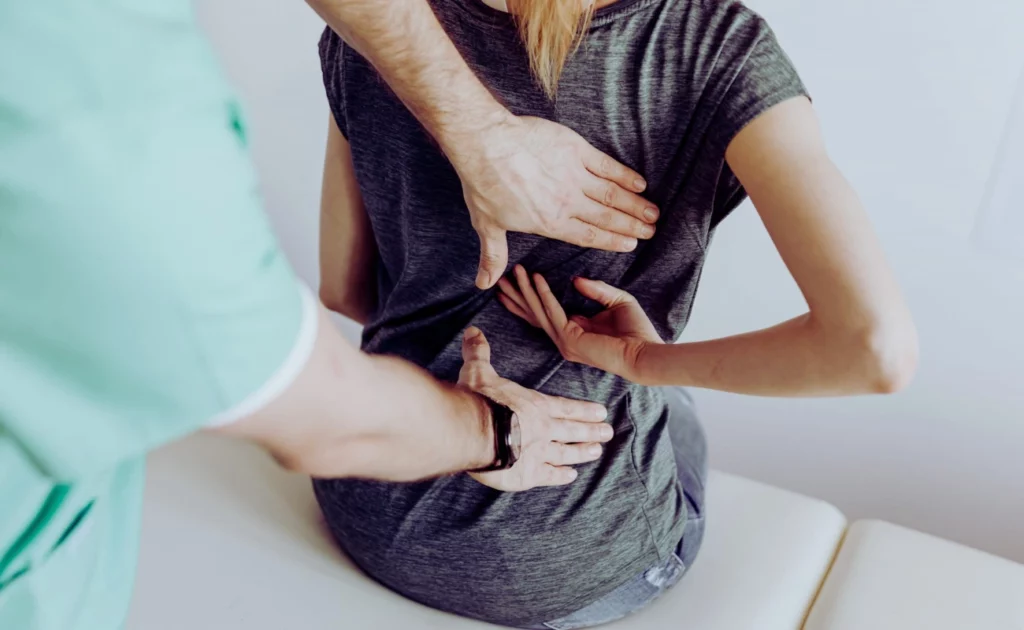
One of the most common questions people ask when experiencing back pain is, “What causes lower back pain?” In most cases, the cause of pain on the left or right side of the lower back stems from issues related to the spine, joints, muscles, ligaments, nerve roots surrounding the spine, or the intervertebral discs.
Typically, it’s challenging to pinpoint a single, specific cause for lower back pain. Any painful condition in the spine can lead to muscle spasms around the vertebrae, and these spasms may intensify the pain. Stress can also increase pain on the lower left and right sides of the back.
In some cases, back pain may result from conditions such as cancer, gynecological issues (such as menstrual syndrome), kidney problems like kidney stones, urinary tract diseases (such as kidney or bladder infections and prostate conditions), digestive issues (such as diverticulitis), or artery-related conditions near the spine. The common causes of lower back pain on the right and left sides include:
✔️ Muscle or Ligament Injury
Injuries may occur during daily activities (such as lifting objects or exercising) or as a result of accidents like falls or car crashes. Often, imaging tests cannot detect the damaged structures, but doctors suggest that the muscles or ligaments might be injured. Damage to the soft tissues around the spine can cause pain on either side, depending on which specific muscles or ligaments are affected.
✔️ Arthritis and Facet Joint Wear
Arthritis can affect the facet joints on either side of the spine, sometimes causing pain that’s more noticeable on one side depending on which joints are most worn. This condition results from the wear and tear of the cartilage between the facet joints, leading to the formation of bone spurs.
Arthritis typically develops over time due to constant pressure on the joints, increasing the likelihood of the condition. In this situation, the intervertebral discs deteriorate, the space between the vertebrae narrows, and the pressure on the facet joints increases, resulting in inflammation.
If the disc’s height is significantly reduced, bone spurs may press on the nerve roots of the spinal cord, causing lower back pain.
✔️ Vertebral Compression Fractures
A vertebral compression fracture occurs when bone density decreases due to osteoporosis with age. Vertebrae are particularly vulnerable to the effects of osteoporosis.
A vertebral compression fracture may lead to sudden and severe lower back pain, often accompanied by nerve root compression, resulting in chronic back pain. Although most fractures due to osteoporosis occur in the upper and middle parts of the back, causing pain in these areas, they can also contribute to lower back pain.
✔️ Herniated or Degenerated Discs
Disc problems are among the most common causes of one-sided lower back pain. A herniated (or slipped) disc occurs when the tough outer layer of a disc tears and the soft inner material pushes outward, often pressing on a nearby nerve root. Because each nerve root exits the spine on one side, a herniated disc typically causes pain that’s felt more on the left or right, sometimes radiating into the hip or leg.
Degenerative disc disease is another common cause, where discs gradually lose height and flexibility with age. As a disc thins unevenly, it can shift more pressure onto the facet joints on one side, leading to localized, one-sided discomfort that tends to worsen with prolonged sitting or bending.
If you’re experiencing tailbone discomfort along with lower back pain, explore our guide on Coccyx Pain: Top Causes, Symptoms, and Best Treatment Solutions for more tailored insights.
✔️ Lumbar Spinal Stenosis (Narrowing of the Spinal Canal)
Another cause of lower back pain is lumbar spinal stenosis. This condition occurs when the spinal canal, which houses the spinal cord and nerves, becomes narrow. It’s common in older individuals and can also develop in middle-aged people born with a narrow spinal canal.
Conditions like arthritis, spondylolisthesis, ankylosing spondylitis, and Paget’s disease can lead to spinal stenosis, causing sciatic pain and lower back pain.
Learn more about the connection between tailbone pain and spinal issues by reading our article on Coccyx Pain: Top Causes, Symptoms, and Best Treatment Solutions.
✔️ Spondylolisthesis (Vertebral Slippage)
Spondylolisthesis is the slippage of vertebrae in the lower back, which can cause pain. One type of spondylolisthesis typically occurs in adolescents, often athletes, due to injuries or fractures in the vertebrae.
If both sides of a vertebra are injured, the vertebra may shift forward. In adults, spondylolisthesis is often caused by degenerative conditions and increases the risk of lumbar spinal stenosis.
✔️ Fibromyalgia-Related Back Pain
Fibromyalgia is a common cause of widespread pain that can affect the lower back. This condition leads to chronic pain in the muscles and other soft tissues, impacting areas beyond just the lower back. Fibromyalgia also negatively affects sleep quality and may cause fatigue.
Uncommon Causes of Lower Back Pain
Less common causes of lower back pain include:
- Spinal infections
- Spinal tumors
- Abdominal aortic aneurysm
- Digestive conditions, such as diverticulitis
- Urinary issues, such as kidney infections, kidney stones, and prostate infections
- Pelvic disorders, including ectopic pregnancy, pelvic inflammatory disease (PID), and ovarian cancer
- Shingles, both before and after the rash appears
- Paget’s disease
- Inflammatory arthritis, such as ankylosing spondylitis
- Inflammatory conditions affecting the area behind the abdominal cavity, such as scarring, bleeding, enlarged lymph nodes, and IgG4-related diseases
- Muscle inflammatory conditions, such as polymyositis and other inflammatory myopathies, as well as polymyalgia rheumatica
Lower Back Pain Treatment
When a specific cause of lower back pain is identified, treatment focuses on addressing that issue. For instance, antibiotics are used to treat prostate infections. However, for musculoskeletal pain caused by strains, sprains, or other musculoskeletal conditions, there is often no specific treatment. General treatments for lower back pain include:
Modifying Daily Activities
To relieve recent lower back pain, avoid activities that put pressure on the spine and cause pain, such as heavy lifting and bending. Rest doesn’t speed up recovery, and most doctors recommend continuing light activities. If pain is severe, bed rest should not last more than 1 to 2 days. Prolonged rest can weaken the back and abdominal muscles, intensifying pain and prolonging recovery. In most cases, back braces and traction offer limited benefit for general lower back pain and are typically reserved for specific conditions under a doctor’s guidance.
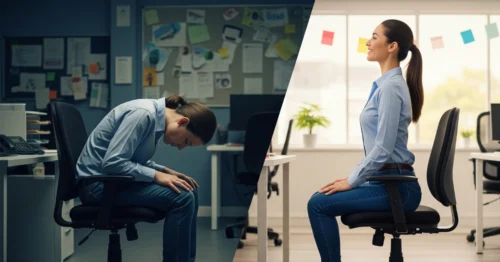
To further support your lower back and maintain good posture while sitting, consider using our specially designed Seat Cushion to alleviate discomfort during daily activities.
Medication for Pain Relief
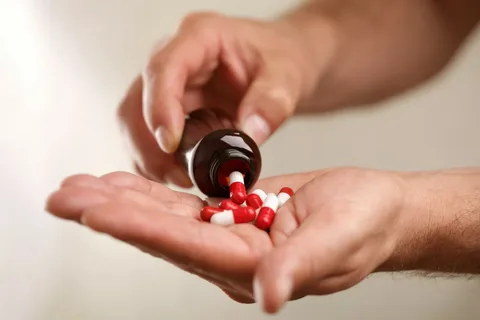
Commonly, aspirin is used to relieve pain unless inflammation is present. Nonsteroidal anti-inflammatory drugs (NSAIDs) can help reduce pain and inflammation. If these medications don’t relieve the pain, opioid analgesics may be prescribed for a short period. Long-term use of opioids can lead to increased pain sensitivity, side effects, and substance misuse issues.
Sometimes, muscle relaxants like carisoprodol, cyclobenzaprine, diazepam, metaxalone, or methocarbamol are prescribed for muscle spasms. These medications are not recommended for elderly patients due to side effects like drowsiness and should not be used for more than 72 hours.
Always consult your doctor or pharmacist before starting any new medication, especially if you’re combining treatments or have other health conditions.
Sleep Position and Posture
Proper body posture can help relieve lower back pain. Sleeping on a medium-firm mattress is recommended. Those who sleep on their back may place a pillow under their knees, and side sleepers should keep a pillow under their head and between their knees. If necessary, sleeping on the stomach may continue if it doesn’t cause pain.
Cold and Heat Therapy

Both cold and heat can alleviate lower back pain. Cold is typically used in the first day following an injury. Ice should not be applied directly to the skin, and cold packs can be used for 20 minutes with 60-90 minute intervals. Heat pads should be used cautiously, particularly while awake, to prevent burns.
Massage and Chiropractic Care
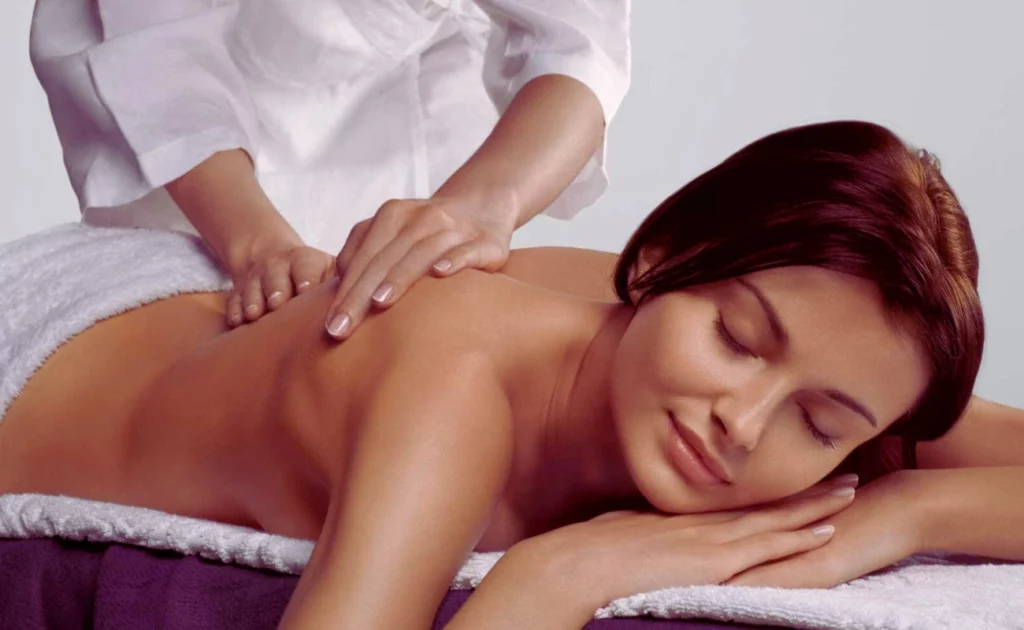
Massage may provide temporary relief for lower back pain. Chiropractic care combined with exercise programs may be effective, but treatments like manipulation should be approached with caution, especially in patients with conditions like arthritis or herniated discs.
Physical Therapy and Exercise
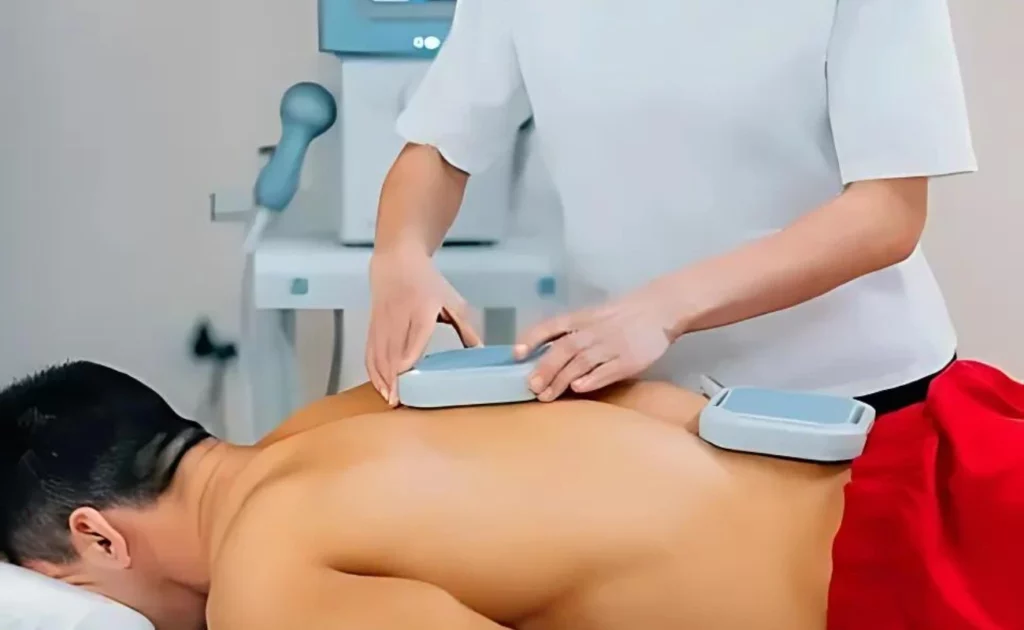
After relieving the pain, engaging in light physical activity, as recommended by a doctor, can speed up recovery. A course of therapy under the supervision of a physiotherapy specialist can also be effective in alleviating pain. To prevent chronic lower back pain, specific exercises aimed at strengthening the back and abdominal muscles are recommended.
TENS Therapy for Nerve Pain
TENS therapy can help relieve lower back pain. This device generates electrical currents that can block pain signals from traveling from the spine to the brain. Depending on the severity of the pain, this current can be applied to the affected area several times a day for 20 minutes to several hours.
Corticosteroid (Steroid) Injections
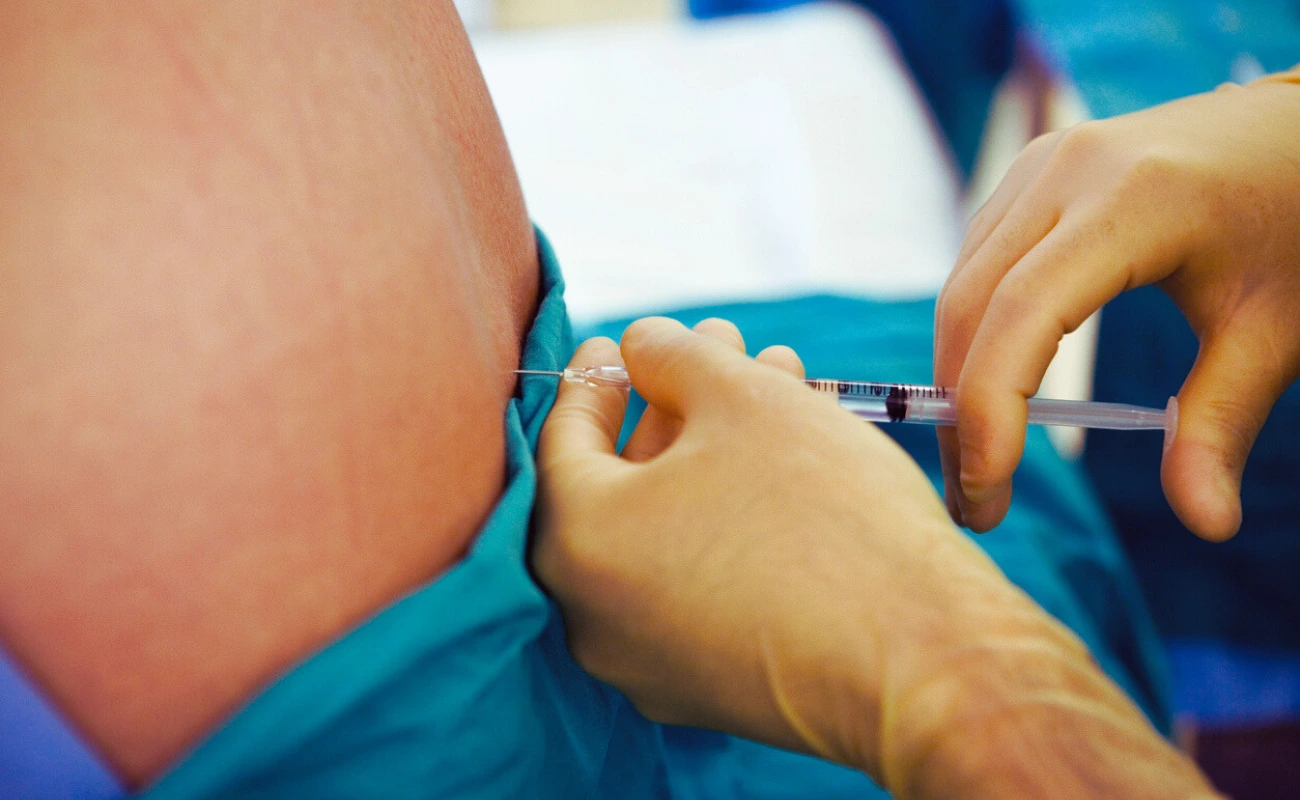
In some cases, corticosteroids (such as dexamethasone or methylprednisolone) can be injected alongside a local anesthetic (like lidocaine) into the facet joints or the epidural space—the area between the spine and the outer layer of tissue surrounding the spinal cord. Steroid injections may have more effect in alleviating sciatica. However, this method typically provides relief for only a few days or weeks. The primary goal of steroid injections is to manage pain while a long-term exercise program is implemented. This treatment should only be performed by a qualified medical provider after a proper diagnosis.
When Surgery May Be Necessary

If a herniated disc continuously causes sciatica, weakness, loss of sensation, or loss of bladder or bowel control, surgery to remove part of the disc (discectomy) or, in some cases, part of the vertebra (laminectomy) may be necessary.
In severe spinal stenosis, a large portion of the vertebra’s back section (the lamina) may need to be surgically removed to widen the spinal canal. General anesthesia is typically required for this procedure, and the patient may need to stay in the hospital for 4 to 5 days. Recovery time for resuming daily activities is approximately 3 to 4 months. About two-thirds of patients recover fully, while the remaining cases benefit from surgery to prevent further pain or worsening of symptoms.
In cases of spinal instability (due to severe disc herniation, spondylolisthesis, or following laminectomy to treat spinal stenosis), lumbar spinal fusion surgery may be performed. However, this type of surgery can restrict mobility and potentially put excessive pressure on other parts of the spine, leading to further complications. Surgical decisions should always be made in consultation with a spine surgeon after a full evaluation.
For more in-depth information on managing lower back pain and learning about different treatment options, visit our Knowledge Center. Discover the latest insights on how to relieve pain effectively.
Frequently Asked Questions About One-Sided Lower Back Pain
1. Why does my lower back only hurt on one side?
One-sided lower back pain usually points to a specific, localized cause rather than general strain — such as a herniated disc, arthritis in one facet joint, or a pinched nerve root. Because nerves and joints on the left and right sides work independently, pain from these conditions is often felt on just one side.
2. Is left-side lower back pain more serious than right-side pain?
Neither side is inherently more serious — the cause matters more than the side. Left- or right-sided pain can both stem from muscle strain, arthritis, or a herniated disc. However, sudden, severe pain on either side accompanied by fever, numbness, or bladder changes should be evaluated by a doctor right away.
3. Can a herniated disc cause pain on just one side?
Yes. A herniated disc often pushes against a single nerve root, which typically causes pain, tingling, or weakness on one side of the lower back and can radiate into the same-side hip or leg. This one-sided pattern is one of the most common signs of a disc problem.
4. How long does one-sided lower back pain usually last?
Mild, muscle-related pain often improves within a few days to two weeks with rest, movement, and heat or cold therapy. Pain linked to a disc, nerve, or joint issue may take several weeks to resolve and should be evaluated by a doctor if it persists beyond 2–3 weeks.
5. Can a seat cushion help with one-sided lower back pain?
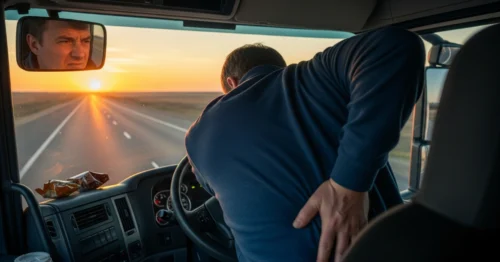
A supportive seat cushion can reduce pressure on the lower back and pelvis, particularly for pain triggered or worsened by prolonged sitting. While it won’t treat the underlying cause, it can ease daily discomfort and support better posture during work, driving, or travel.