





Intro
Looking for a juice for circulation that actually works? Most lists promise a lot and show very little proof. This guide covers what the research really says about beetroot juice and other popular juices, who should be careful with them, and what helps your blood flow more than any drink.
Which Juice Is Best for Circulation
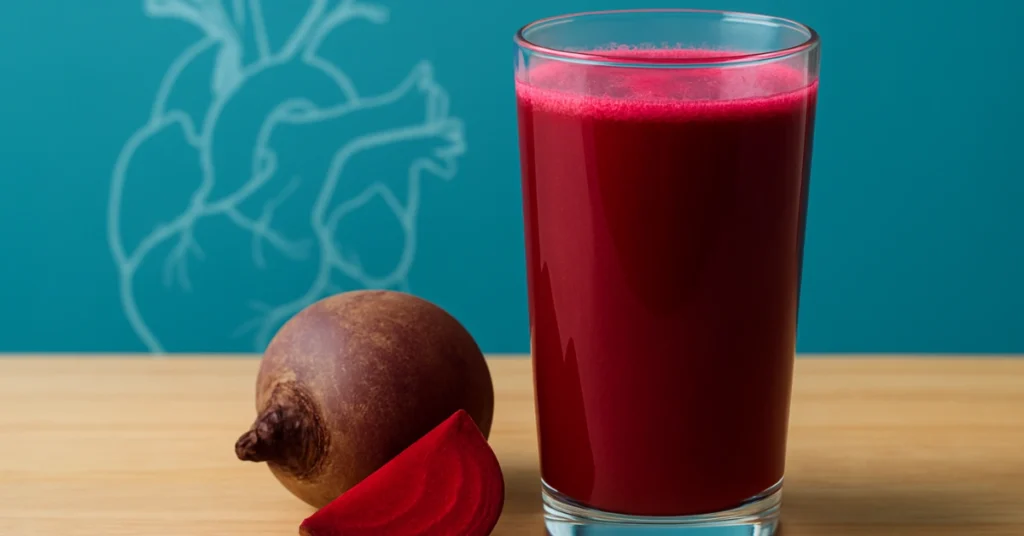
Beetroot juice has the strongest evidence of any juice for circulation, but the effect is modest. Its natural nitrates are converted into nitric oxide, which relaxes blood vessels. A systematic review of 16 short trials found that nitrate and beetroot juice lowered systolic blood pressure by about 4 mm Hg, and the authors noted that longer studies are still needed. Evidence for other juices is thinner, and for cranberry juice it is mixed. No juice replaces daily movement, and none treats a circulation problem that needs a doctor.
How Beetroot Juice Affects Blood Flow

Beetroot is one of the richest food sources of dietary nitrate. After you drink it, bacteria in your mouth and gut help convert nitrate into nitrite and then into nitric oxide, a molecule that signals blood vessels to relax and widen. This is why beetroot juice is studied for blood pressure and blood flow.
Most of the research has been done in specific groups, not in healthy people who sit all day:
- In a small randomized trial of 23 people with Raynaud’s phenomenon, beetroot juice improved blood flow in the fingers after cold exposure, although nitrate-depleted juice also helped, so other compounds in beetroot may play a role.
- A systematic review of beetroot juice in peripheral artery disease found possible benefits for walking capacity, but the evidence came from a small number of studies with limited certainty.
These results are promising, but they do not prove that a daily glass of juice fixes everyday poor circulation. Think of beetroot juice as a modest extra, not a treatment.
Who Should Be Careful With Beetroot Juice
Beetroot juice is safe for most healthy adults in small amounts, but a few groups should check with a doctor first:
- History of kidney stones. Beets are on the list of foods high in oxalate, which can contribute to calcium oxalate stones in people who are prone to them.
- Low blood pressure or blood pressure medication. Because beetroot juice can lower blood pressure, it may add to the effect of your medicine or make you dizzy.
- Diabetes or blood sugar concerns. Juice is more concentrated in natural sugar than the whole vegetable, so a small serving matters.
- Pregnancy. Ask your doctor or midwife before adding it regularly.
Pink or red urine after drinking beetroot juice is common and harmless.
A Simple Beetroot Juice Recipe
This recipe makes one small serving and keeps the sugar lower than a full glass of pure juice.
Ingredients
- 1 medium raw beetroot, peeled and chopped
- 1 small apple, cored
- Juice of half a lemon
- Half a cup of water
Blend everything until smooth, strain if you prefer a thinner texture, and drink it fresh. Start with about half a cup once a day. Treat it as part of a balanced diet, not as a treatment.
Simple Movement Habits That Help More Than Any Drink

Movement is the most reliable way to support blood flow in your legs, because your calf muscles work like a pump that pushes blood back toward the heart. You do not need a workout. A few small habits are enough:
- Walk for a few minutes whenever you can, even just around the room.
- Calf raises. Stand, rise onto your toes, and lower slowly, about 10 to 15 times.
- Ankle circles. While seated, lift your feet slightly and draw slow circles with your toes in both directions.
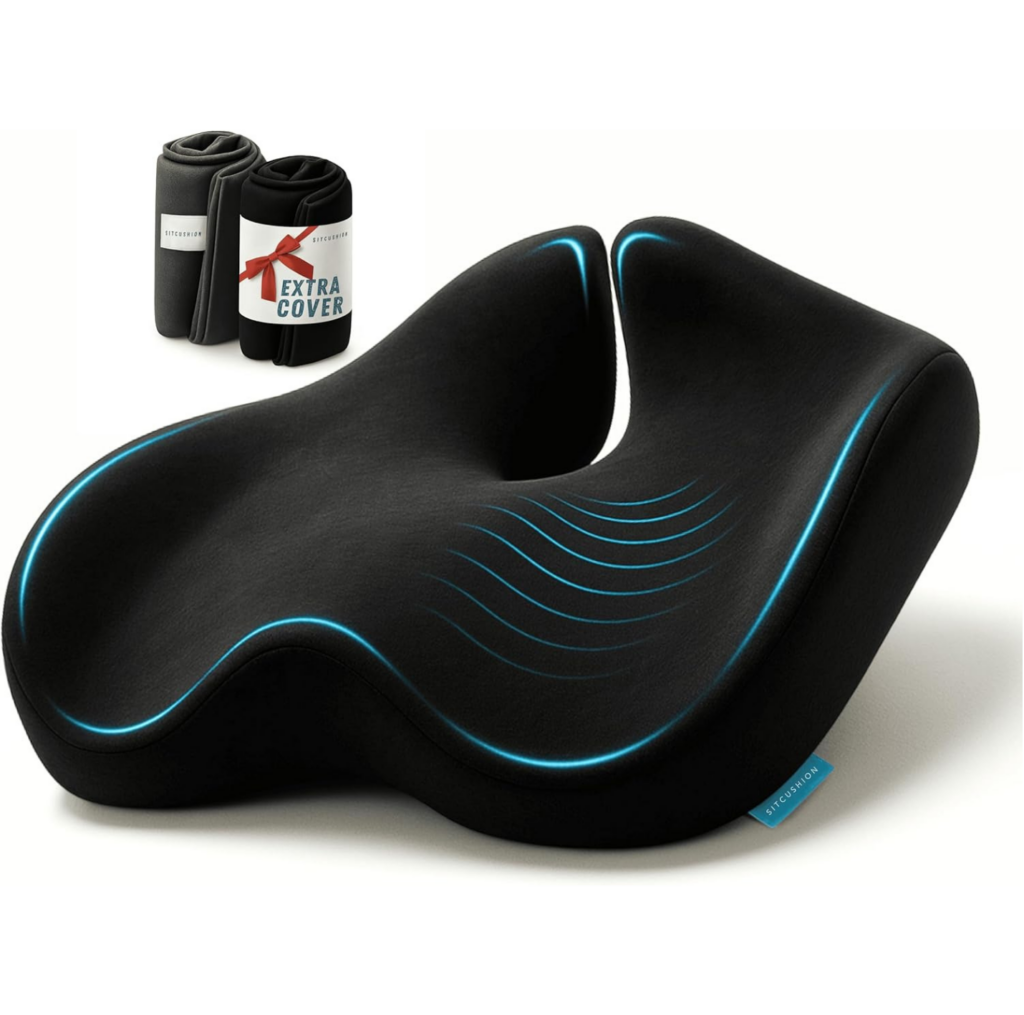
If you sit for long stretches, short and frequent breaks matter more than one long workout. Our guide on sitting more than 6 hours a day explains how to build them into your day. A supportive seat can also make long sitting more comfortable by easing pressure under the thighs and hips, as the sitcushion office seat cushion is designed to do, but no cushion replaces moving.
When to See a Doctor
Juice and movement are general support, not a treatment for a medical problem. Contact a doctor if you notice any of the following:
- Swelling in one leg with pain, warmth, or redness, which can be a sign of a blood clot. See the Mayo Clinic’s list of deep vein thrombosis symptoms.
- Leg pain when walking that eases with rest
- Legs or feet that stay cold, pale, or bluish
- Swelling in both legs that keeps coming back
- Numbness or tingling that does not go away
Seek emergency care right away if leg swelling comes with sudden shortness of breath or chest pain.
Frequently Asked Questions About Juice and Circulation
Which juice is best for circulation?
Beetroot juice has the strongest evidence. Its nitrates help widen blood vessels, and trials show a modest drop in blood pressure. Pomegranate juice has some support for modest blood pressure effects, but the evidence for most other juices is thinner. Choose unsweetened juice, since added sugar works against you.
Does beetroot juice really help circulation?
It may help a little, mainly in specific groups. Small trials in people with Raynaud’s and peripheral artery disease suggest benefits for blood flow and walking capacity, but the evidence is limited. In healthy people, expect a modest effect at best, not a fix for poor circulation.
Does cranberry juice increase blood flow?
Possibly slightly, but the evidence is mixed. One trial in healthy men found that a month of daily whole cranberry powder improved blood vessel function, while a trial in people with coronary artery disease found no lasting effect from cranberry juice. Many cranberry drinks are also sweetened, so they are not a reliable choice for circulation.
How long does beetroot juice take to work, and when should I drink it?
Its effect usually peaks about two to three hours after drinking and fades within a day. That is why regular intake matters more than a single glass. For general blood flow, the time of day matters little, so drink it when it suits your routine. Avoid antibacterial mouthwash around the same time, because it can reduce how well your body converts nitrate.
How much beetroot juice can I drink per day?
There is no official recommended amount. Studies typically use about 70 to 250 ml a day, and half a cup is a sensible starting point. More is not better, and the safety notes above still apply, especially if you have kidney stones or take blood pressure medicine.
What is the best natural way to improve circulation?
Regular movement is the most dependable. Walking, calf raises and breaks from sitting keep blood moving in your legs. Not smoking, keeping blood pressure in check and eating plenty of vegetables also matter. Juice can be a small extra, not the main plan.
Can sitting too long cause poor circulation?
Yes, long periods of sitting can slow blood flow in your legs. When your calf muscles stay idle, blood can pool in the lower legs, which may cause heaviness, swelling or tingling. Short, frequent movement breaks help, and our guide on sitting more than 6 hours a day shows how to plan them. Persistent or one-sided symptoms need a doctor.
Final Thoughts on Juice and Circulation
Beetroot juice is the best-studied juice for circulation, but its effect is modest, and it works best alongside regular movement and a balanced diet. Keep the safety notes in mind, and see a doctor about symptoms that persist or affect only one leg. If you want to make long hours of sitting more comfortable, explore our seat cushion collection. This article is for general information and does not replace medical advice.