




To relieve sciatica pain while sitting, keep your knees and hips level, put your feet flat on the floor, support your lower back, and stand up or walk every 30 minutes. Heat, gentle stretches and a pressure-relieving seat cushion may ease symptoms. Sudden leg weakness, numbness around the groin or bladder and bowel changes need urgent medical care.
You sit down to work or drive, and within minutes a sharp, burning or tingling pain starts in your buttock and runs down the back of your leg. That is the typical pattern of sciatica, and it is one of the most common reasons people struggle to sit comfortably. According to Mayo Clinic, sciatica pain can get worse when you cough, sneeze or sit for a long time.
The good news is that sitting does not have to be off limits. Small changes to how you sit, how long you sit and what you sit on can reduce pressure on the irritated nerve and make your day easier. Sciatica is also usually temporary, and most people improve with self-care and time.
This guide explains why sitting makes sciatica worse, the best ways to sit with less pain, which relief options are worth trying, and the red flag symptoms that mean you should not wait. It is general information, not a diagnosis, so if your symptoms are severe or getting worse, talk to a doctor or physical therapist.
Why Sitting Makes Sciatica Worse
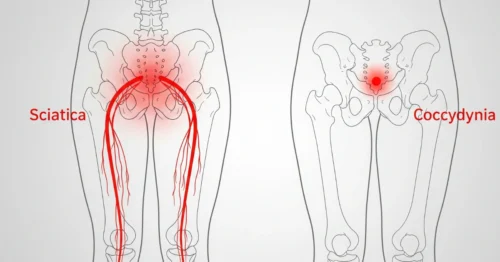
Sitting can make sciatica worse because it keeps pressure on the irritated nerve roots in your lower back for long stretches of time. Sciatica is not a disease on its own. It is a pattern of pain, tingling or numbness caused by a pinched or irritated nerve root, most often from a herniated disc or a bone spur, as Mayo Clinic explains.
When you stand or walk, your weight and movement are shared between many muscles and joints. When you sit, your lower back and pelvis carry much more of the load, and a slouched position can add extra pressure to the spine. If a nerve root is already inflamed, staying in that position for a long time can bring the pain back or make it sharper. Cleveland Clinic also lists a lot of sitting and low physical activity among the factors linked to sciatica and lower back problems, especially when the seat gives little back support.
In some people, a tight piriformis muscle in the buttock may also irritate the nerve during long periods of sitting. This is not the cause in every case, which is why a doctor or physical therapist should check the real source of your pain.
Here are the most common sitting triggers and the simplest change for each.
| Trigger | Why it may cause a flare | Simple fix |
|---|---|---|
| Sitting for long periods without moving | The same pressure stays on the nerve and the muscles tighten | Stand up or walk for a minute or two about every 30 minutes |
| Slouching or no lower back support | The lower back loses its natural curve and the spine takes more strain | Sit back in the seat and support the curve of your lower back |
| A seat that is too hard, too low or too deep | Pressure builds under the buttocks and behind the thighs | Adjust the seat height and add a pressure-relieving cushion if needed |
| A wallet or phone in the back pocket | It tilts the pelvis and presses on the buttock | Move it to a front pocket or bag before you sit |
| Long drives | You stay in a fixed position with vibration and little chance to move | Plan stops, adjust the car seat and read our guide on driving with back pain |
How to Sit With Sciatica, a Simple Setup Checklist

To sit with sciatica, support your lower back, keep your feet flat, keep your knees and hips about level and change position often. There is no single perfect posture. As Hinge Health physical therapist Paige Fortney notes in the Hinge Health guide to sitting with sciatica, every body is different, so it is worth trying small adjustments and keeping the ones that feel best.
Use this checklist from the floor up.
| Body part | What to aim for | Common mistake |
|---|---|---|
| Feet | Flat on the floor, or on a footrest if the seat is high | Dangling feet or feet tucked under the chair |
| Knees and hips | Knees about level with the hips, with the hips slightly open if a tight 90 degree angle bothers you | Knees much higher than the hips, which closes the hip angle |
| Lower back | Hips pushed back in the seat and the backrest filling the curve of your lower back | Perching on the front edge of the seat |
| Back support | A small rolled towel or lumbar roll if the chair has no lumbar support | A flat backrest that lets you slump |
| Weight | Balanced evenly on both sit bones | Leaning to one side or sitting on one foot |
| Pockets | Wallet and phone out of the back pockets | Sitting on a thick wallet |
| Movement | A short break and a change of position about every 30 minutes | Holding one position for hours |
A few extra tips make this setup work better.
- Sit back, do not perch. The backrest only helps when your back is actually resting against it.
- Choose supportive seating. Mayo Clinic suggests a seat with good lower back support, armrests and a swivel base, with a small pillow or rolled towel in the small of the back to keep its normal curve.
- Move little and often. Short movement breaks are easier to keep up than long exercise sessions, and a quick walk or stretch is often enough to reset the position.
- Try slightly wider hips. Some people with sciatica find that opening the hip angle a little, instead of forcing a tight 90 degrees, helps their muscles relax.
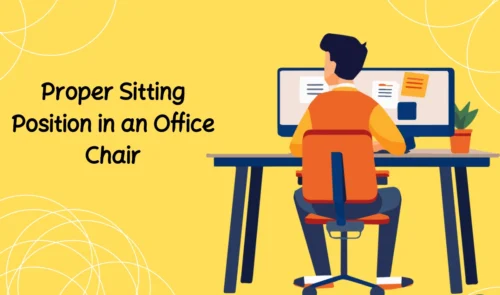
For a full head-to-toe setup covering the screen, keyboard and armrests, see our guide on how to sit properly in an office chair.
What Can You Sit On to Relieve Sciatica Pain
The best thing to sit on with sciatica is a supportive chair with good lower back support, with a pressure-relieving seat cushion added if the seat is hard, flat or too low. Soft sofas, deep couches and stools with no back support usually make it harder to keep a comfortable position. No seat can treat the cause of sciatica, but the right one can reduce pressure, support your posture and make sitting more tolerable while you recover.
Here is how the most common options compare.
| What you sit on | How it may help | Things to watch |
|---|---|---|
| Chair with lumbar support | Supports the curve of the lower back and encourages a neutral position | Check that the support sits at your lower back, not higher |
| Lumbar roll or rolled towel | A low cost way to add support to a flat backrest | Needs repositioning as you move |
| Pressure relieving seat cushion | Spreads weight more evenly and softens a hard seat | Quality varies, and it cannot fix the underlying cause |
| Footrest | Keeps your feet supported and your thighs level when the seat is high | Make sure it is stable and wide enough for both feet |
| Sit stand desk | Lets you alternate between sitting and standing | Standing all day brings its own fatigue, so alternate |
| Soft sofa or deep armchair | Feels comfortable at first | Often lets you sink, slouch and lose back support |
Start With a Supportive Chair
Before you add anything, check the chair. Seat height, backrest position and where your feet rest matter more than any accessory. If you need a full setup guide, start with our checklist on how to sit properly in an office chair and then add a cushion only if something is still missing.
Where a Seat Cushion Can Help
A seat cushion can make a hard or flat seat more comfortable by spreading your weight across a larger area, which may reduce pressure under the buttocks and behind the thighs. It can also add a little height to a low seat. For many people with sciatica, that is enough to make a work day or a drive easier to get through.
It helps to be realistic about what a cushion does not do. A cushion is a comfort and support tool, not a treatment. It will not shrink a herniated disc, calm an inflamed nerve or replace physical therapy, movement breaks or medical advice. Use it alongside the other steps in this guide.
What to Look for in a Seat Cushion for Sciatica
If you decide to try one, these features matter most.
- High density memory foam. Soft foam can flatten under body weight, so look for a firmer foam that keeps its shape through a long day.
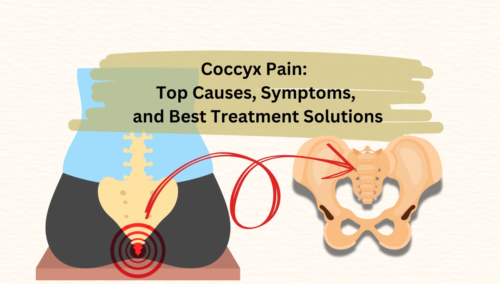
- A comfortable shape for your body. A U shaped or coccyx cutout takes pressure off the tailbone, which helps if you also have tailbone pain, while a solid base may suit you better if your main problem is the buttock and leg. Try the shape and keep it only if it feels better.
- A non slip base. A cushion that slides around makes you shift and tense up.
- The right size. It should fit your seat without hanging over the edges, and be wide enough to support both sit bones evenly.
- A washable cover. You will use it daily, so it should be easy to clean.
- The right height. A thick cushion on a high chair can lift your feet off the floor, so check that your feet still rest flat or add a footrest.
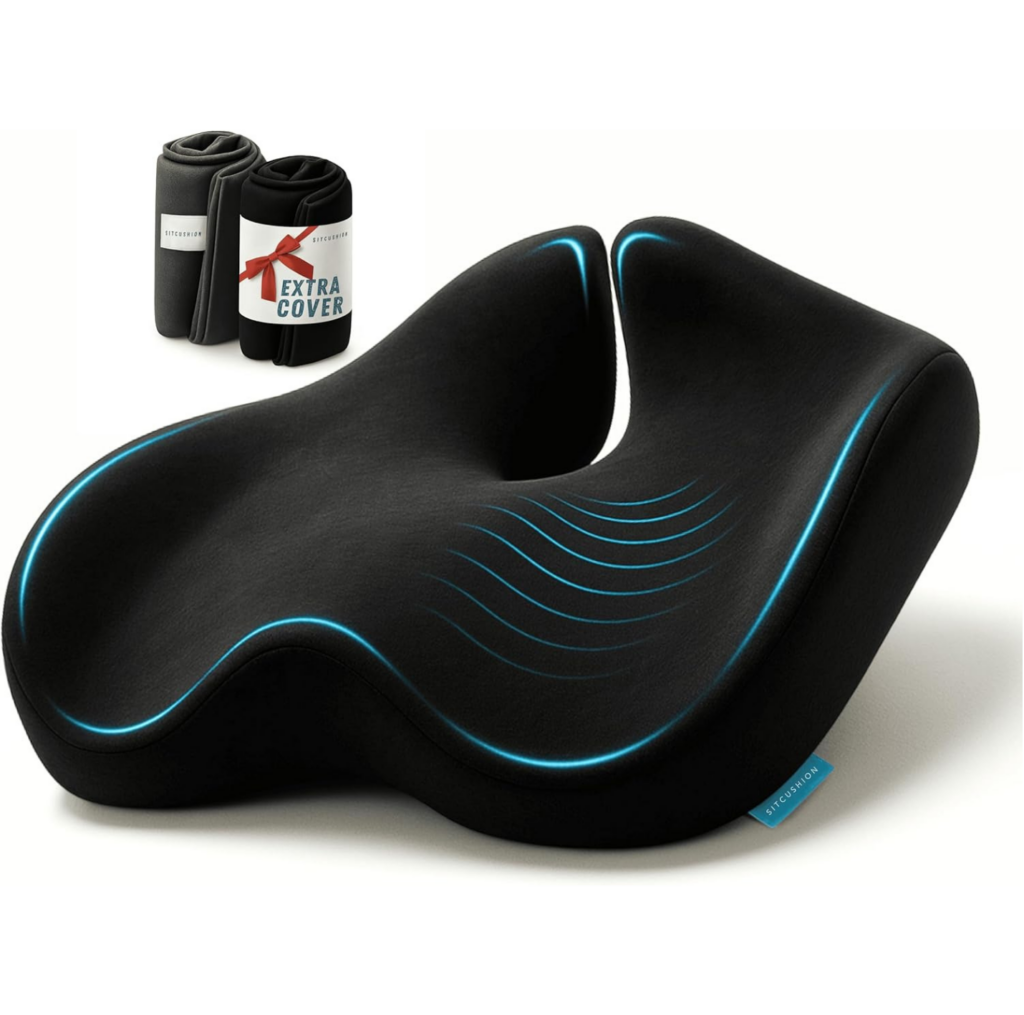
The sitcushion Office Seat Cushion is a memory foam cushion built for pressure relief and all day comfort. It has a U shaped coccyx cutout, a non slip base, a removable washable cover and a lifetime money back guarantee, and it measures 17.5 x 20 x 5 inches. For driving, the sitcushion Car Seat Cushion is designed for long hours behind the wheel. sitcushion products are designed for ergonomic support and comfort and are not medical devices, so they do not diagnose, treat, cure or prevent any condition.
If you want to compare options in more detail, read our full guide to the best seat cushion for sciatica pain relief. If your pain is mainly at the base of the spine, our guide to a coccyx cushion for tailbone pain explains the difference. For long drives, see our guide to the best car seat cushion for back pain.
Seating Habits That Help Whatever You Sit On
Even the best seat cannot work against a long stretch of sitting. Pair it with these habits.
- Stand up or walk about every 30 minutes, even for a minute or two.
- Change position often, shifting your weight and adjusting the backrest angle.
- Keep your wallet and phone out of your back pockets.
- Do not stay in one position when it starts to hurt, because pushing through it can make the flare last longer.
Heat, Ice and Gentle Movement for Sciatica Relief

Heat packs, cold packs and gentle movement are simple home measures that many people with sciatica find helpful. They will not fix the cause of the pain, but they can ease muscle tension and make sitting more comfortable while the nerve calms down.
- Heat or cold. Use whichever feels better on your lower back or buttock, for up to 15 minutes at a time. Always wrap the pack in a cloth and never place it directly on your skin.
- Keep moving. Staying inactive can make symptoms worse, so short walks and light activity are usually better than long bed rest. Mayo Clinic notes that resting for a day or so may give relief, but staying inactive will not help in the long run.
- Try gentle stretches. Easy movements such as nerve glides, a seated figure four stretch and seated knee rocking are often suggested by physical therapists. The NHS exercises for sciatica page shows safe options to start with.
- Go slowly. Stop any movement that sends sharp pain down your leg or makes your symptoms worse, and ask a physical therapist for guidance if you are unsure.
For more home relief ideas, including stretching, yoga and heat and cold therapy for the lower back, read our full guide on easing lower back pain at home.
Medical Treatments for Sciatica
Most sciatica improves with time and self-care, but if it does not, a doctor or physical therapist can offer more targeted treatment. Cleveland Clinic reports that many cases ease within four to six weeks and that most people with sciatica get better without surgery. If symptoms are severe or lasting, the options below are usually tried in order, starting with the least invasive.
| Option | What it involves | Good to know |
|---|---|---|
| Physical therapy | Guided exercises and stretches to reduce pressure on the nerve and strengthen the back and core | Often the first treatment doctors recommend |
| Over the counter pain relief | Medicines such as ibuprofen or naproxen may help some people | Evidence is mixed for sciatica, so ask a pharmacist or doctor what suits you |
| Prescription medicines | Stronger anti-inflammatory drugs, or a short course of corticosteroids | Prescribed by a doctor for pain that does not settle |
| Epidural steroid injection | An injection near the irritated nerve root to reduce inflammation | Usually considered for severe pain that has not improved |
| Surgery | An operation such as a discectomy to relieve pressure on the nerve | Reserved for severe weakness, bladder or bowel changes, or pain that does not improve after weeks of other treatment |
- Massage, acupuncture and chiropractic care. Some people find these relaxing, but the evidence for sciatica is mixed. They are best used as part of a wider plan that includes movement and exercise, not as the only treatment.
- Talk to a doctor early if you are worried. Mayo Clinic advises contacting a healthcare professional if self-care does not ease your symptoms, or if the pain is severe, gets worse or lasts longer than a week.
For a broader overview of back pain causes, diagnosis and treatment options, read our guide to severe back pain treatment, diagnosis and methods.
Red Flags, When to See a Doctor Right Away

Most sciatica is painful but not dangerous, and it usually improves with time and self-care. A small number of cases involve serious nerve compression that needs treatment quickly, so it helps to know the warning signs before you need them.
Go to the emergency room if you have
Rarely, sciatica comes with a condition called cauda equina syndrome, where the bundle of nerves at the base of the spine is squeezed. It is a medical emergency. According to NHS guidance on back pain, you should get emergency care straight away if back pain comes with any of the following.
- Pain, tingling, weakness or numbness in both legs
- Numbness or loss of feeling around your genitals, inner thighs or anus
- New bladder or bowel problems, such as trouble passing urine, not feeling when your bladder is full, or losing control
- Chest pain
Mayo Clinic also lists sudden numbness or muscle weakness in a leg and pain after a violent injury, such as a car accident, as reasons to get immediate medical care. Do not wait to see if these symptoms pass, because acting quickly can protect your nerves.
Book a doctor visit soon if
- Your pain is severe, getting worse or has lasted longer than a week
- You have tried self-care for a few weeks and it is not getting better
- Your leg or foot feels weaker than usual, for example you trip or find it hard to lift the front of your foot
- You have fever, chills or night sweats along with back pain
- The pain keeps you from working, sleeping or doing your normal day
Some of these signs can look alarming, but they are rare. If you are unsure, it is always fine to call a doctor or nurse line and ask.
Frequently Asked Questions About Sciatica and Sitting
What does sciatica pain feel like when you sit?
Sciatica usually feels like a sharp, burning or electric shock type pain that starts in the buttock and runs down the back of one leg. Some people also feel tingling, numbness or weakness in the leg or foot. The pain can range from a mild ache to a sudden jolt, and it often gets worse when you sit for a long time, cough or sneeze.
How can I tell if it is sciatica or just lower back pain?
Sciatica pain travels from the lower back or buttock down the leg, sometimes as far as the foot, while ordinary back pain stays in the back. With sciatica, the leg pain is often worse than the back pain, and it may come with pins and needles or numbness. If you only have pain in your lower back and nothing in the buttock or leg, it is probably not sciatica.
Can sitting for long hours cause sciatica?
Sitting alone rarely causes sciatica directly, but long hours of sitting can raise your risk. Sciatica is usually caused by a herniated disc or a bone spur pressing on a nerve root in the lower spine. Mayo Clinic lists prolonged sitting and low activity as risk factors for herniated discs, and a job with a lot of driving or sitting can add to the strain. Regular movement and a supportive seat lower that risk.
Why do I feel sciatica pain on one side only?
Sciatica usually affects only one side because the nerve root is pinched or irritated on that side of the spine. A herniated disc, for example, often presses on one nerve root at a time. Pain, numbness or weakness in both legs is different, because it can be a sign of a serious nerve problem called cauda equina syndrome. If that happens, go to the emergency room straight away.
Can piriformis syndrome feel like sciatica when sitting?
Yes, a tight or irritated piriformis muscle deep in the buttock can cause pain that feels very similar to sciatica, and it often gets worse after sitting for a long time. The sciatic nerve runs close to this muscle, and in some people the muscle may press on it. You cannot tell the two apart on your own, so ask a doctor or physical therapist to check, because the treatment can be different.
How long should I wait before seeing a doctor for sciatica?
See a doctor within about a week if your pain is severe or getting worse, and after a few weeks if self-care is not helping. Mayo Clinic advises calling a healthcare professional if self-care does not ease your symptoms, or if the pain is severe, gets worse or lasts longer than a week. Do not wait at all if you have leg weakness, numbness around your genitals, or any bladder or bowel changes.
Is heat or ice better for sciatica pain?
Neither is clearly better, so use whichever feels better for you. NHS hospital guidance suggests applying a heat or ice pack for up to 15 minutes, with a cloth between the pack and your skin. Heat tends to feel good on tight, stiff muscles, and cold can feel good on a fresh flare. If one makes the pain worse, stop and try the other.
Can I take ibuprofen for sciatica?
Ibuprofen and similar anti-inflammatory medicines may help some people, but the evidence for sciatica is mixed. Mayo Clinic says they are sometimes helpful when used as directed, while NHS guidance says it is not clear how much they help and that paracetamol is unlikely to. Ask a pharmacist or doctor first, especially if you have stomach, kidney or heart problems, take blood thinners or are pregnant.
Which stretches are safe to do while sitting with sciatica?
Gentle seated stretches such as a figure four stretch, seated knee rocking and nerve glides are commonly suggested by physical therapists. For a figure four stretch, cross one ankle over the opposite knee and lean forward very slightly until you feel a mild stretch in the buttock. Move slowly, never bounce, and stop at once if you feel sharp pain, tingling or pain shooting down your leg. A physical therapist can show you the right movements for your case.
Do I need an MRI for sciatica?
Most people with sciatica do not need an MRI at first. NHS guidance says scans are not always needed to find the cause of your pain or to help your recovery, and Cleveland Clinic notes that tests are usually not done right away unless symptoms are severe or getting worse. A doctor will usually order one if you have warning signs, if your pain does not improve after weeks of treatment, or if surgery or an injection is being considered.
Bottom Line
Sitting with sciatica gets easier when you support your lower back, keep your feet flat, change position about every 30 minutes and use heat or gentle movement when the pain flares. If your seat is hard, flat or too low, a pressure-relieving cushion can make long hours more comfortable, though it will not treat the cause of the pain.
Most sciatica improves within weeks, so start with the simple changes in this guide and give them time. See a doctor if the pain is severe, keeps getting worse or does not improve after a few weeks. Get emergency care straight away for leg weakness, numbness around the groin or any bladder or bowel changes.
If you want help choosing a cushion for sitting, driving or working, our guide to the best seat cushions for pain relief compares options by pain type. You can also browse more practical guides in our Knowledge Center.