






Coccyx Cushion for Tailbone Pain Relief (How It Works and How to Choose One)
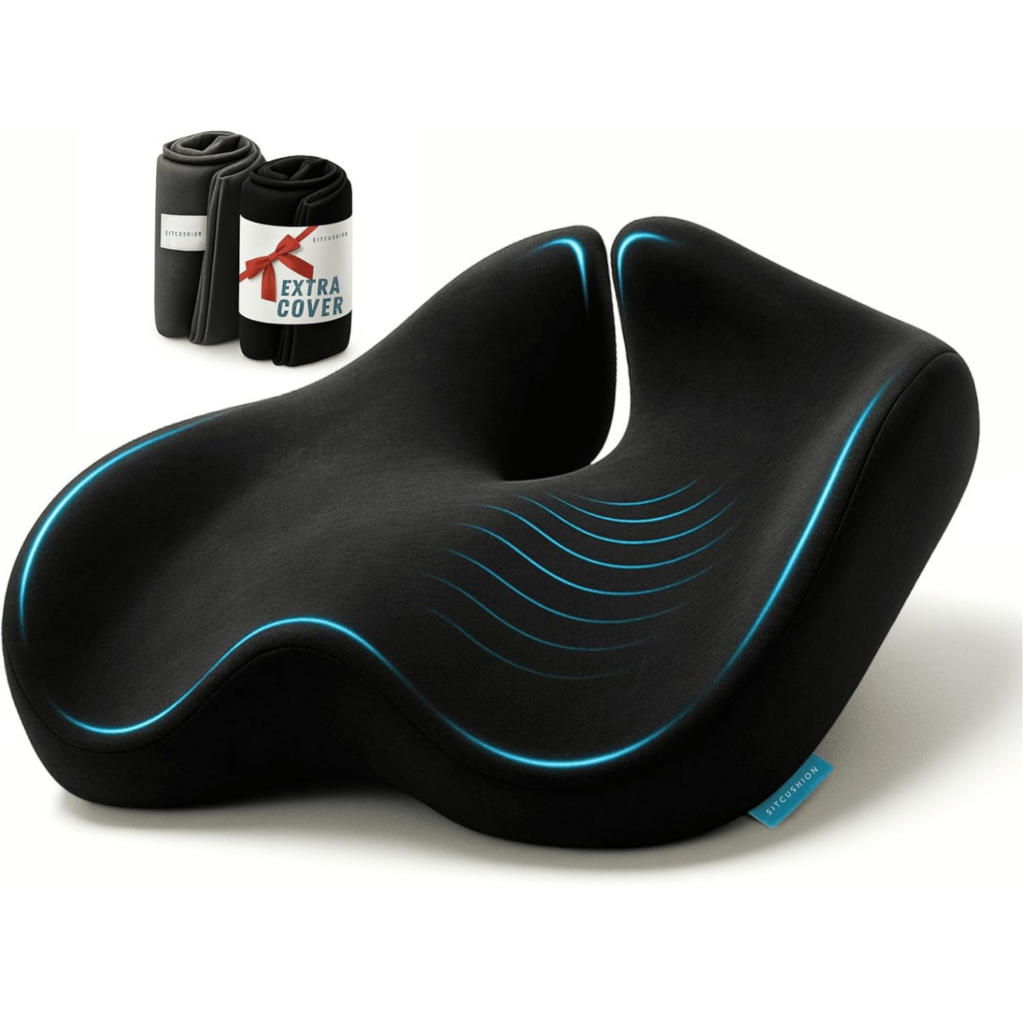
A coccyx cushion is a firm seat cushion with a cutout at the back that keeps your tailbone from touching the seat, so your body weight rests on your sit bones and thighs instead. For tailbone pain that gets worse when you sit, it is one of the simplest first steps. Mayfield Clinic describes a shaped cushion with a cutout under the coccyx as a common first-line nonsurgical treatment, and the NHS lists a coccyx cushion among its self-care steps for tailbone pain.
This guide covers how a coccyx cushion works, how to sit on one correctly, and how to choose the right size, thickness and firmness for your seat. Sitcushion makes seat cushions, so our own models appear as examples, and we describe only what each design actually does. A cushion is a comfort tool, not a medical treatment, so if your pain is severe or keeps getting worse, see a doctor.
What Is a Coccyx Cushion and What Is It Used For
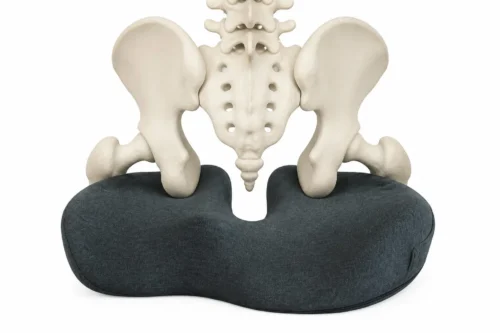
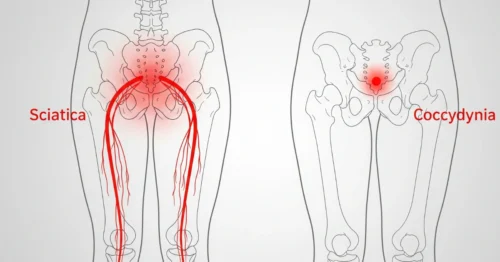
A coccyx cushion, also called a tailbone cushion or coccyx pillow, is a seat cushion with a rear cutout designed for people whose tailbone hurts when they sit. The medical term for that pain is coccydynia. The cutout is usually a U-shaped or V-shaped opening, and it is the feature that separates a true coccyx cushion from an ordinary flat seat pad.
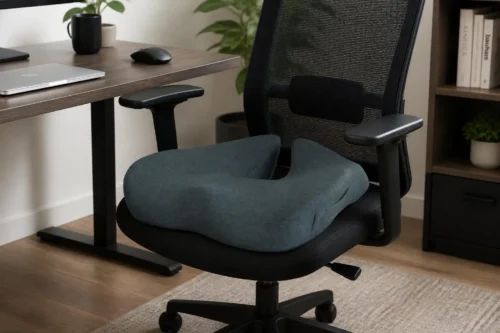
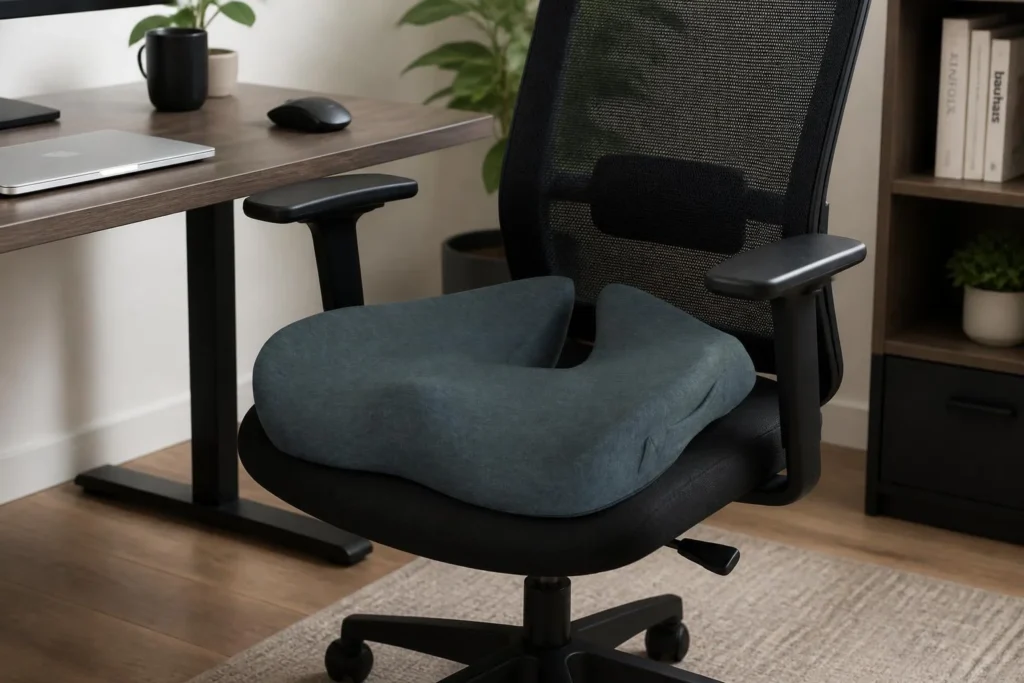
People use these cushions on office chairs, car seats, dining chairs and other flat, firm seats, wherever they sit long enough for the pain to build. Common situations include long desk hours, daily commutes, sitting through meals, and recovering from a fall or bruised tailbone while still needing to sit. A coccyx cushion is a seating product, so it is not made for sleeping or lying down.
If you are unsure what is causing your pain, read our guide to coccyx pain causes, symptoms and treatment. This article stays focused on the cushion itself.
How a Coccyx Cushion Works
A coccyx cushion works by suspending the tailbone over an open cutout and shifting your body weight onto the sit bones and thighs. The sit bones (ischial tuberosities) are the two rounded bones in the pelvis that are built to carry your weight when you sit, while the coccyx is a small bone at the base of the spine that was not designed to bear load. A good cushion puts the weight where it belongs and leaves the tailbone unloaded.
Three design features decide whether a coccyx cushion does this well.
The cutout removes direct contact between the coccyx and the seat. Its size matters, because an opening that is too small lets the tailbone brush the foam, and one that is too large leaves too little support under the sit bones. Firm, resilient foam keeps the cutout effective. A soft cushion collapses under your body weight, and the tailbone then drops back onto the seat, which cancels the benefit. A wedge profile, found on some designs, tilts the pelvis slightly forward, which is common in cushions made for car seats.
The evidence supports cushions as part of conservative care, but it does not show that they cure tailbone pain. StatPearls, a clinical reference on coccyx pain, lists cushioning devices among first-line conservative treatments, together with anti-inflammatory medication, physical therapy and activity modification. A clinical review of coccydynia reports that conservative treatment succeeds in about 90% of cases and that many cases resolve without medical treatment. In practice, a cushion reduces the pressure that aggravates the pain while the tailbone recovers.
Coccyx Cushion vs Donut Cushion
For tailbone pain, a cutout cushion is generally a better fit than a donut cushion. The same clinical review notes that circular cushions can put pressure on the coccyx by isolating it between the sit bones, and that they are more useful for rectal pain. A donut cushion suits hemorrhoid, post-surgery and postpartum sitting, where the goal is to keep pressure off the area at the center of the ring. Our donut vs coccyx cutout guide explains how to choose between the two.
How to Use a Coccyx Cushion
To use a coccyx cushion correctly, place it on a firm seat with the cutout at the back, sit all the way back so your tailbone hangs over the opening, and keep your back supported. Placement and posture decide most of the result, and a good cushion used badly can still leave your tailbone sore.
How to Sit on a Coccyx Cushion
Put the cushion on a firm, flat seat such as an office chair, car seat or dining chair, with the open end of the cutout facing the backrest. Sit down and slide back until your hips touch the backrest. Your tailbone should now hang over the opening, and you should feel your weight on your sit bones and thighs, with no pressure at the base of your spine.
Then check your position. Keep your back supported by the chair, because slouching on a cushion puts the strain back on your lower back. Your feet should rest flat on the floor and your knees should sit about level with your hips. Your arms should still reach your desk or steering wheel comfortably.
Adjust Your Seat Height After Adding a Cushion
A coccyx cushion raises your seat, so re-check your setup the first time you use it. Thickness varies a lot between designs. Our Office Seat Cushion is about 5 inches thick, which can leave your feet off the floor or your desk too low. Lower your chair, add a footrest, or raise your desk if you can. In a car, re-check your steering wheel distance and seat belt fit.
Common Mistakes That Cancel the Benefit
Two mistakes undo most of what a coccyx cushion offers. Sitting too far forward lets the tailbone land on the foam instead of the opening, so slide back until your hips meet the backrest. Using it on soft seating such as a sofa or deep recliner lets the cushion sink, and the tailbone touches the surface again. Choose a firm, flat seat whenever you can.
A cushion that slides has the same effect, because the cutout drifts away from your tailbone each time you sit down or stand up. A non-slip base keeps it in place, and it is worth checking before you buy.
How Long to Sit and How Long to Get Used to It
Sit for about 30 to 60 minutes at a time, then stand, walk and change position. A cushion reduces pressure on the tailbone but does not replace movement. Give a new cushion a week or two to get used to, because firm foam can feel unfamiliar at first and your body also adjusts to a new sitting position. If your pain gets worse instead of better, or you notice numbness, stop using the cushion and talk to your doctor.
How to Choose the Right Coccyx Cushion
The right coccyx cushion fits your seat, keeps its shape under your body weight, and leaves your feet flat and your knees level with your hips. Shape comes first, because only a cushion with a rear cutout keeps the tailbone off the seat. The checks below then decide whether a cushion of that shape will work for you.
| What to check | What to look for |
|---|---|
| Seat type | A firm, flat seat such as an office chair, car seat or dining chair |
| Size | Covers the seat without hanging over the edges |
| Cutout | Large enough to leave the tailbone fully clear, with support left under the sit bones |
| Firmness | Foam that springs back and does not compress fully under your weight |
| Thickness and profile | Low enough to keep your feet flat and your setup comfortable, flat or wedge by need |
| Base and cover | Non-slip base, removable, washable, breathable cover |
Start With the Seat You Will Use It On
Most coccyx cushions work best on a firm, flat seat. On a soft sofa or a deep recliner the cushion sinks, which cancels the pressure relief. Look at the width, depth and slope of your seat before you buy, because a deeply bucketed car seat or a steeply sloped seat can push a flat cushion out of position. If you plan to use one cushion in several places, such as a desk chair and a car, choose a model with a carrying handle and check that it suits each seat.
Match the Size to Your Seat
A cushion should cover your seat without hanging over the edges. Measure the seat’s width and depth and compare them with the listed size of the cushion. One that is too large bunches up or slides, and one that is too small leaves your thighs unsupported and can shift the cutout away from your tailbone.
Check the Cutout
The cutout must leave the tailbone completely clear while the sit bones and thighs stay supported. If the opening is too small, the coccyx can still touch the foam. If it is too large, too little foam remains under the sit bones. Look at the cutout dimensions or photos before you buy, and check that the opening sits at the back of the cushion rather than the middle, where a donut-style ring would put it.
Choose Firmness and Foam
Firmness should match your body weight. A cushion that is too soft collapses and stops relieving pressure, while one that is too firm can create new pressure points. Heavier sitters generally need firmer, higher-resilience foam, and lighter sitters may find very firm cushions uncomfortable.
Try the 15-minute check. Sit on the cushion on a hard chair for about 15 minutes. If the foam compresses fully or you notice new pressure points, choose a firmer or thicker option. Memory foam molds slowly to your shape and spreads pressure well, though it can feel warm in long sessions. High-resilience foam feels springier and molds less closely, which suits people who find memory foam too soft. For a closer look at foam quality and warning signs of a short-lived cushion, see our guide to assessing seat cushion durability.
Mind Thickness and Wedge Shape
A thicker cushion raises your seat height, so check how it changes your setup. After adding any cushion, your feet should rest flat on the floor or a footrest, your knees should sit about level with your hips, and your arms should still reach your desk or steering wheel comfortably.
A flat profile suits most desk and dining chairs. A wedge profile tilts the pelvis slightly forward and is common in car seat cushions, but it affects people differently. Some find it helps them sit more upright, while others find it arches the lower back. If a wedge makes you slide forward or your pain increases in the first few days, switch to a flatter profile.
Look at the Base, Cover and Return Terms
A non-slip base and a removable, washable, breathable cover deserve a check before anything else on the spec sheet. A base that grips keeps the cutout under your tailbone instead of drifting, and a breathable cover helps if you run warm. You will also see the word orthopedic on many listings, but for seat cushions it is a marketing term rather than a regulated certification, so judge a cushion by its actual shape, firmness and size. Before you buy, read the return terms and what the warranty actually covers, since a cushion that does not fit your seat or body is easy to buy and hard to know in advance. Our guide to 7 reasons to avoid buying any seat cushion covers the most common buying mistakes.
Sitcushion Coccyx Cushion Options
Sitcushion makes two coccyx cutout cushions, the Office Seat Cushion for desk chairs and the Car Seat Cushion for driving. Both have a U-shaped coccyx cutout, memory foam, a non-slip base and a removable, washable cover. Both work best on firm, flat seats and are ergonomic comfort products, not medical devices.
| Model | Size | Key features | Best for |
|---|---|---|---|
| Office Seat Cushion | 17.5″ x 20″ x 5″ | U-shaped coccyx cutout, charcoal-infused memory foam, carrying handle, non-slip base, removable washable cover, Cooling Black option | Long desk hours on a firm office chair |
| Car Seat Cushion | 18″ x 20″ x 4″ | U-shaped coccyx cutout, angled wedge profile, carrying handle, anti-slip rubber base with no straps, removable washable cotton cover | Daily commutes and long drives in sedans, hatchbacks and compact SUVs |
Office Seat Cushion
The Office Seat Cushion combines a U-shaped coccyx cutout with charcoal-infused memory foam, a carrying handle and a non-slip base. The cover is removable and washable, and a Cooling Black version is available for people who run warm during long sitting sessions. It suits long desk hours on a firm office chair. At about 5 inches thick, it raises your seat height, so check that your feet still rest flat on the floor and that your desk height still works. It is less suited to low desks where you cannot adjust your chair.
Car Seat Cushion
The Car Seat Cushion pairs the same U-shaped coccyx cutout with an angled wedge profile, a carrying handle and an anti-slip rubber base that needs no straps. The cover is removable, washable and made of cotton. It suits daily commutes and long drives in standard sedans, hatchbacks and compact SUVs. It adds seat height, so re-check your steering wheel distance and seat belt fit after adding it. It is not designed for extra-deep bucket seats or bench-style truck seats, and tall drivers or drivers of large SUVs and pickups may need to lower the seat to keep a comfortable position.
Which Sitcushion Cushion Should You Choose
Choose the Office Seat Cushion if you sit mostly at a desk, and the Car Seat Cushion if most of your sitting happens behind the wheel. If you split your time between the two, pick the seat where your pain is worst, or consider one of each, since moving a cushion between chairs often shifts it out of position. If you need a cushion for hemorrhoid, post-surgery or postpartum sitting rather than tailbone pain, our donut cushions are made for that purpose. You can compare every model on our seat cushion page.
How to Care for a Coccyx Cushion
Wash the removable cover on a gentle, cold cycle following the care label, and never put the foam core in the washing machine. Moisture and harsh detergents break down foam, which makes the cushion collapse sooner and defeats the cutout. High heat in the dryer can also shrink the cover, so let it air dry or use a low setting if the label allows.
If the foam core gets damp or dirty, spot clean it lightly with mild soap and a damp cloth, then let it dry completely before putting the cover back on. Take the cover off now and then and let the foam air out in a well-ventilated room, and keep the cushion out of direct sunlight and away from heat sources, which can damage the foam over time.
When to Replace Your Coccyx Cushion
Replace the cushion when it no longer holds its shape or stops relieving pressure. The warning signs are foam that bottoms out so your tailbone sinks toward the seat, a dip that does not spring back after you stand up, and pain that returns after the cushion used to help. With everyday use, a seat cushion typically lasts about 2 to 5 years, and thinner portable cushions tend to wear faster.
When a Coccyx Cushion Is Not Enough
See a doctor if your tailbone pain is severe, keeps getting worse, or has not improved after a few weeks of home care. A cushion reduces pressure on the tailbone, but it does not diagnose or treat the cause of the pain. The NHS advises seeking medical advice if tailbone pain has not improved after a few weeks of treating it at home, if it affects your daily activities, or if you have a high temperature together with tailbone pain and pain in another area such as your abdomen or lower back.
Numbness or weakness in a leg, or changes in bowel or bladder control, need prompt medical attention. These can be signs of a nerve problem that a cushion cannot address.
Pain that shoots down the leg deserves a proper assessment too. Mayfield Clinic lists sciatica among the conditions that can mimic coccydynia, so the pain you feel at the base of the spine may not come from the tailbone at all. Our sciatica and tailbone cushion guide explains how the two differ and how cushion needs change when sciatica is involved.
Frequently Asked Questions About Coccyx Cushions
What is a coccyx cushion?
A coccyx cushion is a firm seat cushion with a cutout at the back that keeps the tailbone from touching the seat. It moves your weight onto the sit bones and thighs and is used for tailbone pain that gets worse when sitting.
How do you sit on a coccyx cushion?
Place the cutout at the back of a firm seat, sit all the way back, and let your tailbone hang over the opening. Keep your back supported, your feet flat on the floor and your knees about level with your hips.
What is the best type of cushion for tailbone pain?
A firm cushion with a rear cutout or U-shaped opening is the most common choice for tailbone pain. It keeps the coccyx off the seat. Look for firm foam that does not collapse, a size that fits your chair and a non-slip base.
Can you use a coccyx cushion for sleeping?
No, a coccyx cushion is designed for sitting, not for sleeping or lying down. If lying down is uncomfortable, many people find that a pillow between the knees helps when sleeping on their side. If tailbone pain disturbs your sleep, talk to your doctor.
Is a coccyx cushion better than a donut cushion?
For tailbone pain, usually yes, because a cutout leaves the tailbone fully suspended while a ring can press on the coccyx. Donut cushions suit hemorrhoid, post-surgery and postpartum sitting. Our donut vs coccyx cutout guide compares the two in detail.
Can a coccyx cushion make tailbone pain worse?
Yes, if it is too soft, too thick for your chair, the wrong size or placed incorrectly. Common causes are foam that bottoms out, a cushion that slides, or sitting too far forward. If your pain increases, switch to a firmer or flatter option, or stop using it and ask a clinician.
How long should you sit on a coccyx cushion at a time?
Sit for about 30 to 60 minutes, then stand, walk and change position. A cushion reduces pressure on the tailbone but does not replace movement.
Can you use a coccyx cushion during pregnancy?
Many people use a cutout cushion for tailbone pressure during pregnancy, but talk to your doctor or midwife about pain that is severe or comes with other symptoms. Our pregnancy seat cushion guide covers office, car and home use.
Conclusion
A coccyx cushion can make sitting with tailbone pain more tolerable by keeping the tailbone off the seat, as long as the cutout, firmness, size and placement are right. It works best alongside regular movement and, where needed, medical advice. Compare Sitcushion models on our seat cushion page to find the cushion that fits your chair.
Sitcushion products are ergonomic comfort products, not medical devices, and are not intended to diagnose, treat, cure or prevent any condition.