







Seeing blood on the toilet paper or in the toilet bowl is alarming, and it is natural to fear the worst. In most cases the cause is bleeding hemorrhoids, which are swollen veins in the lower rectum or around the anus that bleed when a hard stool irritates them. But blood after a bowel movement should never be assumed to be hemorrhoids, because other conditions can cause rectal bleeding too, and some of them are serious.
This guide helps you read what you are seeing. You will learn what hemorrhoid bleeding usually looks like, how much blood is common, how long it tends to last, which signs mean you should call a doctor, and when to go to the emergency room. If you want the full list of ways to ease a flare-up, read our guide to fast hemorrhoid relief at home.
Quick Answer
Bleeding hemorrhoids usually cause a small amount of bright red blood on toilet paper or in the toilet after a bowel movement, often with little or no pain. With home care, pain and bleeding often improve within about a week. See a healthcare professional if the bleeding is new, keeps coming back, or does not improve after a week, and especially if your bowel habits or stool color have changed. Go to the emergency room for large amounts of blood, or for bleeding together with dizziness, lightheadedness or fainting.
This guide is general information and not a diagnosis. Only a healthcare professional can tell you where the bleeding is coming from.
What Bleeding Hemorrhoids Look Like and What the Color Means
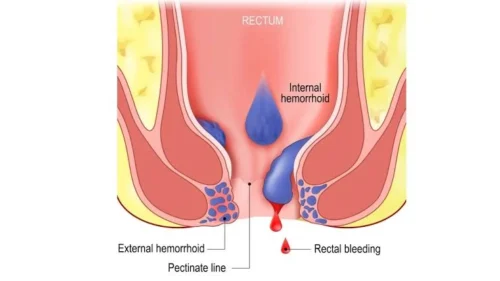
Bleeding hemorrhoids usually look like a small, surprising amount of blood and not much else. Blood from the rectum is usually bright red, although it can sometimes be dark maroon, and it may show up on toilet paper, on the surface of the stool or in the toilet bowl. Internal hemorrhoids tend to bleed without pain, while external hemorrhoids are more likely to cause pain, itching and swelling and bleed less often. If you are not sure which type you have, our guide to internal and external hemorrhoids explains the difference.
Because several conditions can cause rectal bleeding, the color, amount and pattern of the blood are useful clues. Use this table as a guide, and remember that it cannot replace an exam.
| What you see | What it may mean | What to do |
|---|---|---|
| Small streaks of bright red blood on toilet paper, on the stool surface or a few drops in the bowl, with little or no pain | The most typical pattern of bleeding hemorrhoids | Keep stools soft and the area clean. Mention it to a healthcare professional if it is the first time or it does not improve within a week |
| Bright red blood with sharp pain during or after a bowel movement | Could be a hemorrhoid or an anal fissure, a small tear in the lining of the anus | See a healthcare professional if it lasts or keeps returning |
| Blood mixed through the stool, or dark red or maroon blood | Less typical for hemorrhoids, and the bleeding may come from higher in the colon | Book an appointment soon and do not wait for it to pass |
| Black, tarry, sticky stool | May be a sign of bleeding higher in the digestive tract | Seek medical help right away |
| Heavy bleeding, a bowl that turns red, large clots, or bleeding with dizziness, fainting, a fast heartbeat or cold, pale, clammy skin | Possible heavy blood loss | Seek emergency care immediately |
| Bleeding that keeps returning, or comes with a change in bowel habits or in stool color or consistency | Needs a proper diagnosis, because hemorrhoids are not the only cause | Make an appointment and get it checked |
How Much Blood Is Normal With Hemorrhoids
With hemorrhoid bleeding, the amount is usually small. Typical signs are a few streaks on the tissue, a few drops in the bowl or a thin coating of blood on the stool. A few drops can tint the toilet water pink, which often looks like much more blood than there really is.
Some patterns are not typical for hemorrhoids and should not be waved away. These include blood that fills the bowl, clots, blood that is mixed in with the stool, and bleeding that happens often or gets heavier over time.
How Long Does Hemorrhoid Bleeding Last
Bleeding from a mild flare-up usually settles within about a week as the irritation calms down, which is why a week is the usual point at which to ask for help. If the bleeding lasts longer than that, comes back often or gets heavier, see a healthcare professional instead of waiting. For ways to calm a flare-up in the meantime, see our guide to fast hemorrhoid relief at home.
What to Tell Your Doctor About the Bleeding
A few details make the visit faster and more useful. Note when the bleeding started, the color and amount, whether it happens only with bowel movements, and whether you have pain, a lump, dizziness or a change in your bowel habits. Also mention any blood thinners, aspirin or anti-inflammatory medicines you take.
Other Causes of Rectal Bleeding That Can Look Like Hemorrhoids
Hemorrhoids are the most common cause of bright red blood after a bowel movement, but they are not the only one. Mayo Clinic warns against assuming that rectal bleeding comes from hemorrhoids, especially when your bowel habits or stool color have changed. The same bright red blood can come from a small tear, a growth in the colon or inflammation of the bowel, and the color alone cannot tell them apart.
| Condition | How the bleeding usually looks | Other clues |
|---|---|---|
| Hemorrhoids | Small amounts of bright red blood on tissue, the stool surface or in the bowl | Internal hemorrhoids are often painless. External ones may itch, swell or form a lump |
| Anal fissure | Small streaks of bright red blood | Pain during and after a bowel movement, caused by a small tear in the lining of the anus |
| Colon polyps | Occasional blood in the stool, though many polyps cause no symptoms at all | Often found only during screening |
| Inflammatory bowel disease (Crohn’s disease, ulcerative colitis) | Blood, sometimes with mucus | Ongoing diarrhea, belly cramps, urgent bowel movements |
| Diverticular disease | Sometimes a sudden, larger amount of red or maroon blood | May be painless, which is why it should always be checked |
| Colorectal or anal cancer | Blood in or on the stool | Change in bowel habits, belly pain, unexplained weight loss, tiredness |
Hemorrhoid or Anal Fissure
These two are the easiest to confuse because both cause bright red blood, itching and pain. A hemorrhoid is a swollen vein, while a fissure is a tear in the lining of the anus. A fissure typically hurts during and after a bowel movement, while internal hemorrhoids often bleed without pain. Both are linked to hard stools and straining, and both are diagnosed with a simple exam. If keeping your stools soft is the first step for you, our high-fiber hemorrhoid diet guide shows how to do it.
Why Age Alone Should Not Reassure You
Many people assume that bleeding in a younger adult must be hemorrhoids. Colorectal cancer is being diagnosed more often in adults under 50, so a new pattern of bleeding is worth checking at any age. Treat bleeding as a reason to book a visit if you are 45 or older, have a family history of colorectal cancer, have inflammatory bowel disease, or have bleeding together with tiredness, weight loss or a change in your bowel habits.
It is also possible to have hemorrhoids and another condition at the same time. A doctor can usually tell what is going on with a visual and digital rectal exam, and may add an anoscopy or a colonoscopy if your symptoms or risk factors call for it. We cover when to see a doctor and what to expect in the next section.
When to See a Doctor and When to Go to the Emergency Room

Most bleeding hemorrhoids are minor, but a few situations need fast action. Use the table below to decide how urgent your situation is. If you are ever unsure, it is safer to call a healthcare professional than to wait.
| What you notice | What to do |
|---|---|
| Large amounts of blood, a toilet bowl that turns red, or large clots | Go to the emergency room or call 911 right away |
| Bleeding with dizziness, lightheadedness, fainting, confusion, fast breathing or heartbeat, or cold, pale, clammy skin | Call 911 right away, because these can be signs of heavy blood loss |
| Bleeding that will not stop, or bleeding with severe belly pain or cramps | Go to the emergency room |
| Black, tarry stool | Get medical care the same day |
| Severe anal pain with bleeding, especially with belly pain, diarrhea or fever | Call your healthcare provider the same day |
| A hard, very painful, bluish or purple lump near the anus | Call a doctor promptly. Our 72-hour guide explains why timing matters |
| Bleeding while taking blood thinners, or bleeding that lasts longer than expected | Call your healthcare provider, since blood thinners can make bleeding last longer |
| Fever and chills, nausea or vomiting, or constipation or diarrhea that does not go away | Call your healthcare provider |
| Any rectal bleeding for the first time, bleeding that keeps returning, or no improvement after one week of home care | Make an appointment |
| Bleeding with a change in bowel habits or in stool color or consistency | Make an appointment soon and mention the change |
What to Do While You Wait for Help
If you are bleeding heavily or feel faint, do not drive yourself to the hospital, and ask someone to take you or call 911. Lie down while you wait, do not stand up quickly, and do not put anything into the rectum to try to stop the bleeding. If you can, bring a list of your medicines, including blood thinners, aspirin and anti-inflammatory drugs.
Which Doctor to See
A primary care doctor is a reasonable first step for bleeding that is mild but new, or that does not improve after a week. They can examine you and refer you to a gastroenterologist or a colon and rectal surgeon if you need further tests or a procedure. If your hemorrhoids keep coming back or never fully settle, see our guide on hemorrhoids that will not go away to learn what long-term treatment can involve.
How Doctors Find the Cause and Treat Bleeding Hemorrhoids
A doctor can often diagnose hemorrhoids with a visual exam and a gentle digital rectal exam. If your symptoms or risk factors suggest another cause, they may add an anoscopy, which uses a small lighted tube to see the lining of the anus and lower rectum, or a sigmoidoscopy or colonoscopy, which look further into the colon. These tests are done in an office or outpatient setting, and most people go home the same day.
A colonoscopy matters most when the bleeding is new, when you are 45 or older, or when you have other warning signs. The U.S. Preventive Services Task Force recommends colorectal cancer screening for adults aged 45 to 75, but screening is meant for people without symptoms. If you are already bleeding, tell your doctor so they can decide whether you need a diagnostic test instead of routine screening.
If hemorrhoids are confirmed and home care is not enough, there are effective treatments:
- Rubber band ligation is the most common office procedure. A tiny band cuts off the blood supply to an internal hemorrhoid, and it shrinks and falls off.
- Sclerotherapy and infrared coagulation shrink the hemorrhoid with an injection or a short burst of heat or light.
- Hemorrhoidectomy or other surgery is reserved for large, prolapsed or recurring hemorrhoids that do not respond to other treatment.
Your doctor will recommend an option based on the type and size of your hemorrhoids. For a closer look at each procedure and what recovery involves, read our guide on hemorrhoids that will not go away.
What Helps Bleeding Hemorrhoids Settle at Home

If a doctor has confirmed hemorrhoids, or your bleeding is mild and matches the pattern described above, a few simple habits help the area calm down. These steps ease irritation. They do not replace an exam for bleeding that is new, heavy or unexplained.
- Keep your stool soft. Hard stools are the most common trigger for bleeding. Eat more fiber, add it slowly, and drink 6 to 8 glasses of fluid a day.
- Do not strain or linger on the toilet. Pushing and long toilet sessions raise the pressure in the veins that are bleeding. Go when you feel the urge, and leave your phone outside the bathroom.
- Clean gently. Pat the area with soft toilet paper or a fragrance-free wipe, and avoid hard rubbing.
- Try a warm sitz bath. Sit in a few inches of plain warm water for 10 to 15 minutes, two or three times a day, and pat dry afterward.
- Check before taking pain relievers. If you are bleeding, ask a pharmacist or doctor before using ibuprofen or aspirin, because they can make bleeding worse.
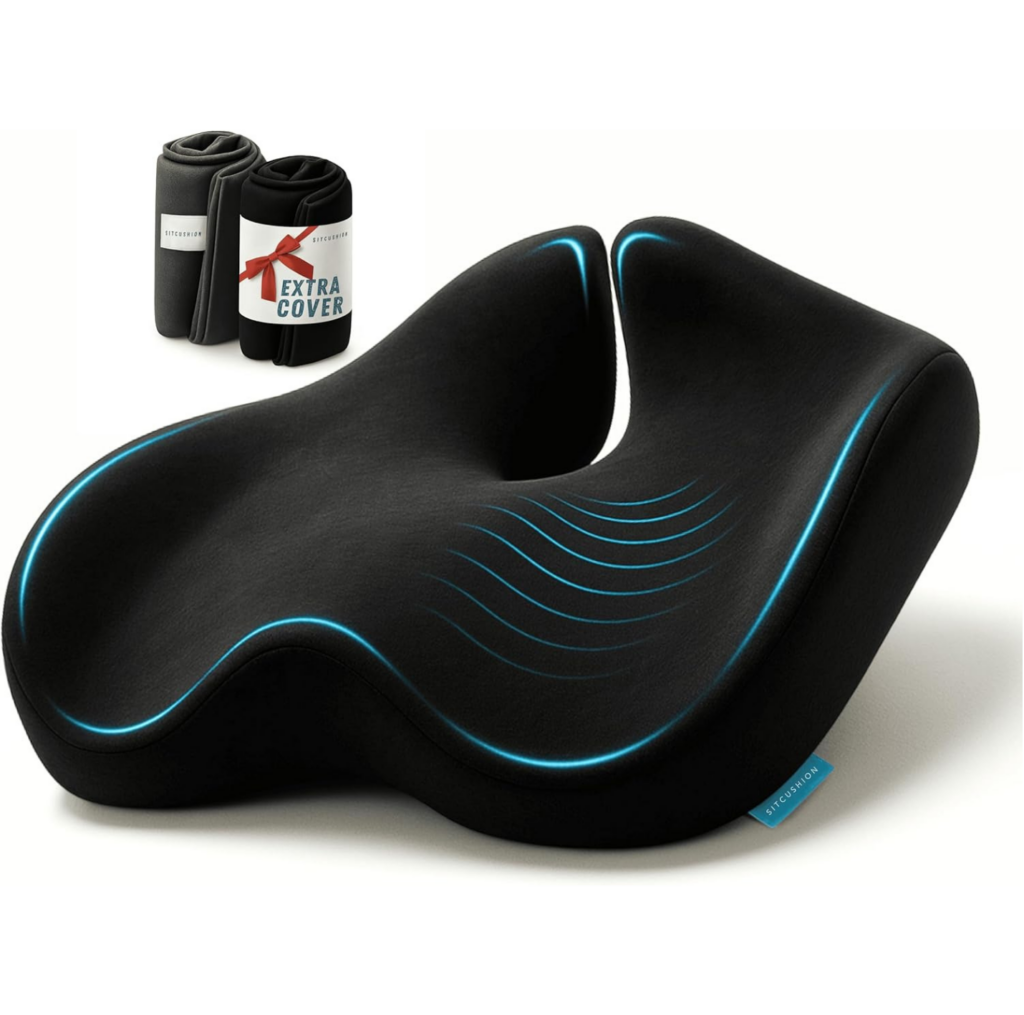
Long hours of sitting also add pressure, so take short walking breaks. A supportive seat can make sitting more comfortable while you recover, but it is a comfort aid and not a treatment. Our guide to sitting with hemorrhoids at work and while driving covers chair setup and driving in detail.
For the full routine, including over-the-counter products, a comparison of what works and what only comforts, and the habits that prevent the next flare-up, read our guide to fast hemorrhoid relief at home.
Frequently Asked Questions About Bleeding Hemorrhoids
Is it normal for hemorrhoids to bleed, and why is there often no pain?
Yes. Bleeding is the most common sign of hemorrhoids, and it is especially typical of internal hemorrhoids, which sit inside the rectum, usually cannot be felt and rarely hurt. That is why you can see bright red blood on the toilet paper or in the bowl without any pain. Because other conditions can cause the same bleeding, it is still worth mentioning to a healthcare professional the first time it happens.
What color is blood from hemorrhoids?
Blood from hemorrhoids is usually bright red. Dark red or maroon blood is less typical, and it may come from higher in the colon, so it should be checked soon. Black, tarry, sticky stool is different, because it can be a sign of bleeding higher in the digestive tract and needs medical care the same day.
How much bleeding from hemorrhoids is too much?
A small amount is typical, such as streaks on the tissue, a few drops in the bowl or a thin coating on the stool. Blood that fills the bowl, large clots, bleeding that gets heavier, or bleeding with dizziness, fainting, a fast heartbeat or cold, pale, clammy skin needs emergency care. Rarely, bleeding that continues for a long time can cause anemia, so tell your doctor if it keeps returning and you feel unusually tired, weak or short of breath.
How long does hemorrhoid bleeding last?
Bleeding from a mild flare-up usually settles within about a week when you keep your stools soft and clean the area gently. If it lasts longer than a week, keeps coming back or gets heavier, see a healthcare professional instead of waiting.
What makes hemorrhoids bleed?
Delicate, swollen veins bleed when they are scraped or stretched. The usual triggers are hard stools and straining, long periods of constipation or diarrhea, sitting on the toilet for a long time and heavy lifting. Pregnancy and hard wiping can also irritate hemorrhoids and make them bleed.
Should I worry if I see blood only once?
A single small streak of bright red blood after a hard stool is often a minor flare-up, especially if you already know you have hemorrhoids. Even so, bleeding during bowel movements is a reason to talk to a healthcare professional, and you should not assume it is hemorrhoids. Make an appointment sooner if it is the first time, if it returns, or if it comes with a change in bowel habits or in the color or consistency of your stool.
Can bleeding hemorrhoids be a sign of cancer?
Most rectal bleeding comes from common causes such as hemorrhoids and anal fissures, but colorectal and anal cancer can cause the same bright red blood, and you cannot tell the difference by looking. That is why a medical exam matters, especially with a change in bowel habits, unexplained weight loss or tiredness, an age of 45 or older, or a family history of colorectal cancer.
Do I need a colonoscopy if I have bleeding hemorrhoids?
Not always. Your doctor decides based on your age, risk factors, symptoms and exam findings. A colonoscopy is more likely to be recommended when the bleeding is new in an older adult, comes with a change in bowel habits, or is not fully explained by the exam. Bleeding also means you may need a diagnostic test instead of routine screening.
How can I tell if the blood is from a hemorrhoid or an anal fissure?
A fissure is a small tear in the lining of the anus, and it typically causes small streaks of bright red blood with sharp pain during and after a bowel movement. Internal hemorrhoids often bleed without pain, and external hemorrhoids may itch, swell or form a lump. It is hard to tell them apart at home, so an exam settles it. Both usually improve when you keep your stools soft.
When should I go to the emergency room for hemorrhoid bleeding?
Go to the emergency room or call 911 for large amounts of blood, large clots, bleeding that will not stop, bleeding with severe belly pain, or bleeding with dizziness, lightheadedness, fainting or confusion. If you are bleeding heavily or feel faint, do not drive yourself. The table in When to See a Doctor and When to Go to the Emergency Room shows what to do in each situation.
Can I take ibuprofen or aspirin when my hemorrhoids bleed?
Ask a pharmacist or doctor first. Ibuprofen and aspirin can make bleeding worse. If you need a pain reliever while you are bleeding, acetaminophen is usually the simpler option. Try to avoid products that contain codeine, because they can cause constipation and straining.
Do blood thinners make hemorrhoids bleed more?
They can. Blood thinners, including daily aspirin, slow clotting, so bleeding may be heavier or last longer. Tell your healthcare provider about any rectal bleeding if you take one, and do not stop or change your dose on your own.
Can sitting for long hours make hemorrhoids bleed?
Long periods of sitting, especially on the toilet, raise the pressure in the veins of the lower rectum and can irritate hemorrhoids. Break up long stretches with a short walk, and read our guide to sitting with hemorrhoids at work and while driving for chair setup and driving tips. A supportive seat cushion can make sitting more comfortable while you recover, but it is a comfort aid and not a treatment, and it will not stop bleeding. Our best hemorrhoid cushions guide compares the shapes.
Is hemorrhoid bleeding during pregnancy normal?
Hemorrhoids are common in pregnancy because the growing baby puts pressure on the veins in the pelvis, and mild bleeding can happen. Still, tell your doctor or midwife about any rectal bleeding, and ask before using any medicated cream, suppository or pain reliever. Heavy bleeding, or bleeding with dizziness or fainting, needs emergency care. Our guide to hemorrhoids during pregnancy has more detail.
The Bottom Line on Bleeding Hemorrhoids
Bleeding hemorrhoids are common, and in most cases the blood is a small amount of bright red blood from irritated veins, often triggered by hard stools or straining. Keeping your stools soft, cleaning gently and avoiding long sessions on the toilet usually help a mild flare-up settle within about a week.
What matters most is knowing when the blood is not typical. See a healthcare professional if the bleeding is new, keeps returning, lasts longer than a week, or comes with a change in your bowel habits or stool color. Go to the emergency room for large amounts of blood, or for bleeding with dizziness, fainting or severe belly pain. Never assume rectal bleeding is “just hemorrhoids” until someone has checked.
To understand what causes hemorrhoids in the first place, read our guide to hemorrhoid causes, symptoms and treatments. For more practical guides on digestive comfort and everyday wellness, explore our knowledge center.