






Hemorrhoids, also called piles, are swollen and inflamed veins in the anus or lower rectum. They are common, affecting about 1 in 20 Americans, and about half of adults older than 50 have them.
The main causes of hemorrhoids are straining during bowel movements, sitting on the toilet for long periods, chronic constipation or diarrhea, a low-fiber diet, pregnancy and aging. Long hours of sitting can add pressure too, which is why desk workers and drivers often notice more discomfort.
Most mild cases improve with home care within about a week. Rectal bleeding should always be checked by a doctor, because it can also come from other conditions.
This guide covers what hemorrhoids are, internal vs external hemorrhoids, symptoms, causes, diagnosis, treatment options and when to see a doctor. Each topic links to a detailed guide when you need more.

What Are Hemorrhoids
Hemorrhoids are swollen, inflamed veins in the anus or lower rectum. They are similar to varicose veins, but they form around the anal canal. They affect men and women alike and are one of the most common causes of anal itching, discomfort and rectal bleeding.
Internal vs External Hemorrhoids
There are two types of hemorrhoids, and the type decides which symptoms you notice and which treatment fits.
| Internal hemorrhoids | External hemorrhoids | |
|---|---|---|
| Where they form | In the lining of the lower rectum | Under the skin around the anus |
| Can you see or feel them? | Usually not, unless they prolapse | Yes, often as a lump near the anus |
| Typical symptom | Painless bright red bleeding after a bowel movement | Itching, tenderness and a hard lump |
| Pain | Usually painless unless prolapsed | Often painful, especially when sitting |
| Main complication | Prolapse through the anal opening | Thrombosis (a blood clot inside the vein) |
Internal hemorrhoids are often found only because of bleeding. Doctors grade them from I to IV by how far they prolapse, from staying inside to staying outside permanently. A prolapsed hemorrhoid that cannot be pushed back in needs medical care, and our guide to hemorrhoids that won’t go away explains the options. If you notice blood, read how to stop bleeding hemorrhoids and when to worry.
External hemorrhoids cause most of the pain people feel. When a clot forms, the lump becomes hard, purple-blue and very painful. This is a thrombosed hemorrhoid, and the first 72 hours matter for treatment, as we explain in our 72-hour action plan for severe hemorrhoid pain.
It is possible to have both types at the same time.
Are Hemorrhoids Dangerous?
Hemorrhoids are rarely dangerous. Complications are uncommon but include blood clots, skin tags left after a clot dissolves, infection, a strangulated hemorrhoid (when the blood supply to a prolapsed internal hemorrhoid is cut off) and anemia from long-term bleeding. See a doctor for any rectal bleeding, because it can also be a sign of other bowel conditions.
What Causes Hemorrhoids

Hemorrhoids develop when pressure builds up in the lower rectum, which makes the veins around the anus stretch, bulge and swell. Mayo Clinic lists straining during bowel movements, long periods of sitting (especially on the toilet), long-lasting constipation or diarrhea, a low-fiber diet, obesity, pregnancy, regular heavy lifting and anal intercourse as the main causes, and the risk rises with age.
Common Causes and Risk Factors
| Cause or risk factor | How it raises pressure on the veins |
|---|---|
| Straining | Pushing and holding your breath during a bowel movement forces blood into the rectal veins |
| Long toilet time | Sitting on a toilet seat leaves the anal area unsupported, so blood can pool in the veins |
| Chronic constipation | Hard stools need more effort to pass |
| Chronic diarrhea | Frequent bowel movements irritate the area and add repeated strain |
| Low-fiber diet | Less bulk and softness in stool leads to more straining. See our high-fiber hemorrhoid diet guide |
| Pregnancy | The baby’s weight presses on the anal area, and constipation is common. See our guide to hemorrhoids during pregnancy |
| Obesity | Extra body weight adds abdominal and pelvic pressure |
| Heavy lifting | Repeated lifting raises pressure inside the abdomen |
| Aging | The tissues that support the veins in the rectum and anus weaken and stretch |
What Causes Internal Hemorrhoids
Internal hemorrhoids have the same causes as external ones. Pressure in the lower rectum swells the veins in the rectal lining, and straining can push them downward until they prolapse through the anal opening. With age, the supporting tissue loosens, so internal hemorrhoids slip more easily. This is why painless bright red bleeding after a bowel movement is the typical first sign.
Does Sitting Cause Hemorrhoids
Sitting for long periods can increase your risk of hemorrhoids, and Mayo Clinic specifically warns about sitting too long on the toilet. One case-control study of 243 people found that sitting 5 hours or more per day was linked to a higher risk of hemorrhoids or anal fissures. The study is small and shows an association, not proof of cause, so it is best read as a reason to move more, not as a guarantee.
In practice, this means taking short walking breaks every 30 to 60 minutes at a desk or while driving, and keeping toilet visits short with no phone. If your job requires long sitting, our guide on how to sit with hemorrhoids at the office and in the car covers setup and breaks in detail.
Can Stress Cause Hemorrhoids
Stress is not listed as a direct cause of hemorrhoids by Mayo Clinic or NIDDK, but it can contribute indirectly. Stress can upset digestion and lead to constipation or diarrhea, and it often pushes people toward low-fiber eating and less movement. Each of those makes straining more likely. Managing stress helps most when it improves your bowel habits.
Do Hemorrhoids Cause High Blood Pressure
Hemorrhoids are a local problem of the veins around the anus, and they are not known to cause high blood pressure. In the other direction, ordinary high blood pressure is not listed as a cause of hemorrhoids either.
There is one exception worth knowing. Portal hypertension, high pressure in the veins that carry blood from the intestines to the liver, is a different condition linked to liver disease. An older review of 188 patients with portal hypertension found hemorrhoids were no more common than in the general population, but a few patients bled heavily from them. If you have liver disease and notice rectal bleeding, get it checked promptly. See our guide on bleeding hemorrhoids and when to worry for warning signs.
Which Causes Can You Change
Most causes of hemorrhoids are habits, so many can be changed: softer stools through fiber and fluids, less straining, shorter toilet time, more movement and a healthy weight. Age and pregnancy cannot be avoided, but the same habits still reduce symptoms.
Hemorrhoid Symptoms
The most common hemorrhoid symptoms are bright red blood after a bowel movement, anal itching or irritation, pain or discomfort, and swelling or a lump near the anus. Which symptoms you notice depends on the type of hemorrhoid. In UK English the condition is spelled haemorrhoids, but the symptoms are the same.
Symptoms of Internal Hemorrhoids
Internal hemorrhoids lie inside the rectum, so you usually can’t see or feel them, and they rarely cause discomfort. When straining or irritation affects them, they can cause:
- Painless bleeding, with small amounts of bright red blood on toilet tissue, on the stool or in the toilet bowl
- Prolapse, when a hemorrhoid pushes through the anal opening, which may cause pain and irritation
Symptoms of External Hemorrhoids
External hemorrhoids form under the skin around the anus, so they are easier to notice. Symptoms include:
- Itching or irritation around the anus
- Pain or discomfort, often worse when sitting
- Swelling or a tender lump near the anus
- Bleeding
With home care, symptoms of mild hemorrhoids often go away within about a week. Our guide to fast hemorrhoid relief at home explains the steps.
Symptoms of a Thrombosed Hemorrhoid
When blood pools and clots inside an external hemorrhoid, it becomes a thrombosed hemorrhoid. The signs are severe pain, swelling, inflammation and a hard, discolored lump near the anus. Treatment works best within 72 hours of the clot forming, so do not wait if the pain is sudden and intense. Our 72-hour plan for severe hemorrhoid pain explains what to do and when to call a doctor.
Early Stage Hemorrhoid Symptoms
Early stage hemorrhoids are usually mild. Internal hemorrhoids may cause nothing at all at first, or only painless bright red blood on the toilet paper. External hemorrhoids may start with mild itching, slight swelling or discomfort after a bowel movement or long sitting. Catching these signs early is the best time to soften your stools and reduce straining.
Hemorrhoid Symptoms in Women and Men
Hemorrhoid symptoms are the same in women and men. Hemorrhoids are common in both sexes, and the same treatments apply.
For women, the main difference is timing. Pregnancy and childbirth are common triggers, because the baby’s weight and straining put pressure on the anal area. Our guide to hemorrhoids during pregnancy covers safe relief. If you see blood, tell your doctor exactly where it comes from, since vaginal bleeding needs different care than rectal bleeding.
Severe Hemorrhoid Symptoms
Contact a healthcare professional promptly for any of these:
- Rectal bleeding that is heavy, persistent or new
- Severe pain or a hard, purple-blue lump
- A prolapsed hemorrhoid that cannot be pushed back in
- Pus, discharge or fever
- No improvement after a week of home care
Seek emergency care for large amounts of bleeding, lightheadedness, dizziness or fainting. Our guide to bleeding hemorrhoids and when to worry explains what blood color and amount can tell you.
Symptoms That May Not Be Hemorrhoids
Not every anal symptom comes from a hemorrhoid. Rectal bleeding can also come from an anal fissure, polyps, inflammatory bowel disease or colorectal and anal cancer. Mayo Clinic advises not to assume bleeding is from hemorrhoids, especially if you notice changes in bowel habits or in the color or consistency of your stool.
How Are Hemorrhoids Diagnosed
A doctor can often diagnose hemorrhoids from your medical history and a physical exam. External hemorrhoids can usually be seen by checking the skin around the anus. For internal hemorrhoids, the doctor may use a digital exam and a visual exam:
- Digital rectal exam. The doctor gently checks inside the rectum for tenderness, blood, lumps or anything unusual.
- Visual exam. Internal hemorrhoids are often too soft to feel, so the doctor may look inside with an anoscope, proctoscope or sigmoidoscope. These are usually done in an office or outpatient center, and most patients do not need anesthesia.
A colonoscopy may be recommended if your symptoms suggest another digestive disease, if you have risk factors for colorectal cancer, or if you are middle-aged and have not had a recent colonoscopy.
What to Expect at Your Appointment
Expect questions about your symptoms and how long you’ve had them, your bowel habits, fiber intake, toilet habits, any laxative use, and family history of colon, rectal or anal cancer. A short list of your symptoms, medicines and questions helps the visit go faster.
How to Treat Hemorrhoids

Mild hemorrhoids usually improve with home care within about a week. The basics are high-fiber foods, plenty of fluids, over-the-counter creams or pads and warm soaks. If bleeding does not stop or the pain is severe, a doctor can offer minimally invasive procedures such as rubber band ligation, and surgery is reserved for severe or recurring cases. These options follow Mayo Clinic’s treatment guidance.
Treating Hemorrhoids at Home
Home treatment is the first step for most people:
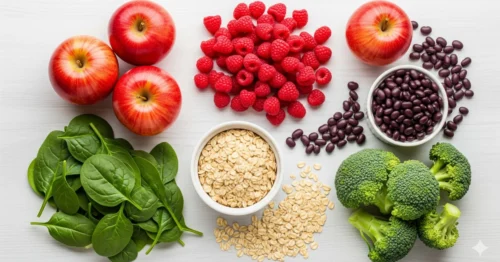
- Eat more fiber. Fruits, vegetables and whole grains soften stool and reduce straining. Add fiber slowly to avoid gas, and drink 6 to 8 glasses of water or other fluids a day. Our high-fiber hemorrhoid diet guide lists what to eat and avoid.
- Soak in warm water. Sit in a plain warm bath or sitz bath for 10 to 15 minutes, two or three times a day.
- Use topical treatments. Over-the-counter hydrocortisone creams or suppositories, and pads with witch hazel or a numbing medicine, can ease itching and pain.
- Take pain relievers. Acetaminophen, aspirin or ibuprofen can temporarily ease discomfort. Ask a pharmacist or doctor which one suits you, especially if you are bleeding.
Hydrocortisone is a steroid that can thin your skin if used for more than a week, so ask a healthcare professional how long to use it. See our step-by-step guide to fast hemorrhoid relief at home for the full routine.
Can a Seat Cushion Help With Hemorrhoids
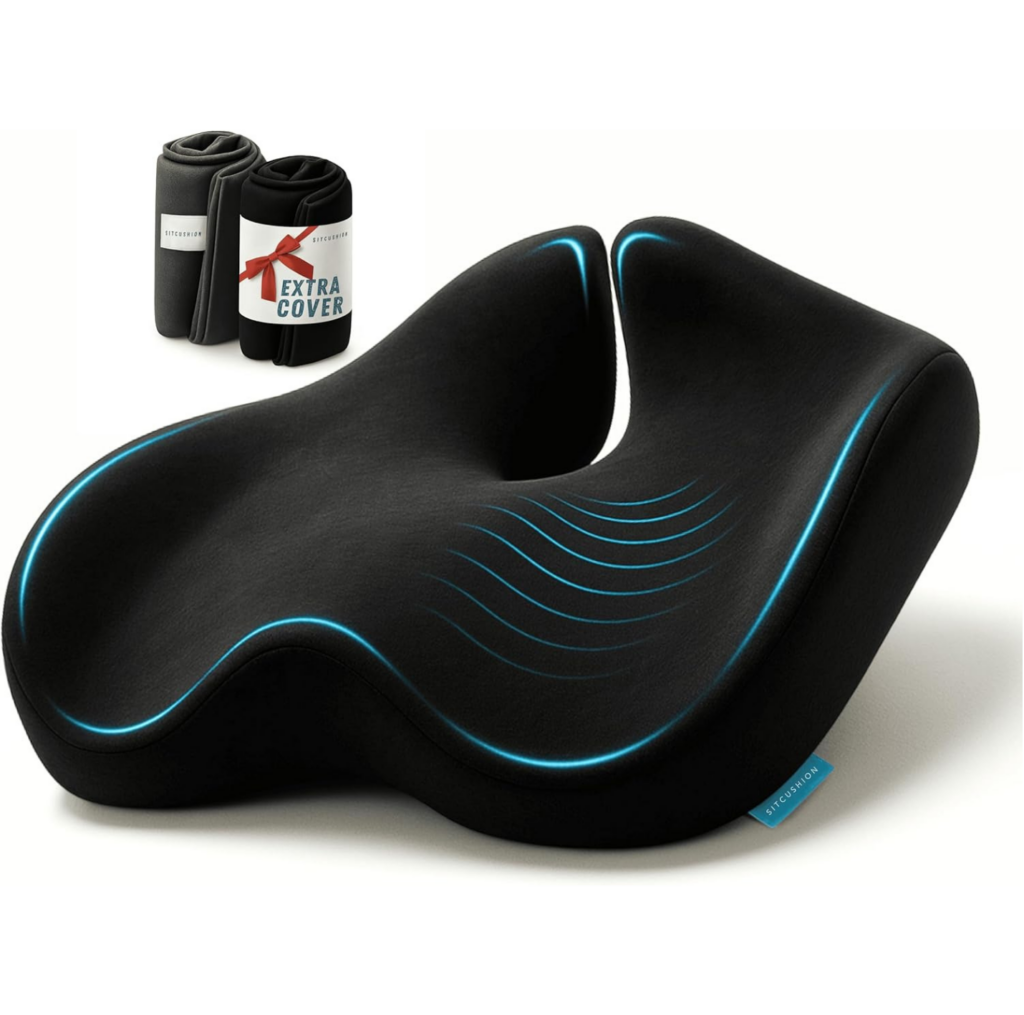
A seat cushion cannot treat hemorrhoids, but the right one can make sitting more comfortable by reducing pressure on the sore area. The best choice depends on how long you sit and what stage you are in:
- Donut or ring cushions have an open center that keeps pressure off the affected area. They suit short-term relief, such as an acute flare, recovery after hemorrhoid surgery or postpartum sitting. On long days they can shift pressure to the hips and thighs.
- Memory foam or U-shaped (cutout) cushions spread your weight across the sit bones and thighs. They are usually the more comfortable choice for long daily sitting at a desk or while driving.
Our comparison of donut vs memory foam hemorrhoid cushions explains how to choose. If a donut design fits your situation, sitcushion makes a donut seat cushion for women and a donut seat cushion for men. Sitcushion cushions are comfort products, not medical devices, so they do not replace medical care. After a procedure, ask your surgeon which cushion style is right for you.
Medical Treatment for Hemorrhoids
If home care does not help after a week, or you have severe pain or bleeding, talk with a healthcare professional. The options depend on the type and severity of the hemorrhoid:
| Treatment | What it does | Best for |
|---|---|---|
| Prescription or stronger medicines | Creams, ointments or suppositories ease pain and itching | Mild to moderate symptoms |
| External hemorrhoid thrombectomy | A small procedure under local anesthetic removes the clot, with relief right away | Thrombosed external hemorrhoids, best within 72 hours |
| Rubber band ligation | Tiny bands cut off blood flow, and the hemorrhoid withers and falls off within a week | Internal hemorrhoids that bleed or prolapse |
| Sclerotherapy | A chemical injection shrinks the tissue, with little or no pain | Smaller internal hemorrhoids |
| Coagulation | Laser, infrared light or heat hardens and shrivels the hemorrhoid | Small, bleeding internal hemorrhoids |
| Hemorrhoidectomy or stapling | Surgery removes the tissue or blocks its blood supply | Large, severe or recurring hemorrhoids |
Minimally invasive procedures are usually done in an office or outpatient setting and don’t normally need numbing medicine. Rubber band ligation can be uncomfortable and may cause light bleeding 2 to 4 days later. Sclerotherapy may be less effective than banding.
Hemorrhoid Surgery
Only a small percentage of people with hemorrhoids need surgery. It is considered when other procedures haven’t worked or the hemorrhoids are large.
- Hemorrhoidectomy removes the tissue that causes bleeding. It is the most effective and complete treatment for severe or recurring hemorrhoids, though most people have some pain afterward that medicines can ease.
- Stapled hemorrhoidopexy blocks blood flow to the hemorrhoid and is typically used only for internal hemorrhoids. It usually means less pain and a faster return to normal activity, but it carries a higher risk of hemorrhoids coming back and of rectal prolapse compared with hemorrhoidectomy.
For a side-by-side comparison of recovery time and recurrence, read our guide to hemorrhoids that won’t go away.
Hemorrhoid Treatment for Men and Women
Treatment is the same for men and women. The choice depends on the hemorrhoid’s type, size and symptoms, not on sex. During pregnancy, ask your doctor or midwife before using any cream or suppository.
How to Prevent Hemorrhoids
The best way to prevent hemorrhoids is to keep your stools soft so they pass easily, without straining. Most prevention steps work by lowering pressure on the veins in the lower rectum, as Mayo Clinic explains. They also reduce symptoms if you already have hemorrhoids.
Can Hemorrhoids Be Prevented
Hemorrhoids cannot always be prevented, but the risk can be lowered. Age and pregnancy are outside your control, but diet, fluids, toilet habits, movement and weight are habits you can change. They are also the same steps that keep mild hemorrhoids from flaring.
Habits That Lower Your Risk
- Eat high-fiber foods. Fruits, vegetables and whole grains soften stool and add bulk. Add fiber slowly to avoid gas. See our high-fiber hemorrhoid diet guide.
- Drink plenty of fluids. About 6 to 8 glasses of water and other liquids a day help keep stools soft, and cutting back on alcohol may help.
- Consider a fiber supplement. Studies show that nonprescription supplements such as psyllium or methylcellulose can lessen hemorrhoid symptoms and bleeding. Drink at least eight glasses of fluid a day with them, or they can cause constipation.
- Don’t strain. Straining and holding your breath create greater pressure in the veins of the lower rectum. Go when you feel the urge instead of waiting.
- Keep toilet visits short. Sitting too long, especially on the toilet, increases pressure on the veins in the anus, so leave the phone outside the bathroom.
- Stay active. Exercise helps prevent constipation, reduces pressure on veins and can help you lose excess weight. See our best exercises to prevent hemorrhoids for safe options like walking and Kegels.
- Break up long sitting. If you sit for work or drive for hours, stand up and walk for a few minutes every 30 to 60 minutes. Our guide to sitting with hemorrhoids at the office and in the car shows how.
When to See a Doctor for Hemorrhoids
See a healthcare professional if you have bleeding during bowel movements, or if your hemorrhoids don’t improve after a week of home care. Don’t assume rectal bleeding comes from hemorrhoids, especially if you notice changes in your bowel habits or in the color or consistency of your stool, because bleeding can also be a sign of other conditions, including colorectal or anal cancer.
See a Doctor Soon If You Have
- Rectal bleeding, even if it looks mild
- Symptoms that last longer than a week despite home care
- Severe pain, or a hard, painful, purple-blue lump near the anus, which may be a thrombosed hemorrhoid and works best treated within 72 hours
- A prolapsed hemorrhoid that cannot be pushed back in
- Changes in bowel habits or in stool color or consistency
- Pus, discharge or fever around the anal area
Seek Emergency Care If You Have
- Large amounts of rectal bleeding
- Lightheadedness, dizziness or fainting, which can signal significant blood loss
Prompt care also protects against rare complications such as anemia from long-term bleeding, a strangulated hemorrhoid (when the blood supply to an internal hemorrhoid is cut off) and infection.
Which Doctor Should You See
Start with your primary healthcare provider. If needed, they may refer you to a gastroenterologist (a digestive system specialist) or a colon and rectal surgeon. Before the visit, note your symptoms, bowel habits and fiber intake as described in the diagnosis section above. If you are pregnant, call your doctor or midwife about any bleeding or severe pain.
Frequently Asked Questions About Hemorrhoids
What are the first signs of hemorrhoids?
The first signs are usually painless bright red blood on the toilet paper, in the bowl or on the stool (internal hemorrhoids), or itching, irritation and mild swelling around the anus (external hemorrhoids). They often show up after straining or after a long period of sitting. Mild symptoms often improve within about a week with fiber, fluids and warm soaks. If you notice any bleeding, mention it to a doctor instead of assuming hemorrhoids are the cause.
How can I tell if I have internal or external hemorrhoids?
Internal hemorrhoids form inside the rectum and usually cause painless bleeding, while external hemorrhoids form under the skin around the anus and cause itching, pain, swelling or a lump. You usually can’t see or feel internal hemorrhoids unless they prolapse, meaning they push out through the anal opening. It is possible to have both types at once. Only an exam can confirm which you have, because internal hemorrhoids are checked with a digital rectal exam and sometimes an anoscope.
Do hemorrhoids go away on their own?
Mild hemorrhoid symptoms often go away within about a week of home care, such as eating more fiber, drinking enough fluids and soaking in warm water. A thrombosed hemorrhoid, which has a blood clot, may take several weeks for the lump to fade even after the worst pain eases. See a healthcare professional if symptoms last longer than a week, if you bleed, or if a hemorrhoid keeps coming back. Our guide to hemorrhoids that won’t go away explains why some are stubborn and what doctors can do.
Can stress cause hemorrhoids?
Stress does not directly cause hemorrhoids, but it can contribute indirectly. Stress can upset your digestion and lead to constipation or diarrhea, and it can push you toward low-fiber eating and less movement. Each of these makes straining more likely, and straining is a main cause of hemorrhoids. Managing stress helps most when it improves your bowel habits.
Can hemorrhoids cause high blood pressure?
No, hemorrhoids are a local problem of the veins around the anus and are not known to cause high blood pressure. Ordinary high blood pressure is not listed as a cause of hemorrhoids either. The exception is portal hypertension, a liver-related condition that raises pressure in the veins draining the intestines. If you have liver disease and notice rectal bleeding, get it checked promptly.
Does sitting cause hemorrhoids?
Sitting for long periods can raise your risk, especially sitting for a long time on the toilet. One small study found that sitting 5 hours or more per day was linked to a higher risk of hemorrhoids or anal fissures. This shows an association, not proof of cause. To reduce the pressure, stand and walk for a few minutes every 30 to 60 minutes and keep toilet visits short.
Is it normal to see blood after a bowel movement?
Bright red blood on the toilet paper or in the bowl is the typical sign of internal hemorrhoids, but you should never assume bleeding is from hemorrhoids. Rectal bleeding can also come from anal fissures, polyps, inflammatory bowel disease and colorectal or anal cancer, so any new or persistent bleeding deserves a medical check. Get urgent care for large amounts of blood, dizziness or fainting, and call a doctor promptly if stools turn black, tarry or maroon. See our guide to bleeding hemorrhoids and when to worry.
What is the fastest way to relieve hemorrhoid pain?
A warm sitz bath, an over-the-counter cream or pad and softer stools are the fastest home steps. Soak in plain warm water for 10 to 15 minutes, two or three times a day. Use a hydrocortisone cream, or pads with witch hazel or a numbing medicine, but don’t use hydrocortisone for more than a week because it can thin the skin. Acetaminophen, aspirin or ibuprofen can ease discomfort for a short time. Avoid straining. If you are not better after a week, or the pain is severe, see a doctor. Our guide to fast hemorrhoid relief has the full routine.
Can hemorrhoids be cured permanently?
Hemorrhoids can be treated effectively, but they can come back if the causes remain. Office procedures such as rubber band ligation, sclerotherapy and coagulation shrink internal hemorrhoids, and hemorrhoidectomy is the most effective and complete option for severe or recurring cases. Stapled hemorrhoidopexy means less pain but a higher chance of hemorrhoids returning. Afterward, softer stools, less straining, shorter toilet time and more movement are what keep them from coming back.
What is the best way to sit with hemorrhoids?
Avoid long, unbroken sitting, change position often and keep your seat supportive. Stand up and walk for a few minutes every 30 to 60 minutes at a desk or while driving. A seat cushion may make sitting more comfortable. A donut cushion suits short-term relief such as an acute flare or recovery after surgery, while a memory foam or U-shaped cushion is usually better for long daily sitting. Read our guide to sitting with hemorrhoids at the office and in the car and our comparison of donut vs memory foam hemorrhoid cushions.
Final Thoughts on Hemorrhoids
Hemorrhoids are swollen veins in the anus or lower rectum, and they are common, manageable and usually mild. They develop when pressure builds in the lower rectum, most often from straining, long sitting (especially on the toilet), constipation or diarrhea, a low-fiber diet, pregnancy and aging. Because most causes are everyday habits, the same habits are also your best protection.
Most mild hemorrhoid symptoms improve within about a week with fiber, fluids, warm soaks and short, strain-free toilet visits. If bleeding does not stop, the pain is severe or symptoms last longer than a week, see a healthcare professional. Never assume rectal bleeding is from hemorrhoids, because it can have other causes that need a proper check.
Long hours of sitting can make symptoms worse, so build in regular movement breaks. A supportive seat cushion can make sitting more comfortable, and our guide to choosing a hemorrhoid cushion explains which style suits each situation. You can also browse all sitcushion seat cushions or explore more guides in our Knowledge Center.
This article is for general information and is not medical advice. sitcushion products are comfort products, not medical devices, and are not intended to diagnose, treat, cure or prevent any condition. If you have bleeding, severe pain or symptoms that don’t improve, talk to a healthcare professional.