






If you’ve suddenly noticed a hard, tender, blue-purple lump near your anus — and sitting, walking, or even wiping has become excruciating — you’re likely dealing with a thrombosed external hemorrhoid: a blood clot that has formed inside a swollen vein. Unlike ordinary hemorrhoid discomfort, this pain isn’t gradual — it can appear within hours and peak in intensity over the first two days.
What you do next matters. A thrombosed hemorrhoid follows a fairly predictable clinical timeline, which means the choices you make in the first 72 hours directly affect how quickly the pain resolves — and whether an in-office procedure remains a realistic option.
This guide walks you through that timeline in three clear stages: what you can safely do at home right now, the window during which a doctor’s intervention can offer real relief, and the warning signs that mean it’s time for emergency care instead of waiting it out.
Understanding the Root Causes of Hemorrhoid Pain
Hemorrhoid pain develops when the veins in the lower rectum and anus come under sustained pressure, causing them to swell and, in more severe cases, clot. According to Cleveland Clinic, everyday pressure on these veins usually comes from one or more of the following:
- Straining during bowel movements — the single most common trigger, usually tied to chronic constipation
- Chronic constipation or diarrhea, both of which force repeated straining
- A low-fiber diet, which leads to harder stools that require more effort to pass — see our high-fiber hemorrhoid diet guide for a full breakdown of what to eat
- Prolonged sitting, especially lingering on the toilet — our guide on sitting with hemorrhoids covers how to reduce this pressure at a desk or in the car
- Pregnancy and childbirth, from the pressure of a growing uterus and the strain of labor
- Heavy lifting, which places strain on the entire lower body
- Aging, as the connective tissue supporting these veins naturally weakens over time
Any one of these factors can lead to ordinary hemorrhoid discomfort. What turns it into an emergency is a blood clot forming inside the swollen vein — the thrombosed hemorrhoid this guide is built around.
Level 1: Your First-Aid Kit for Immediate Relief (The First 24 Hours)
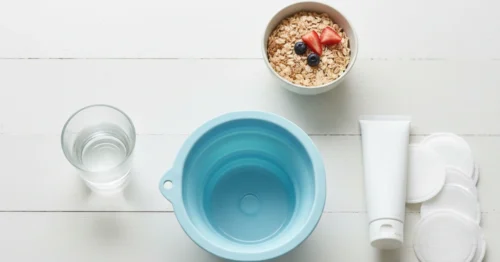
Your first priority in the initial hours is calming the inflammation and taking the edge off the pain. The measures below are the same first-line steps recommended for a thrombosed hemorrhoid — gentle, low-risk, and effective for most people within the first day.
Take a Warm Sitz Bath
A sitz bath is one of the most effective at-home measures for this kind of pain. Soak the anal area in plain warm water for 10 to 20 minutes, two to three times a day. The warm water helps relax the anal sphincter muscle and improve local blood flow, which can meaningfully reduce pain and swelling.
Use Topical Over-the-Counter Treatments
Pharmacies offer several products that target symptoms directly:
- Hydrocortisone creams: a low-dose steroid that reduces swelling and itching. Avoid using for more than one week unless a doctor directs otherwise, since prolonged use can thin the skin.
- Numbing ointments: products containing lidocaine can numb nerve endings for temporary but powerful relief.
- Witch hazel pads: a natural astringent that helps reduce swelling and soothe irritated skin.
Take Oral Pain Relievers
Standard over-the-counter options like acetaminophen or ibuprofen can take the edge off throbbing pain. Avoid ibuprofen if you’re experiencing any bleeding, and skip painkillers containing codeine, since they’re known to cause constipation — which will only make the underlying problem worse.
Make Immediate Dietary Adjustments
Soften your stool right away to avoid straining further. Increase your water intake and consider a fiber supplement containing psyllium to help soften and add bulk to your stool.
Level 2: The Critical 48-72 Hour Window for Medical Intervention
If at-home care doesn’t bring meaningful relief, it’s time to call a doctor. A new, hard, intensely painful lump means you’re still inside the window where medical treatment works best — according to Cleveland Clinic, pain from a thrombosed hemorrhoid typically peaks within the first 48 hours before it gradually starts to ease.
The most effective option at this stage is a quick, in-office procedure to remove the clot — sometimes called a thrombectomy or excision, depending on the exact technique your doctor uses. The area is numbed, a small incision is made, and the clot is removed, which can bring near-instant relief from the pressure and pain.
This procedure works best when performed within 72 hours of the clot forming. Don’t wait a week to see if it resolves on its own — call your doctor’s office as soon as possible and describe your symptoms clearly so they understand the urgency.
Level 3: Red Flags — When to Go to the ER
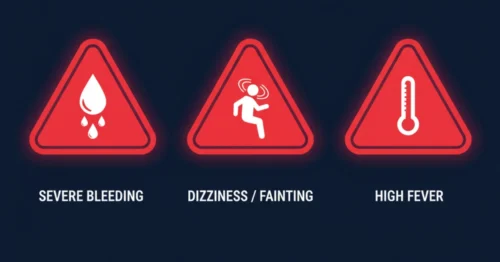
Knowing when hemorrhoid pain signals something more serious is just as important as managing the pain itself. Most thrombosed hemorrhoids aren’t dangerous, but a few specific symptoms point to a complication that needs urgent, in-person evaluation. Go to the ER or urgent care if you experience any of the following:
- Heavy rectal bleeding, or bleeding that won’t stop
- Bleeding along with dizziness, lightheadedness, or feeling like you might faint
- Anal pain that’s rapidly worsening or spreading, especially with fever, chills, or discharge — this combination can point to an abscess rather than simple thrombosis
- The lump turning black, or the skin over it breaking open — both can signal tissue damage that needs prompt care
One important reassurance: according to Cleveland Clinic, the clot in a thrombosed hemorrhoid stays confined to that vein near your anus — it cannot travel to your heart, lungs, or brain the way a deep-vein clot can, so it does not cause a stroke.
What If I Missed the 72-Hour Window?
If more than three days have passed, in-office removal is usually no longer the right course of action — by this point, the clot has typically started breaking down on its own, and a procedure adds little benefit. That doesn’t mean you’re stuck managing severe pain indefinitely, though. The sharpest pain should already be easing, and the lump itself typically shrinks over the next two to four weeks. Keep up the at-home care from Level 1 — sitz baths, stool softeners, and topical treatments — to stay comfortable while it heals.
Preventing the Next Flare-Up: Long-Term Strategies

Preventing future flare-ups comes down to consistently reducing pressure on these veins. A few habits make the biggest difference:
- Commit to a high-fiber diet. Fiber is the single most effective long-term defense against the constipation that leads to straining. See our high-fiber hemorrhoid diet guide for specific foods to add and avoid.
- Stay well-hydrated. Fiber needs water to do its job — aim for at least 6 to 8 glasses a day to keep stool soft.
- Adopt healthy toilet habits. Avoid straining or lingering on the toilet, both of which directly increase pressure on the anal veins.
- Stay physically active. Regular movement supports healthy bowel function and circulation — our guide to exercises that help prevent hemorrhoids covers safe options.
- Maintain a healthy weight. Excess weight adds pressure on the pelvic veins, raising the risk of flare-ups.
Conclusion: Taking Control of Your Recovery
You don’t have to just wait out chronic or recurring hemorrhoid pain. Recognizing that a sudden, severe flare is likely a thrombosed hemorrhoid — and that the first 72 hours are the window that matters most for treatment — puts you back in control of what happens next.
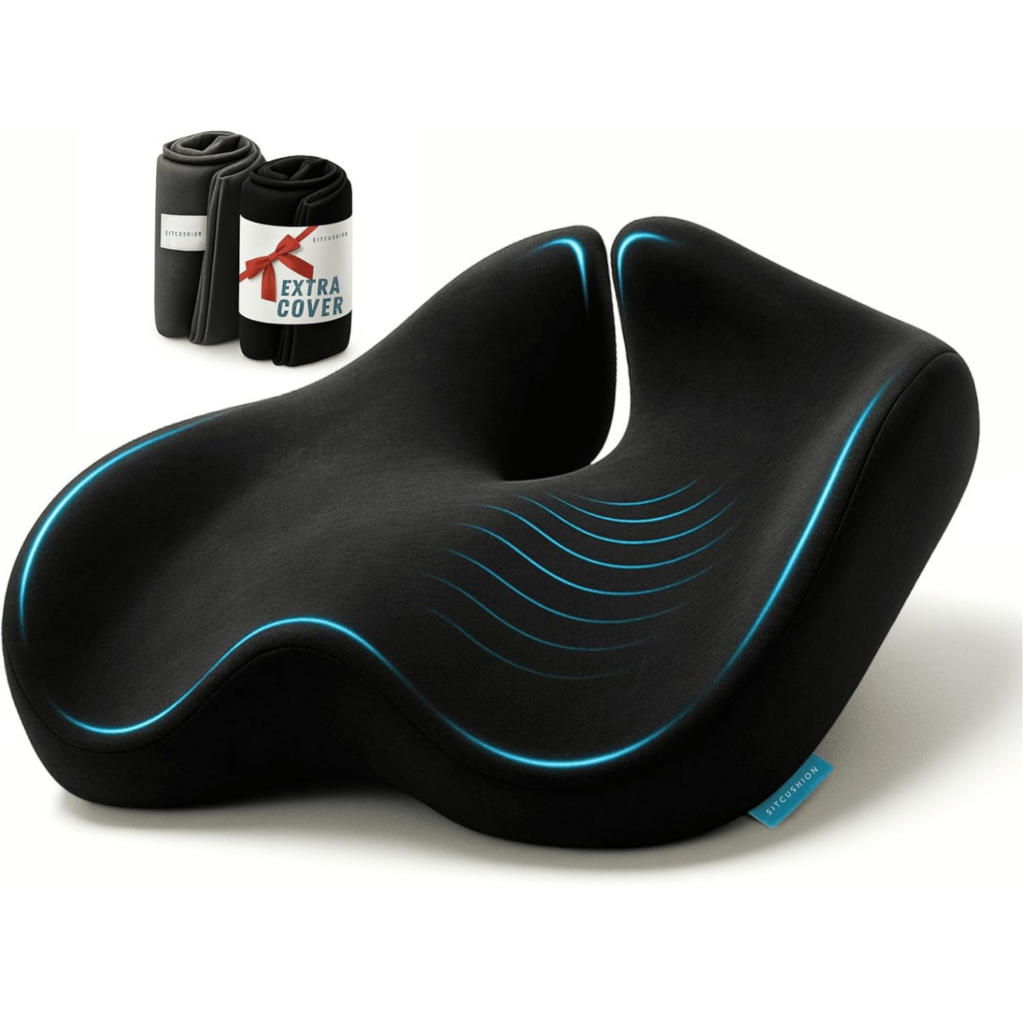
For more on the lifestyle habits that help prevent future flare-ups, explore our knowledge center. And for extra support while sitting during recovery, Sitcushion’s donut cushion — available in women’s and men’s designs — is built to keep pressure off the exact area that needs it most.
Frequently Asked Questions
How long does a thrombosed hemorrhoid take to heal?
Without treatment, most thrombosed hemorrhoids resolve on their own within 2 to 4 weeks. Pain is worst in the first 48 to 72 hours, then gradually eases as your body reabsorbs the clot. If a doctor removes the clot during the 72-hour window, pain relief is often immediate, though some soreness at the site can last another week or two.
Should I try to pop or drain a thrombosed hemorrhoid myself?
No. Squeezing or lancing it yourself risks heavy bleeding, infection, and incomplete removal of the clot — which can make the pain worse, not better. If the clot needs to come out, it should be done as a sterile, in-office procedure under local anesthesia by a doctor.
Can urgent care treat a thrombosed hemorrhoid, or do I need the ER?
For most cases — a new, painful lump within the 72-hour window — an urgent care clinic or your doctor’s office can evaluate and treat it, often with the same in-office procedure described in Level 2. Save the ER for the red-flag symptoms above: heavy or uncontrolled bleeding, signs of infection like fever, or bleeding with dizziness or fainting.
Is a thrombosed hemorrhoid dangerous — can it cause a stroke?
No. It’s confined to a small vein near the anus and doesn’t travel to your heart, lungs, or brain, so it can’t cause a stroke or a life-threatening clot. It’s very painful, but on its own, it isn’t dangerous.
Will a thrombosed hemorrhoid come back after it heals?
It can, especially if the pressure that caused it in the first place — straining, constipation, prolonged sitting — isn’t addressed. The long-term prevention habits above meaningfully lower that risk, though anyone with hemorrhoids that keep recurring should talk to a doctor about longer-term options.