






Quick answer. For most mild flare-ups, the fastest hemorrhoid relief at home comes from a warm sitz bath, softer stools and, if you need it, a short course of an over-the-counter cream or pad. With these steps, symptoms often go away within a week. If you have no relief after a week, or you have severe pain or bleeding, see a healthcare professional.
Hemorrhoids are swollen veins in the lower rectum or around the anus. They are common, and they hurt most when you are sitting, straining or wiping. This guide puts the home steps in a sensible order, shows which ones have solid support and which are mostly comfort measures, and tells you when home care is no longer enough.
This is your starting point for a mild to moderate flare-up. If your situation is more specific, these guides go deeper on bleeding hemorrhoids, severe pain from a hard lump, itching and hemorrhoids that will not go away.
Get medical care right away if you have severe anal pain with rectal bleeding, especially together with belly pain, diarrhea or fever. Home remedies are for comfort and symptom relief, and they are not a substitute for a diagnosis, because other conditions can also cause rectal bleeding.
The Best Order to Try Home Remedies
Most mild flare-ups settle with a few simple steps done together, not with one “miracle” remedy. Here is a sensible order, starting with what has the strongest support from major medical sources.
Soak in a warm sitz bath

A sitz bath is the simplest first step. Sit in a few inches of plain warm water for 10 to 15 minutes, two or three times a day, as Mayo Clinic recommends. A small basin that fits over the toilet works, and so does a clean bathtub. Afterward, pat the area dry instead of rubbing it. Plain water is all you need, so there is no reason to add soaps or scented products.
Clean gently and skip the dry scrubbing
After a bowel movement, pat the area with soft toilet paper, a fragrance-free wet wipe or a cloth moistened with water. Cleveland Clinic suggests flushable wet wipes or a moist tissue or washcloth. Avoid hard wiping and perfumed or alcohol-based wipes, which can irritate skin that is already inflamed.
Use an over-the-counter product for up to one week
Creams, ointments, suppositories and pads can ease itching, swelling and mild pain. Cleveland Clinic lists products containing lidocaine, witch hazel or hydrocortisone. Hydrocortisone is a steroid that can thin the skin if you use it for more than a week, and doctors usually advise using over-the-counter products for about one week. If a product does not help after a week, or it causes dry skin or a rash, stop and talk to a healthcare professional.
If itching is your main problem, our guide to hemorrhoid itch relief goes deeper. If you are pregnant, ask your doctor, midwife or pharmacist before using any medicated product, and read our guide to hemorrhoids during pregnancy.
Take a pain reliever if you need one
Mayo Clinic lists acetaminophen, aspirin and ibuprofen for temporary pain relief. If you have any bleeding, ask a pharmacist or doctor before using ibuprofen or aspirin, because they can make bleeding worse. Try to avoid painkillers that contain codeine, since they can cause constipation and straining.
Use a cold pack for short comfort sessions
A cold pack wrapped in a thin cloth can numb the area and take the edge off throbbing. Treat it as a comfort measure, not a treatment, because Mayo Clinic and Cleveland Clinic do not include it in their home-care lists, so do not expect it to shrink anything. Keep sessions short, about 10 to 15 minutes, and never put ice directly on your skin.
Soften your stool so the area can calm down
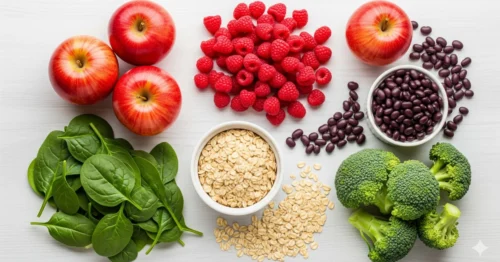
Pain keeps returning if hard stools keep irritating the area. Aim for 25 to 38 grams of fiber a day, add fiber slowly to avoid gas, and consider a psyllium or methylcellulose supplement if food alone is not enough. Drink 6 to 8 glasses of water a day, do not strain, and do not sit on the toilet for long periods. For food ideas, see our high-fiber hemorrhoid diet guide.
What Works, What Only Comforts and What Lacks Evidence
Not every popular remedy has the same support. This table sorts them by what Mayo Clinic, Cleveland Clinic and NIDDK actually recommend.
| Remedy | What it helps with | Support | Watch out for |
|---|---|---|---|
| Warm sitz bath | Pain, irritation, hygiene | Recommended by Mayo Clinic and Cleveland Clinic | Plain water, 10 to 15 minutes, pat dry |
| Hydrocortisone cream or suppository | Itching, inflammation | Listed by Mayo Clinic, Cleveland Clinic and NIDDK | No more than about a week, can thin skin |
| Lidocaine product | Short-term numbing of pain and itch | Listed by Mayo Clinic and Cleveland Clinic | Short-term use only |
| Witch hazel pads | Itching, cooling, irritation | Listed as an over-the-counter option by Mayo Clinic and Cleveland Clinic | Avoid alcohol-based or fragranced products |
| Acetaminophen or NSAIDs | Pain | Listed by Mayo Clinic and Cleveland Clinic | Ask first if you are bleeding, avoid codeine |
| Fiber, water, less straining | Breaking the hard-stool cycle | Recommended by all three sources | Increase fiber slowly |
| Cold pack | Numbing, comfort | Comfort measure, not on the main lists | Wrap in cloth, short sessions |
| Aloe vera gel | Soothing skin | Little research | Pure gel only, stop if it irritates |
| Coconut oil | Moisturizing | Little research | Stop if it irritates |
| Epsom salts | None shown | No research found | Plain water is enough |
Medical News Today notes there is no scientific research supporting aloe vera, coconut oil or Epsom salts for hemorrhoids, so treat them as optional comfort products and not as treatments. If a remedy makes your symptoms worse, stop using it.
When Home Care Is Not Enough
Home care works well for mild flare-ups, but Mayo Clinic is clear that you should not assume rectal bleeding is due to hemorrhoids. Use this table to decide what to do next.
| What you notice | What to do |
|---|---|
| Large amounts of rectal bleeding, or bleeding with lightheadedness, dizziness or faintness | Seek emergency care right away |
| Severe anal pain with bleeding, especially with belly pain, diarrhea or fever | Get medical care right away |
| Sudden, severe pain with a hard, bluish or purple lump near the anus | Call a doctor promptly, because treatment of a clot works best within 72 hours. Read our severe pain guide |
| Any bleeding during bowel movements, especially with a change in bowel habits or stool color or consistency | Make an appointment and get it checked. Our bleeding hemorrhoids guide explains what the blood can mean |
| A lump that is very painful or cannot be gently pushed back in | See a doctor |
| No improvement after one week of home care | Make an appointment, or read why a hemorrhoid may not go away |
| Fever and chills, nausea or vomiting, or ongoing constipation or diarrhea | Call your healthcare provider |
| Mild itching or irritation that is slowly improving | Keep up home care. Our itch relief guide has more detail |
Why bleeding deserves a second look
Bleeding is the most common reason people think of hemorrhoids, but it is not specific to them. Other conditions can cause rectal bleeding, including anal fissures, other digestive disorders and, less often, colorectal or anal cancer. A fissure, which is a small tear in the lining of the anus, can cause pain and bleeding that feel very similar. Some of these conditions are serious, which is why a first episode of bleeding is worth mentioning to a healthcare professional even when it seems mild.
A doctor can often diagnose hemorrhoids with a visual exam and a gentle digital exam. A colonoscopy may be recommended if your symptoms suggest another digestive problem, if you have risk factors for colorectal cancer, or if you are middle-aged and have not had a recent one.
What a doctor can do when home care is not enough
Treatment options range from office procedures such as rubber band ligation, sclerotherapy and coagulation to surgery for large or recurring hemorrhoids. If a painful clot has formed in an external hemorrhoid, a doctor can remove it, and this works best within 72 hours. The clot stays in the area and does not travel to other parts of the body, so the urgency is about pain relief, not a clot reaching the lungs or brain. To compare procedures, see our guide on hemorrhoids that will not go away.
This guide is general information and not a diagnosis. If you are unsure whether what you are feeling is a hemorrhoid, ask a healthcare professional.
Habits That Help Prevent the Next Flare-Up
Once a flare-up settles, the goal is to stop pressure from building up in the veins again. Most prevention comes down to keeping stools soft and avoiding anything that puts extra strain on the area.
Toilet habits that make a real difference
- Go when you feel the urge. Holding it in can lead to harder stools later.
- Do not strain or hold your breath. Straining raises the pressure in the veins of the lower rectum, which is exactly what you are trying to avoid.
- Keep toilet time short. Sitting on the toilet for long periods increases pressure on the anal veins, so leave your phone outside the bathroom.
- Use laxatives and enemas only as your healthcare provider recommends. Overusing them can make it harder for your body to regulate bowel movements.
Use fiber supplements the safe way

If you cannot get enough fiber from food, a psyllium or methylcellulose supplement can lessen symptoms and bleeding. Start slowly to avoid gas, and drink at least eight glasses of water or other fluids a day while you use it. Without enough fluid, a fiber supplement can cause constipation or make it worse. For meal ideas, see our high-fiber hemorrhoid diet guide.
Keep your body moving
Regular activity helps prevent constipation and reduces pressure on the veins. Exercise can also help with excess weight that may be making hemorrhoids worse. Avoid regular heavy lifting, and do not hold your breath when you lift. Gentle options such as walking and swimming are easy to keep up. For specific ideas, see our guide to the best exercises to prevent hemorrhoids.
Be smart about long hours of sitting
Sitting for long periods also raises pressure on the veins around the anus, and desk work and driving are the usual culprits. Break up long stretches with a short walk, and choose a firm, supportive seat. Our guide to sitting with hemorrhoids at work and while driving covers chair setup and driving in detail.
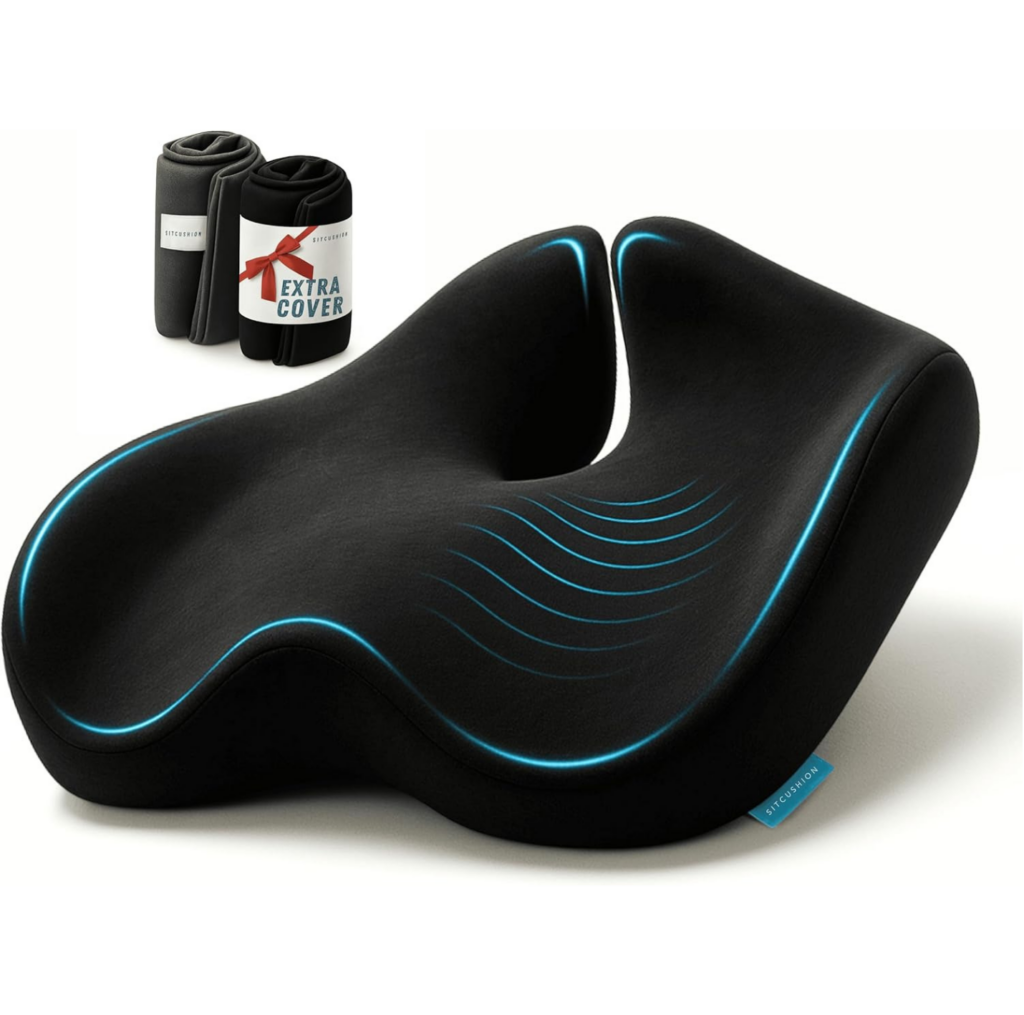
A supportive seat cushion can make sitting more comfortable while you recover. It is a comfort aid, not a treatment for hemorrhoids, and the right shape depends on whether you need short-term relief or support for long hours. We compare the options in our best hemorrhoid cushions guide.
Frequently Asked Questions About Hemorrhoid Relief
What is the fastest way to relieve hemorrhoid pain at home?
The fastest relief usually comes from combining a warm sitz bath with an over-the-counter cream or pad and, if needed, a pain reliever. Soak in plain warm water for 10 to 15 minutes, two or three times a day. Use a product containing lidocaine, witch hazel or hydrocortisone for itching and mild pain, and take acetaminophen for aching if you need it. At the same time, keep your stool soft so new irritation does not start. These steps ease symptoms rather than remove the hemorrhoid, and most people notice improvement within about a week. If severe pain comes on suddenly with a hard lump, see a doctor promptly. Our severe pain guide explains why.
Do hemorrhoids go away on their own, and how long does it take?
Mild hemorrhoids often do. With home care, symptoms often improve within about a week, although pain and bleeding can last a little longer. Smaller hemorrhoids often settle with more fiber and better toilet habits, and many prolapsed internal hemorrhoids go away without treatment. If you have no improvement after a week of home care, or you have severe pain or bleeding sooner, see a healthcare professional. If a hemorrhoid keeps coming back or lasts for months, read our guide on hemorrhoids that will not go away.
Can you shrink a hemorrhoid at home?
Home care can ease swelling, itching and pain, and many mild hemorrhoids settle as the irritation calms, but no home remedy has been shown to shrink a hemorrhoid on demand. Witch hazel is an astringent, but research on it is limited. The treatments that actually shrink hemorrhoid tissue, such as rubber band ligation, sclerotherapy and coagulation, are done by a doctor. NIDDK says you should never try rubber band treatment yourself.
How often and how long should I take a sitz bath?
Sit in a few inches of plain warm water for 10 to 15 minutes, two or three times a day. A small basin that fits over the toilet works, and so does a clean bathtub. Pat the area dry afterward instead of rubbing. Plain water is enough. There is no research showing that Epsom salts help hemorrhoids, and scented additives can irritate the skin.
How long can I use hydrocortisone cream on hemorrhoids?
Generally no more than one week. Hydrocortisone is a steroid that can thin the skin when it is used longer, and doctors usually advise over-the-counter hemorrhoid products for about a week. Stop and talk to a healthcare professional if the product does not help after a week, or if it causes dry skin or a rash. If you are pregnant, ask your doctor, midwife or pharmacist before using it.
Does witch hazel work for hemorrhoids?
Witch hazel pads are a reasonable comfort option for itching and irritation, and both Mayo Clinic and Cleveland Clinic list them among over-the-counter choices. Research on how well it works is limited, so think of it as symptom relief and not a cure. Choose alcohol-free, fragrance-free products, and stop using it if it stings or makes the area more irritated.
Do aloe vera and coconut oil help hemorrhoids?
They are popular, but there is little to no research supporting them for hemorrhoids, and the main medical sources do not list them as home treatments. If you want to try them for comfort, use pure aloe gel or plain coconut oil on the outside of the anus only, and stop if you notice irritation. Do not use them in place of steps with better support, such as sitz baths and softer stools.
Does ice help hemorrhoids?
A cold pack wrapped in a thin cloth can numb the area and take the edge off throbbing, but it is a comfort measure, not a treatment. It is not part of the home-care steps listed by Mayo Clinic or Cleveland Clinic. Use short sessions of about 10 to 15 minutes and never put ice directly on your skin.
Which pain reliever is best for hemorrhoids?
Mayo Clinic lists acetaminophen, aspirin and ibuprofen for temporary pain relief. Acetaminophen is the simplest option if you have any bleeding, because ibuprofen and aspirin can make bleeding worse, so ask a pharmacist or doctor first. Avoid painkillers that contain codeine when you can, since they can cause constipation and straining. If you take blood thinners or have other medical conditions, check with a pharmacist before taking anything.
What should I avoid during a hemorrhoid flare-up?
- Straining or holding your breath during a bowel movement
- Long periods on the toilet, including scrolling on your phone
- Hard wiping and perfumed or alcohol-based wipes
- Heavy lifting
- Adding a lot of fiber all at once, which can cause gas and bloating
- Using hydrocortisone for more than a week
- Taking ibuprofen or aspirin without checking first if you are bleeding
- Trying to remove or cut a hemorrhoid yourself, which should only be done by a doctor
Is it normal for hemorrhoids to bleed?
Yes, internal hemorrhoids often cause painless bleeding, usually small amounts of bright red blood on toilet paper or in the toilet. But bleeding is not specific to hemorrhoids, so it is worth having it checked, especially the first time, if your bowel habits have changed, or if your stool looks different in color or consistency. Large amounts of bleeding, dizziness or fainting need emergency care. Our bleeding hemorrhoids guide explains what the blood can mean.
When should I see a doctor for hemorrhoids?
See a healthcare professional if you have bleeding during bowel movements, no improvement after a week of home care, severe pain, or a hard, bluish or purple lump. Call sooner if you also have fever, belly pain, vomiting or ongoing diarrhea or constipation. Go to emergency care for large amounts of rectal bleeding, lightheadedness, dizziness or faintness. The table in the section above, When Home Care Is Not Enough, shows what to do in each situation.
Is it safe to treat hemorrhoids at home during pregnancy?
Gentle steps such as drinking enough fluids, eating more fiber and taking sitz baths are the usual starting point, but ask your doctor, midwife or pharmacist before using any medicated cream, suppository or pain reliever. Hemorrhoids are common in pregnancy because of the pressure on the pelvic veins. Read our guide to hemorrhoids during pregnancy for more.
The Bottom Line on Fast Hemorrhoid Relief at Home
For most mild flare-ups, fast relief at home comes from a simple routine and not from one miracle remedy. Soak in a warm sitz bath, clean the area gently, use an over-the-counter cream or pad for up to a week, take a pain reliever if you need one, and keep your stool soft so the area can calm down. Cold packs, witch hazel pads and other products can add comfort, but the steps with the strongest support are the first ones. Most people notice improvement within about a week.
Home care has limits. Bleeding, severe pain, a hard bluish lump, fever, or no improvement after a week all mean it is time to see a healthcare professional, and large amounts of bleeding with dizziness or fainting need emergency care. A quick check also rules out other causes, which matters because hemorrhoids are not the only reason for rectal bleeding.
Once you feel better, the best protection is prevention. Keep your fiber and fluids up, avoid straining and long toilet sessions, and stay active. If you want to understand what causes flare-ups in the first place, read our guide to hemorrhoid causes, symptoms and treatments. If sitting is the hardest part of your day, a supportive seat cushion can make it more comfortable while you recover, and our best hemorrhoid cushions guide compares the options. sitcushion products are designed for comfort and ergonomic support, and they are not medical devices.