






Intro:
A sudden, hard, tender lump near the anus, often blue or purple, and pain that makes sitting, walking, or even wiping feel unbearable, usually means a thrombosed hemorrhoid. This is a hemorrhoid with a blood clot inside, most often an external one. It looks frightening and hurts far more than ordinary hemorrhoids, but it is not life-threatening.
The first three days matter most. The pain usually builds over the first one to two days, stays intense until about day three or four, and then eases as your body breaks down the clot. What you do in this window decides how comfortable you are, and whether an in-office procedure is still worth considering.
This guide follows that timeline hour by hour: what to do at home right away, when to talk to a doctor, and which warning signs mean you should not wait. If hemorrhoids are new to you, our guide to hemorrhoid symptoms, causes and treatments covers the basics.
Quick Answer, What to Do for a Thrombosed Hemorrhoid
A thrombosed hemorrhoid is a blood clot inside a swollen anal vein. It causes a sudden, painful, bluish-purple lump. Most heal on their own within a few weeks, and pain is usually worst in the first 2 to 3 days. In the first 72 hours, warm sitz baths, stool softening, and over-the-counter pain relief ease symptoms. If the pain is severe, a doctor can remove the clot during this window. Fever, heavy bleeding, or rapidly worsening pain need urgent care.
Is It Really a Thrombosed Hemorrhoid?
Not every painful lump near the anus is a hemorrhoid. Several conditions look and feel similar, and they are treated very differently. A thrombosed hemorrhoid is usually easy for a doctor to recognize, but it must be told apart from a few look-alikes, including rarer problems such as a pigmented skin cancer.
| Condition | What it feels and looks like | Clues that point to it |
|---|---|---|
| Thrombosed hemorrhoid | A firm, tender lump at the anal opening, often blue or purple | Sudden onset, constant pain, worse when sitting or walking |
| Anal fissure | A small tear, usually no lump | Sharp, tearing pain tied to bowel movements, sometimes bright red blood on the paper |
| Perianal abscess | A swollen, red, warm area | Throbbing pain, fever or chills, pus or discharge |
| Prolapsed internal hemorrhoid | Soft pink or red tissue pushed out of the anus | Appears after a bowel movement, may need to be pushed back in |
| Skin tag | A painless flap of skin | No pain, often left behind after a hemorrhoid heals |
Two more points help. First, a thrombosed hemorrhoid usually comes with one clear moment when the pain began, while an abscess tends to build with fever. Second, any lump that is still there after about a month, keeps growing, or looks dark and irregular needs an exam, even if the pain is gone.
If your main symptom is bleeding rather than pain, our guide to what the blood means and when to worry will help more.
The 72-Hour Timeline at a Glance
Most thrombosed hemorrhoids follow a predictable pattern. Knowing where you are on it tells you what to do next.
| When | What usually happens | What to do |
|---|---|---|
| Hours 0 to 24 | A sudden lump appears and pain builds fast | Start home care and stool softening right away |
| Hours 24 to 72 | Pain is at or near its worst | If it is severe, this is the best window to see a doctor |
| Days 3 to 5 | Pain peaks and starts to ease as the body breaks down the clot | Keep up home care, a procedure now adds less benefit |
| Week 1 to 2 | Pain is much lower, the lump softens | Return to normal activity gradually |
| Weeks 2 to 4 | The lump shrinks, sometimes leaving a small skin tag | Focus on prevention |
Individual recovery varies, so treat these as typical ranges, not deadlines.
Why a Blood Clot Forms in a Hemorrhoid
A thrombosed hemorrhoid forms when blood pools and clots inside a swollen vein at the anal opening. For many people the exact trigger is unclear, but it often follows pressure on the veins, such as:
- Straining during bowel movements, especially with constipation or diarrhea
- Heavy lifting or intense exertion
- Long periods on the toilet or sitting for hours without a break
- Pregnancy and childbirth
It can also strike people with no obvious cause, and it does not mean you are unhealthy.
Hours 0 to 24, Calm the Pain at Home
The goal in the first day is simple: ease the pain, protect the area, and keep stools soft. These steps are the same first-line care used for most thrombosed hemorrhoids.
- Warm sitz baths. Soak the area in plain warm water for 10 to 20 minutes, a few times a day, and pat dry gently afterward. A sitz bath relaxes the muscles around the anus and eases soreness.
- Pain relief. Acetaminophen or ibuprofen can take the edge off, so follow the label and check with a pharmacist if you take blood thinners or have stomach or kidney problems. Skip ibuprofen if you are bleeding. Avoid painkillers with codeine, because they cause constipation.
- Soothing topicals. A lidocaine ointment can numb the area, and witch hazel pads can calm irritation. A low-dose hydrocortisone cream may reduce swelling, but do not use it for more than a week unless a doctor says so. These ease symptoms, they do not remove the clot.
- Cold, briefly. Some people find a cloth-wrapped cold pack helps for short periods.
- Keep stools soft. Drink more water and add a psyllium fiber supplement or a stool softener so you do not strain. Our high-fiber hemorrhoid diet guide shows what to eat.
Do not squeeze, cut, or try to drain the lump yourself. That risks heavy bleeding and infection. For a full toolkit of home remedies, see our guide to fast hemorrhoid relief at home.
Hours 24 to 72, Do You Need a Doctor?
This is the decision window. Most thrombosed hemorrhoids heal without a procedure, so you do not have to rush to a clinic. But if the pain is severe or not improving, the first three days are when treatment helps most.
Call a doctor or visit urgent care within this window if:
- Pain is severe despite home care, or keeps you from sitting, walking, or sleeping
- The lump is large or growing quickly
- You are not sure it is a hemorrhoid, or you take blood thinners or have a weakened immune system or diabetes
Your options look like this:
| Option | What it involves | Good to know |
|---|---|---|
| Home care and waiting | Sitz baths, stool softening, over-the-counter pain relief | Best for mild to moderate pain, or if you are past 72 hours. Relief is slower, and the lump can take weeks to fade |
| Prescription topicals | Some clinicians prescribe a nifedipine or nitroglycerin-based ointment | Aims to ease pain and spasm. Evidence is limited, so ask whether it suits you |
| Incision and clot removal | The area is numbed, a small cut is made, and the clot is released | Fast relief. This is the approach the AGA favors. In some cases a clot can form again |
| Excision of the hemorrhoid | The whole clotted hemorrhoid is removed under local anesthesia | ASCRS suggests it for select patients and notes it may bring faster recovery and fewer repeats. May need stitches and wound care |
The ASCRS and AGA guidelines differ slightly on the best procedure, and both describe the evidence for early surgery as limited. The 72-hour mark is a practical rule of thumb, not a hard cutoff. After about three days the clot is already breaking down, so a procedure usually adds less benefit.
Both procedures are done with local anesthesia, often in an office, and many urgent care clinics can perform them. Save the ER for the red flags in the next section.
What If More Than 72 Hours Have Passed?
You have not missed your chance to feel better. After about three days the clot is already breaking down on its own, and the worst of the pain usually starts to ease within a few days. A procedure now tends to add less benefit, which is why doctors usually switch to home care at this stage.
Keep up your sitz baths, soft stools, and over-the-counter pain relief. Most people notice clear improvement within about a week, and the lump typically shrinks over two to four weeks. It may leave behind a small, painless skin tag.
Still in severe pain after a week of home care, or the lump not shrinking after about a month? See a doctor. It is worth an exam to confirm the diagnosis and rule out other causes.
Red Flags, When to Go to the ER
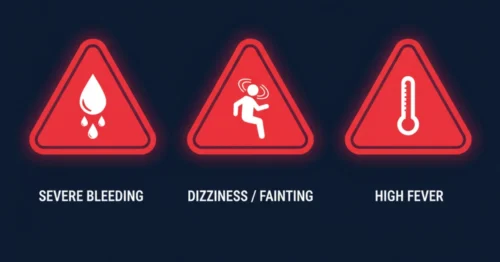
A thrombosed hemorrhoid is painful but not life-threatening. Still, severe pain near the anus is not always a hemorrhoid, and a few warning signs need same-day care.
Go to the ER or call emergency services if you have:
- Heavy bleeding that will not stop, or bleeding with dizziness, lightheadedness, or fainting
- Fever or chills along with worsening pain, swelling, redness, warmth, or pus, which can point to an abscess rather than a simple clot
- Rapidly worsening pain that seems far worse than the lump looks, with spreading redness or dark, discolored skin around the anus or genitals. This is a rare but serious infection, and the risk is higher with diabetes or a weakened immune system
- Trouble passing urine
Call your doctor soon, not necessarily the ER, if:
- The skin over the lump breaks open and drains a little dark or bright blood. This can happen and often eases the pressure, but keep the area clean and get it checked if bleeding continues or signs of infection appear
- You have bleeding that continues after the lump heals, new bleeding with no clear source, abdominal pain, or new constipation. Hemorrhoids are common, but bleeding from colon cancer is often misattributed to hemorrhoids
- Your pain is not improving after about a week of home care
Sitting Comfortably While You Heal
Sitting is often the hardest part of recovery. Get up and move every 30 minutes or so, avoid long stretches on hard seats, and do not linger on the toilet. Our guide to sitting with hemorrhoids at work and in the car has more practical tips.
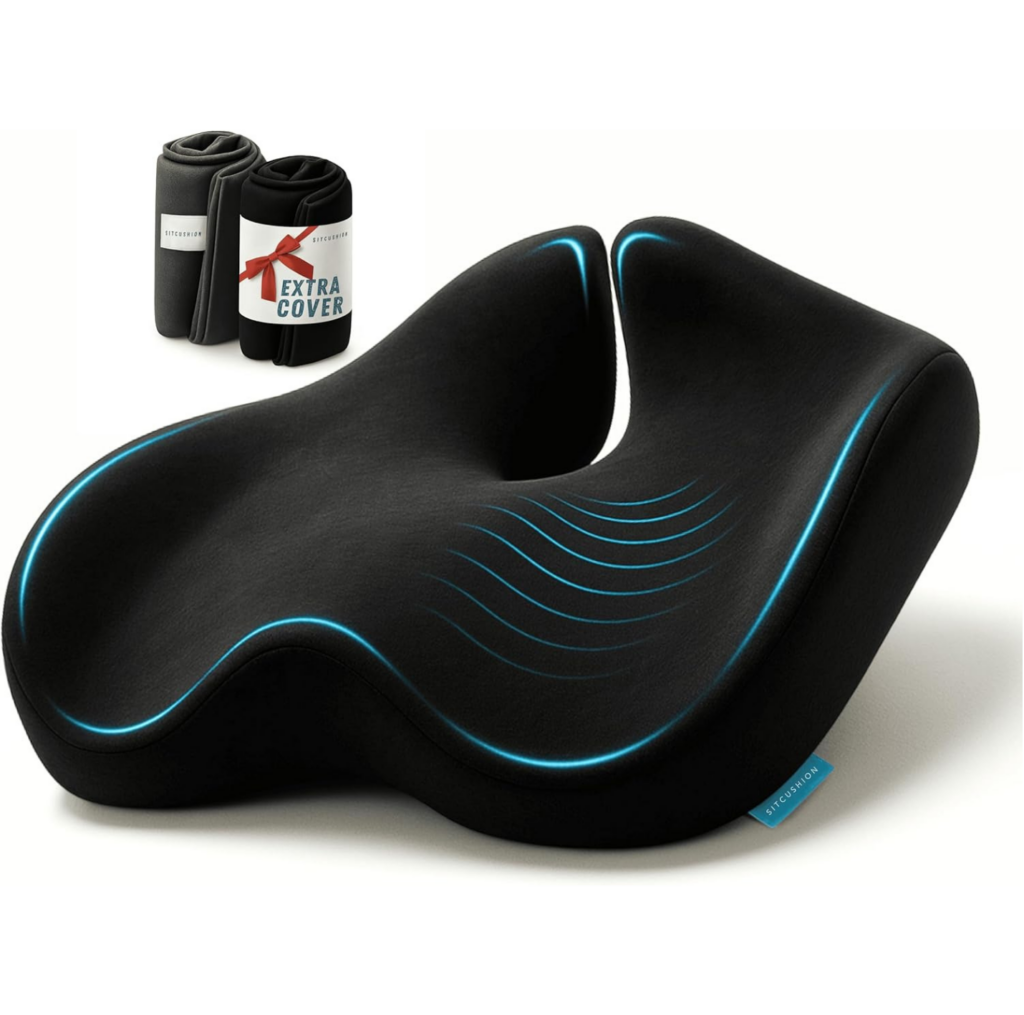
A firm cushion with a cutout can help keep pressure off the tender area. For short stretches during a flare, a donut-style cushion such as our men’s donut cushion or women’s donut cushion is a good fit. For long hours at a desk, a U-shaped memory foam cushion like our office seat cushion is usually more comfortable. Our hemorrhoid cushion comparison helps you choose.
Preventing the Next Flare-Up
Prevention comes down to lowering pressure on the anal veins:
- Keep stools soft with enough fiber and fluids
- Do not strain or sit on the toilet longer than needed
- Stay active and break up long sitting, with gentle exercises that help prevent hemorrhoids
- If episodes keep returning, talk to a doctor about longer-term options
Frequently Asked Questions
How long does a thrombosed hemorrhoid last?
Most thrombosed hemorrhoids heal on their own within two to four weeks, and the pain is usually much better within about a week. Pain typically builds over the first one to two days, stays at its worst until about day three or four, and then eases as the body breaks down the clot. The lump shrinks gradually and can leave a small, painless skin tag. In one retrospective study of 231 patients published in Diseases of the Colon & Rectum, symptoms took about 24 days to resolve with home care, compared with about 4 days after surgical removal.
What is the difference between a thrombosed hemorrhoid and a regular hemorrhoid?
A thrombosed hemorrhoid contains a blood clot, while a regular hemorrhoid is simply a swollen vein. The clot is why it looks and feels different: a firm, bluish-purple lump that appears suddenly and hurts constantly, especially when sitting or walking. An ordinary external hemorrhoid is softer and usually causes itching or mild soreness, and internal hemorrhoids typically cause painless bleeding during bowel movements rather than pain.
Does a thrombosed hemorrhoid need to be removed?
Not always. Most heal without a procedure, and home care is a reasonable first approach. If the pain is severe, a doctor can remove the clot or the hemorrhoid, ideally within the first 72 hours, when relief is fastest. After about three days the clot is already breaking down, so a procedure usually adds less benefit and home care is generally recommended. If severe pain continues after a week, ask a doctor about your options.
Can a thrombosed hemorrhoid burst, and should I pop it?
Yes, the skin over a thrombosed external hemorrhoid can split on its own, releasing the clot and dark blood, and the pain often eases afterward. The bleeding is usually brief. Keep the area clean, use sitz baths, and call a doctor if bleeding is heavy or will not stop, or if you develop fever, pus, or worsening pain. Never cut or squeeze the lump yourself. It risks heavy bleeding, infection, and incomplete removal, and only a clinician should drain it, under sterile conditions with local anesthesia.
Is a thrombosed hemorrhoid dangerous?
No. It is very painful but not life-threatening. The clot forms in a small vein under the skin near the anus, which is a different problem from the deep-vein clots in the legs or pelvis, and it is not a recognized cause of stroke or pulmonary embolism. The real risks come from complications such as infection or an abscess, or bleeding if the skin breaks, which is why the warning signs above matter.
Can urgent care treat a thrombosed hemorrhoid, or do I need the ER?
Urgent care or your doctor’s office is usually enough. Many clinics can examine the lump, confirm the diagnosis, prescribe medication, and remove or drain the clot if you come in within about 72 hours. Save the ER for heavy bleeding, dizziness or fainting, fever with worsening pain and swelling, or trouble passing urine.
Should I use ice or heat for a thrombosed hemorrhoid?
A warm sitz bath is the best-supported first step and can be repeated a few times a day. Some people also find a cold pack wrapped in a cloth helps numb the area for 10 to 15 minutes, but never place ice directly on the skin. Gentle walking is fine and helps keep stools regular, while heavy lifting and straining are best avoided until the pain settles.
Will a thrombosed hemorrhoid come back?
It can, especially if the pressure that caused it continues, such as constipation, straining, or long stretches on the toilet. In the same retrospective study, recurrence was about 25% after home care and about 6% after surgical excision, although that study was not randomized. Keeping stools soft, not lingering on the toilet, and staying active lower the risk. If episodes keep returning, ask a doctor about longer-term options.
The Bottom Line
A thrombosed hemorrhoid is intense but temporary. Start home care early, know the 72-hour window, and watch for the red flags above. For more comfort tips, explore our knowledge center.